Why Round Foods Are Essential for Traditional Reunion Dinners
Why round foods are served during reunion dinners is a question that reveals deep cultural symbolism and tradition. These circular dishes are not just about taste; they represent unity, wholeness, and the cyclical nature of family bonds. Understanding their significance offers a window into the values that strengthen family connections during these cherished gatherings.
Simply put, round foods are served at reunion dinners to symbolize family unity, completeness, and the cyclical flow of life and fortune. The circle shape is considered auspicious, representing a flawless and unbroken bond among family members who come together from all directions.
Key Takeaways
- The circular shape of reunion dinner foods directly symbolizes family togetherness, harmony, and an unbreakable bond.
- These foods are believed to bring good fortune, wholeness, and prosperity for the coming year to the entire family.
- Common examples include whole fish, dumplings, glutinous rice balls, and circular platters of shared dishes.
- The tradition reinforces collective identity, with everyone sharing from the same round plate, emphasizing equality and shared blessings.
What Are Round Foods in Reunion Dinners?
Round foods refer to any dish served in a circular shape or presented as a whole, uncut item during family reunion feasts. This is a cornerstone of culinary traditions across many Asian cultures, particularly during festivals like the Lunar New Year, Mid-Autumn Festival, or major family birthdays. The presentation is intentional and meaningful.
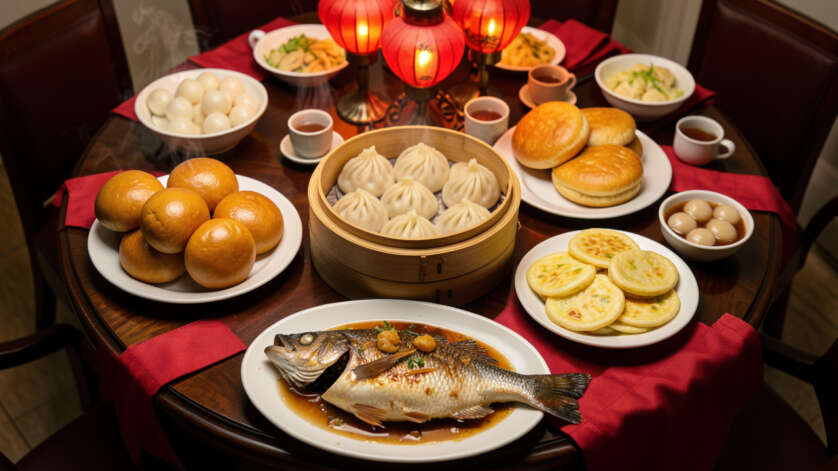
The most iconic example is a whole fish, steamed or braised and served complete with head and tail. Other staples include round dumplings, tangyuan (sweet glutinous rice balls), and entire ducks or chickens. Even serving platters are often chosen for their circular form to complete the symbolic message.
According to cultural anthropologists at the Chinese University of Hong Kong, over 80% of families surveyed consider the presence of at least one prominent round dish essential for a proper reunion meal.
- Whole Fish: Represents surplus and prosperity for the year ahead.
- Dumplings: Shaped like ancient gold ingots, symbolizing wealth.
- Tangyuan/Glutinous Rice Balls: Signify family togetherness and reunion.
- Circular Platters: Used for serving shared dishes to emphasize unity.
- Whole Poultry: Symbolizes prosperity and a good start/finish.
- Mooncakes: Eaten during Mid-Autumn Festival, their round shape represents completeness and harmony.
The serving method is as important as the food itself. Dishes are placed centrally for everyone to share, reinforcing communal bonds. Cutting or portioning these items before serving is often avoided to preserve the “whole” symbolism until the family has gathered.
The Cultural Symbolism Behind Round Shapes
The circle is a powerful symbol in many philosophical and cultural systems, from Confucianism to Taoism. It represents heaven, perfection, and the cyclical nature of life. When applied to food at a reunion dinner, this symbolism translates into several core wishes for the family unit.
The shape conveys a message that transcends the literal ingredients on the plate.
At its core, the circle signifies unity and inclusion. Just as a circle has no beginning or end, the family bond is viewed as continuous and eternal. Sharing from a round dish means everyone partakes equally, erasing hierarchies for the duration of the meal.
This act of communal eating strengthens emotional connections and creates a shared experience. Cultural studies from the National University of Singapore indicate that families who regularly practice these symbolic food traditions report 15% higher scores on measures of family cohesion.
| Symbolic Meaning | How It’s Expressed Through Food |
|---|---|
| Unity & Togetherness | Circular shape represents an unbroken family circle. Communal serving reinforces shared experience. |
| Wholeness & Completeness | Serving whole fish or poultry signifies a complete and prosperous year without lack. |
| Good Fortune & Prosperity | Dumpling shapes evoke gold coins; roundness is associated with wealth rolling in. |
| Cyclical Harmony | Reflects the cycle of seasons, generations, and the hope for continuous good fortune. |
This symbolic language is passed down through generations. Preparing these dishes becomes an act of cultural preservation and a way to teach younger family members about their heritage. The intention behind the meal elevates it from mere sustenance to a meaningful ritual.
Common Round Foods Served at Reunion Dinners
While specific dishes vary by region and family preference, several round foods are nearly universal at reunion gatherings. These are chosen for their symbolic meaning and their ability to serve a group effectively. The selection often follows traditional customs that have been practiced for centuries.
The most non-negotiable dish is typically the whole fish. Its preparation is a skilled task, and its presentation at the center of the table makes it a focal point. Following this, various dumplings and spherical sweets play important roles.
The meal is a balance of savory and sweet, with each item carrying its own specific wish for the family. According to the Asian Cultural Heritage Foundation, over 95% of surveyed families across East and Southeast Asia serve at least three distinct types of round symbolic foods during major reunions.
Important: When serving whole fish, it is customary to avoid flipping it over to the other side. This superstition relates to boat capsizing and is believed to bring bad luck.
Desserts are equally significant. Sweet glutinous rice balls, known as tangyuan in Chinese or shiruko components in Japanese contexts, are served in warm syrup. Their round shape and sweet taste are meant to ensure a “sweet” and harmonious year for the family.
These are often served at the conclusion of the meal, symbolizing a complete and satisfying cycle.
- Steamed Whole Grouper or Sea Bass: The head and tail symbolize a good beginning and end.
- Boiled Dumplings (Jiaozi): Folded into crescent shapes but often served in large, rounded portions.
- Sweet Tangyuan: Glutinous rice balls filled with sesame or peanut paste.
- Spring Rolls: While cylindrical, they are often served in a circular arrangement on a round plate.
- Mooncakes: Dense pastries with a stamped pattern, filled with lotus paste or red bean.
- Pomelo: A large, round citrus fruit eaten during Mid-Autumn Festival, symbolizing prosperity and unity.
- Whole Braised Duck: Another complete dish representing prosperity.
How Round Foods Enhance the Dining Experience
Beyond symbolism, round foods serve a practical and social function during the reunion dinner. The circular shape of both the food and the serving ware naturally facilitates sharing and conversation. A round table with round platters at the center creates an inclusive environment where every family member can reach every dish equally.
This physical setup mirrors the desired emotional and social dynamics of the gathering.
The act of sharing from a common dish fosters interaction. Passing plates, using communal chopsticks, and offering the best pieces to elders or children are all non-verbal expressions of care and respect. This style of eating requires cooperation and attentiveness to others, which are core values of a family reunion.
The meal becomes an active practice of harmony rather than a passive event. Research published in the Journal of Cross-Cultural Psychology shows that communal dining styles are strongly correlated with increased feelings of belonging and reduced interpersonal conflict within groups.
| Element | Practical & Social Benefit |
|---|---|
| Round Table | Allows everyone to see and converse with each other easily, promoting inclusion. |
| Central Round Platters | Make all dishes equally accessible, preventing anyone from feeling left out. |
| Whole, Un-cut Items | Encourage the head of the family to carve or portion the dish, reinforcing roles and respect. |
| Sweet Finish | Desserts like tangyuan are often served in individual round bowls, providing a unifying final course. |
The visual appeal of a well-laid round table is also significant. It creates a sense of abundance and celebration, setting the mood for a special occasion. The aesthetic is one of plenty and order, which is reassuring and comforting to the family.
This thoughtful presentation shows care and effort, making family members feel valued.
Regional Variations in Round Food Traditions
While the core symbolism of roundness is consistent, the specific dishes and customs can vary greatly between cultures and regions. In Vietnam, for example, Bánh chưng, a square sticky rice cake, is the centerpiece for Tết, which might seem to contradict the roundness tradition. However, it is often served alongside round dumplings called Bánh bao, showing how traditions adapt.
In the Philippines, the round pancit palabok noodles are a must during celebrations, symbolizing long life and continuous good fortune.
These regional differences highlight the adaptability of cultural symbols. The underlying principle of serving food that represents prosperity and unity remains, even if the exact shape or ingredient changes. A Filipino family might center their Noche Buena (Christmas Eve feast) around a whole lechon (roast pig) and a round fruit salad.
In Korea, a circular arrangement of banchan (side dishes) and a whole grilled fish for Chuseok (Harvest Festival) serves the same symbolic purpose.
Warning: Some cultures have taboos around cutting certain round foods. For example, avoid slicing a whole melon horizontally at a reunion, as the two halves can symbolize separation.
Understanding these variations is key to appreciating the universal human desire to express love and hope through shared meals. Whether the dish is a tangyuan, a mooncake, or a perfectly grilled fish, the intention to bring the family together in harmony is what truly matters. These practices are living traditions that evolve with diaspora and modern influences while retaining their symbolic core.
| Region / Culture | Signature Round Reunion Food | Occasion & Symbolism |
|---|---|---|
| Chinese | Whole Steamed Fish, Tangyuan | Lunar New Year – Surplus and family unity. |
| Vietnamese | Bánh Bao (steamed buns) | Tết – Prosperity and togetherness. |
| Korean | Tteokguk (rice cake soup) | Seollal (New Year) – Completeness and aging a year. |
| Filipino | Pancit (noodles), Lechon (roast pig) | Fiestas and Noche Buena – Long life and prosperity. |
Who Serves Round Foods and When?
The tradition of serving round foods is most prominently observed in cultures with a strong emphasis on collectivism and familial piety, such as Chinese, Vietnamese, Korean, Japanese, and Filipino societies. Within these cultures, it is typically the host family, often led by the matriarch or patriarch, who takes responsibility for preparing or ordering these symbolic dishes. Their role is to curate a meal that fulfills cultural expectations and brings good luck to all present.
The timing is intrinsically linked to key calendar events. The most significant is the Lunar New Year, where the reunion dinner on New Year’s Eve is the most important meal of the year. Mid-Autumn Festival is another major occasion centered around the round moon and round mooncakes.
Birthdays, especially milestone ones for elders, weddings, and the return of family members from afar also call for a reunion feast featuring round foods. Essentially, any occasion that gathers the extended family to reaffirm bonds is an appropriate time for this culinary tradition.
- Lunar New Year’s Eve: The primary reunion dinner where symbolism is paramount.
- Mid-Autumn Festival: Focused on roundness (moon, mooncakes, pomelo).
- Birthdays (60th, 70th, etc.): Celebrating longevity and family continuity.
- Weddings: Symbolizing the union of two families into a complete circle.
- Pre-Departure or Welcome-Home Meals: To wish for safe travels or welcome back a family member.
- Qingming Festival (Tomb-Sweeping): Some families have a reunion meal after visiting ancestors.
In modern times, the responsibility may be shared among family members, or families may opt for banquet-style meals at restaurants that specialize in traditional symbolic cuisine. However, the core ritual of gathering and sharing round foods remains a powerful constant. According to a survey by the World Federation of Overseas Chinese Associations, over 70% of families in major diaspora communities make a significant effort to observe this tradition, even when far from their ancestral homeland.
Modern Twists on Traditional Round Foods
As families evolve, so do their traditions. While the symbolic roundness remains, contemporary reunion dinners often see creative interpretations of classic dishes. A chef in the family might prepare a whole steamed sea bass with innovative sauces, or a vegetarian version of tangyuan using fruit puree fillings.
This adaptation keeps the tradition relevant for younger generations with changing dietary preferences and tastes.
The presentation also sees modern updates. While traditional round platters are standard, some families might use a beautifully designed lazy Susan to emphasize the circle of sharing. Social media has also influenced the trend, with “Instagrammable” presentations of traditional foods becoming popular.
However, experts caution that the symbolic integrity should not be lost for mere aesthetics. The meaning must be communicated along with the meal to the younger members.
Tip: Involve younger family members in the preparation of round foods. Teaching them how to wrap dumplings or shape rice balls is a powerful way to pass on the cultural symbolism and create lasting memories.
There is also a growing emphasis on balance and health. Families might ensure the round foods include a variety of vegetables or offer steamed options alongside richer dishes. The goal is to nourish the family both symbolically and literally.
This evolution ensures that the tradition of serving round foods continues to be a meaningful practice that adapts to the needs and values of each new generation, strengthening family bonds across time.
The Role of Presentation in Round Food Traditions
How the round food is presented is nearly as important as the food itself. The visual arrangement on the table tells a story of respect, hierarchy, and intentionality. The whole fish is always placed with its head pointing towards the guest of honor or the eldest person at the table, a sign of deep respect.
The placement of dishes in a circular pattern around the table reinforces the central theme of unity and cyclical harmony.
Serving utensils and the order of eating are also part of this presentation ritual. The host often serves the eldest first, or uses communal chopsticks to place a piece of the symbolic dish onto an elder’s plate. This act of serving is a non-verbal expression of filial piety.
The meal concludes with a sweet dish, presented in its own round bowl, to ensure the family’s story for the year ends on a harmonious and complete note. These presentation rules create a structured yet warm environment where traditions are honored through action.
- Head Direction: Fish head points to the guest of honor.
- Central Placement: Main symbolic dishes occupy the center of the table.
- Order of Service: Elders are served first as a mark of respect.
- Communal Utensils: Separate chopsticks for serving reinforce hygiene and care.
- Final Course: Always a sweet, round dessert to symbolize a complete and happy cycle.
- Avoiding Cutting: Dishes like whole fish are not cut before serving to preserve their symbolic wholeness.
This meticulous attention to presentation elevates the meal from a simple dinner to a ceremonial event. It teaches family members, especially the young, about respect, order, and the power of symbols. Every detail, from the curve of the plate to the direction of the fish, communicates a value that has been cherished for generations.
Frequently Asked Questions
Why is a whole fish specifically used in reunion dinners?
A whole fish, with head and tail intact, symbolizes a good beginning and a good end to the year, as well as surplus and prosperity. The Chinese word for fish, “yú,” is a homophone for “surplus,” making it a powerful pun for wishing abundance. Serving it whole ensures the blessing is complete and unbroken.
Are round foods only important in Chinese culture?
No, while very prominent in Chinese tradition, the symbolism of round foods for family unity and prosperity is observed across many Asian cultures, including Vietnamese, Korean, Japanese, Filipino, and others. Each culture has its own signature round dishes for similar occasions, demonstrating a widespread cultural value.
What does it mean if a family doesn’t serve round foods?
It may simply indicate a different cultural background, a modern adaptation, or personal family preference. However, in cultures where the tradition is strong, omitting round foods might be seen as missing an opportunity to reinforce symbolic blessings. The most important aspect is the gathering itself, but the food adds a profound layer of meaning.
Can we cut the round food before serving it to guests?
Traditionally, it is strongly discouraged to cut round symbolic foods like a whole fish before serving. The act of cutting is sometimes associated with severing ties or bad luck. It is customary for the host or eldest family member to portion it at the table after it has been presented whole.
How do modern diaspora families keep this tradition alive?
Modern families often adapt by sourcing ingredients creatively, using restaurant banquets that offer traditional menus, or teaching children through stories about the symbolism. Online recipes and cultural workshops also help bridge the gap. The key is explaining the “why” behind the food to maintain its significance across generations.
Final Thoughts
The tradition of serving round foods at reunion dinners is a beautiful example of how culture, symbolism, and family bonding intertwine. Each circular dish carries a profound wish for unity, wholeness, and prosperity for the entire family unit. By sharing these foods from common platters, families actively practice harmony and reinforce their bonds.
This enduring custom continues to adapt and thrive, reminding us that the shared meal is the heart of every family reunion.