How the Winter Solstice Festival Is Celebrated in China
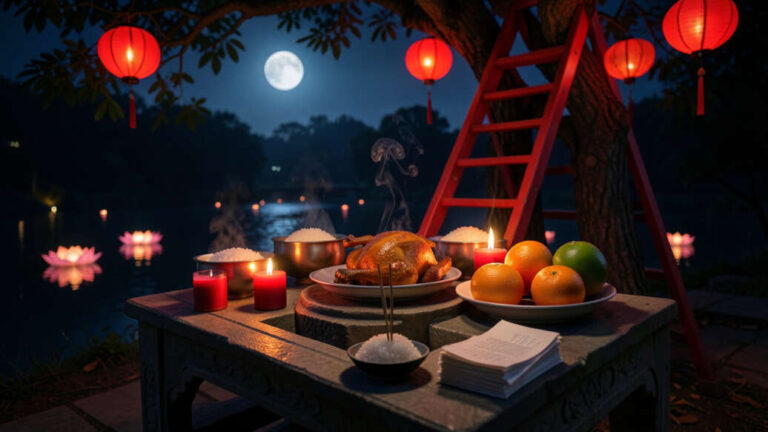
The Winter Solstice Festival, known as Dongzhi (冬至), is one of the most important traditional holidays in China. This ancient celebration marks the shortest day and longest night of the year, a moment of deep cultural and astronomical significance. Families across the country come together to honor traditions that date back thousands of years, blending feasts, rituals, and a shared sense of hope for the returning light.
Simply put, the Winter Solstice Festival in China is a major family reunion holiday centered around a symbolic feast, with specific foods like dumplings in the north and tangyuan in the south, to celebrate the turning point toward longer days and the promise of spring.
Key Takeaways
- The Winter Solstice Festival (Dongzhi) is a major traditional Chinese holiday, historically as important as the Lunar New Year.
- The celebration is deeply rooted in yin-yang philosophy, marking the peak of yin energy and the rebirth of yang.
- Family reunion is central, with specific regional foods being the highlight of the festivities.
- In northern China, eating dumplings (jiaozi) is the primary tradition, while southerners eat sweet glutinous rice balls (tangyuan).
- Modern celebrations continue to emphasize family gatherings and food, though some ancient rituals have faded.
What Is the Winter Solstice Festival in China?
The Winter Solstice Festival is a traditional solar term and festival in the Chinese calendar. It falls around December 21st to 23rd each year. Historically, it was a day for emperors to offer sacrifices to the heavens and ancestors, acknowledging the cosmic shift.
The festival is built on the concept of Yin and Yang, where Yin represents darkness and cold, and Yang represents light and warmth.
The solstice signifies the peak of Yin and the moment when Yang begins to grow again. This transition was seen as a fortunate and auspicious time. It was believed that after the solstice, days would gradually become longer, symbolizing hope and renewal.
The saying “Winter Solstice is as big as the New Year” (冬至大如年) reflects its historical weight and the scale of its celebration.
How Is the Date of Dongzhi Determined?
The date for Dongzhi is determined by the solar calendar, not the lunar calendar. It is one of the 24 solar terms (节气) that guide agricultural activities. Specifically, it occurs when the sun reaches its southernmost point in the sky, known as the Tropic of Capricorn.
This astronomical event results in the shortest period of daylight and the longest night of the year in the Northern Hemisphere.
The traditional Chinese calendar uses a combination of lunar and solar cycles. While many Chinese festivals follow the lunar calendar, the 24 solar terms are based on the sun’s position. This is why the Gregorian date for the Winter Solstice remains relatively consistent each year, typically falling between December 21 and 23.
| Aspect | Detail |
|---|---|
| Astronomical Event | Sun reaches Tropic of Capricorn (23.5° South latitude). |
| Gregorian Date | Typically December 21, 22, or 23. |
| Calendar System | Based on the 24 Solar Terms of the lunisolar Chinese calendar. |
| Cultural Significance | Peak of Yin energy and birth of Yang; a turning point toward spring. |
This table clarifies the fundamental basis of the holiday. It’s not a random date but a calculated point in Earth’s orbit that has held profound meaning for millennia.
Why Is Eating Dumplings a Key Tradition in the North?
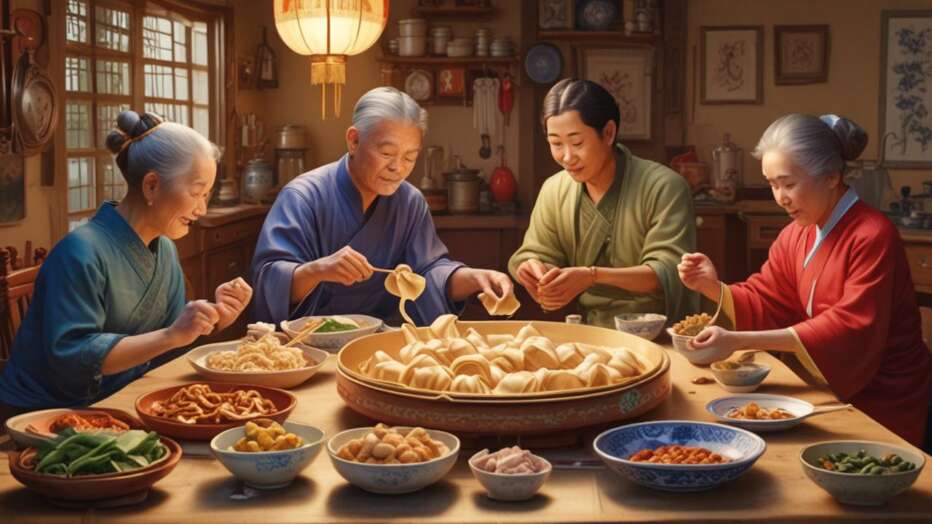
In northern China, the quintessential food for the Winter Solstice is jiaozi (饺子), or dumplings. This tradition is often linked to a story about the physician Zhang Zhongjing from the Eastern Han Dynasty. He saw people suffering from frostbitten ears during the harsh winter and made a medicinal soup with lamb and herbs wrapped in dough, which he called “jiao er” (ear) dumplings.
The locals ate them and were cured, establishing the custom.
Beyond the legend, the shape of dumplings resembles ancient Chinese silver ingots (sycee), symbolizing wealth and prosperity for the coming year. Making dumplings is a communal family activity. Multiple generations gather around a table to prepare the filling, wrap the dumplings, and cook them together, strengthening family bonds.
Warning: For families with members from both northern and southern China, this can lead to the classic “dumplings vs. tangyuan” debate at the dinner table! The key is to respect each region’s tradition.
- Symbolism: Wealth (ingot shape) and health (Zhang Zhongjing’s remedy).
- Communal Activity: Making dumplings together is a core part of the family reunion.
- Timing: Dumplings are typically eaten for lunch on the day of the Winter Solstice.
- Filling Varieties: Common fillings include pork with cabbage, lamb with scallion, and minced chive and egg.
- Regional Saying: “If you don’t eat dumplings on the Winter Solstice, you will freeze off your ears” (冬至不端饺子碗,冻掉耳朵没人管).
What Do Southerners Eat to Celebrate Dongzhi?
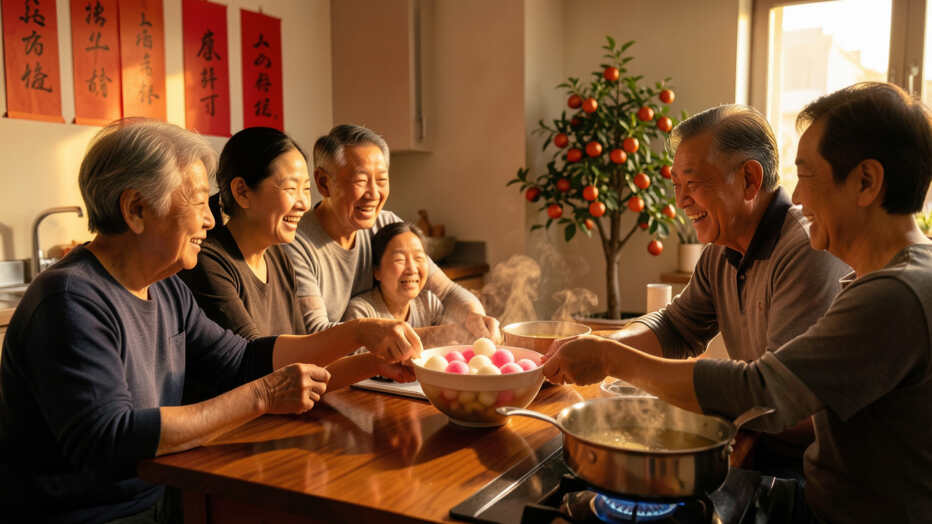
In southern China, the traditional food for the Winter Solstice is tangyuan (汤圆), sweet glutinous rice balls. These round, chewy balls are often filled with black sesame paste, peanut, or red bean paste and served in a warm, sweet soup. The round shape of tangyuan symbolizes reunion (团圆) and completeness, making it a perfect food for a family-centered holiday.
Eating tangyuan expresses the wish for family unity and harmony in the coming year. The sweet taste also symbolizes a sweet and happy life. Like dumpling-making, preparing tangyuan is a fun family activity.
Children especially enjoy rolling the dough into balls and watching them float in the boiling water.
The preference for tangyuan in the south and dumplings in the north highlights China’s rich culinary diversity. These regional variations are a point of cultural pride and friendly rivalry. The core theme of family reunion remains identical, regardless of the specific dish on the table.
How Do Chinese Families Celebrate the Winter Solstice Today?
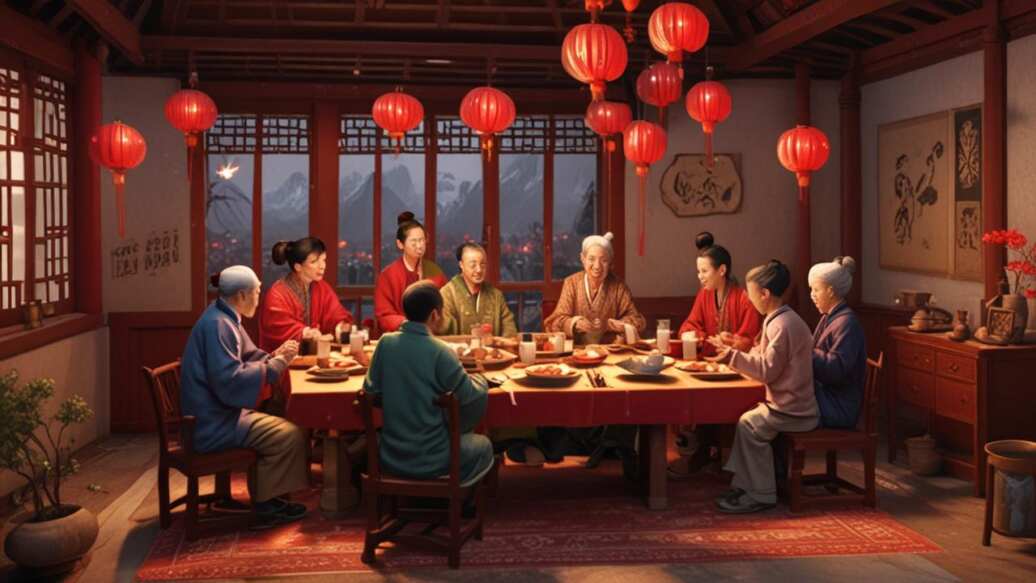
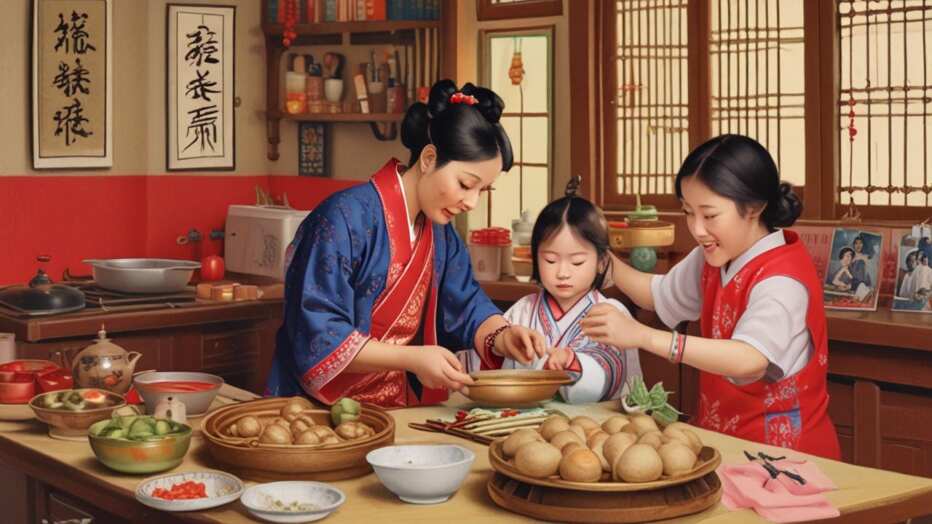
Modern celebrations of the Winter Solstice have evolved but retain their core spirit. The primary focus is on the family reunion meal. In urban areas, while many families still make dumplings or tangyuan from scratch, it’s also common to purchase high-quality frozen versions or even dine out at specialized restaurants.
The key is for the family to be together.
Beyond the feast, other activities vary. Some families may pay respects to ancestors by offering food at a home altar or visiting ancestral graves. In recent years, there has been a renewed interest in the traditional solar terms, with some people practicing practices like moxibustion or eating medicinal foods to nourish the body during the cold season, aligning with traditional Chinese medicine principles.
- Family Reunion Meal: The central event, featuring traditional solstice dishes.
- Exchanging Gifts: Parents and grandparents may give money in red envelopes to children.
- Visiting Relatives: Families visit the homes of elders to pay respects and share a meal.
- Checking the Weather: An old folk belief says the weather on the solstice indicates the weather for the next season.
- Seeking Warmth: Gathering around the table, drinking warm soups, and enjoying the longest night together.
What Are the Differences Between Northern and Southern Celebrations?
The most significant difference between northern and southern China’s Winter Solstice celebrations lies in the food. This regional divide is the most commonly discussed aspect of the holiday. The symbolism behind the foods also subtly differs, reflecting local values and historical contexts.
| Feature | Northern China | Southern China |
|---|---|---|
| Primary Food | Dumplings (Jiaozi) | Sweet Rice Balls (Tangyuan) |
| Symbolism | Wealth (ingot shape), health (folk remedy) | Reunion (round shape), completeness, sweetness |
| Common Saying | “Don’t eat dumplings, freeze your ears.” | “Eat tangyuan to grow a year older.” |
| Flavor Profile | Savory, often with vinegar dip | Sweet, served in sugary soup |
Despite these differences, the underlying purpose is identical: to celebrate family and hope for a prosperous future. The variations are a testament to China’s vast cultural landscape.
What Are Some Traditional Customs and Taboos for Dongzhi?
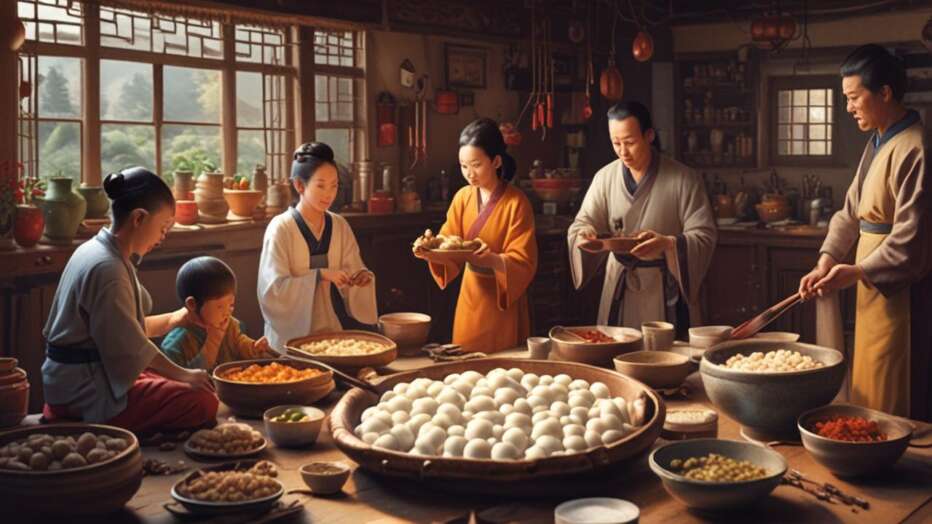
Beyond food, several traditional customs and taboos were associated with the Winter Solstice. While many are less common today, they offer insight into the mindset of past generations. One important custom was the concept of “adding a year” (添岁).
People considered the solstice as a birthday, and everyone got one year older the day after Dongzhi, not on their actual birthday or Lunar New Year.
Taboos often related to ensuring the smooth transition of energy. For instance, it was traditionally advised not to cut down trees on the solstice, as the newly born yang energy should not be disturbed. marital visits and arguments were also discouraged, as the day was meant for harmony and family gathering.
The focus was on conservation and nurturing the nascent warmth.
Important: In some regions, it was believed that the sun’s rays had special healing powers on the solstice. People would sit outside to bask in the weak winter sun for good health.
- Custom – Adding a Year: Age incremented the day after the solstice.
- Custom – Ancestral Worship: Formal rituals by emperors and families to honor heaven and ancestors.
- Taboo – No Marital Visits: Couples were advised not to visit each other’s parents’ homes.
- Taboo – Avoid Quarrels: Arguments were believed to bring bad luck for the coming year.
- Taboo – Do Not Cut Trees: To avoid harming the delicate, newly emerging yang energy.
How Does the Winter Solstice Festival Compare to the Lunar New Year?
Historically, the Winter Solstice held a status comparable to the Lunar New Year (Spring Festival). In some ancient dynasties, officials were given days off to celebrate Dongzhi, similar to New Year holidays. Both are family reunion festivals centered on a large, symbolic meal.
They also both involve paying respects to ancestors.
However, there are key differences in scale and modern practice. The Lunar New Year is now the undisputed biggest holiday in China, involving a week-long national vacation, massive travel rushes, firecrackers, and elaborate decorations. The Winter Solstice is a one-day holiday (though not a public one) with a quieter, more intimate focus.
The celebration is more localized and food-centric, lacking the grand public festivities of the New Year.
Who Should Learn About and Appreciate the Dongzhi Festival?
This festival is fascinating for anyone interested in Chinese culture, philosophy, or culinary traditions. It offers a direct window into ancient cosmological beliefs (Yin-Yang theory) and how they permeate daily life. For travelers, understanding Dongzhi provides context if visiting China in late December and explains why certain dishes are popular seasonally.
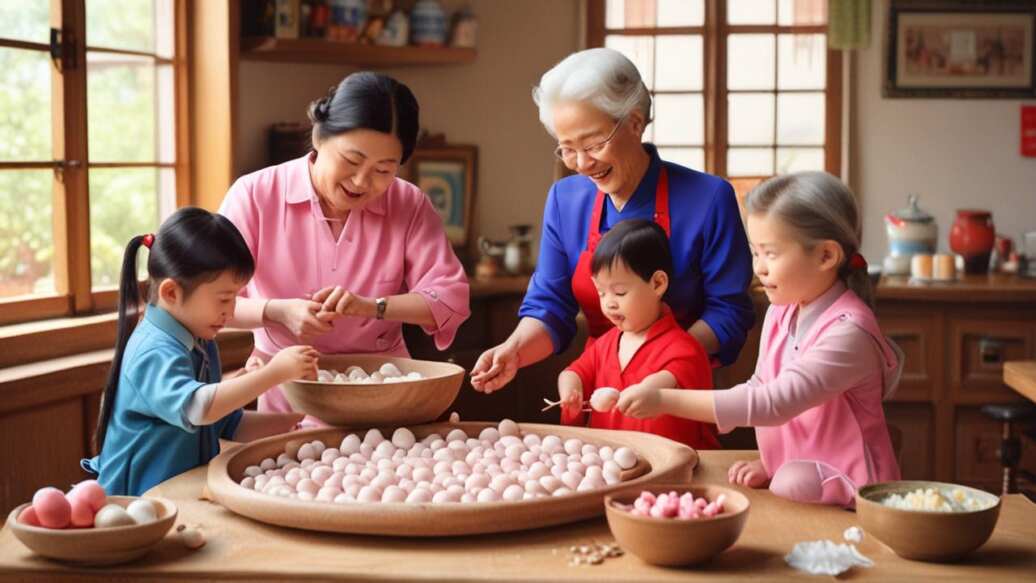
Chinese people living abroad often maintain the tradition of making dumplings or tangyuan as a way to stay connected to their heritage. It serves as a comforting, tangible link to home and family. For chefs and food enthusiasts, it presents an opportunity to explore regional Chinese cuisine beyond the standard restaurant fare.
- Cultural Enthusiasts: To understand the blend of astronomy, philosophy, and daily life in Chinese culture.
- Food Lovers: To explore iconic regional dishes and the stories behind them.
- Students of History: To see how an ancient solar term evolved into a living festival.
- Expatriates & Travelers: To connect with locals and partake in a genuine cultural experience.
- Families: To adopt a meaningful tradition centered around cooking and reunion.
Frequently Asked Questions
What is the meaning of “Winter Solstice is as big as the New Year”?
This saying (“冬至大如年”) reflects the immense historical importance of the Winter Solstice. In ancient China, the festival was celebrated with such grandeur, including official holidays and imperial ceremonies, that its significance was considered equal to that of the Lunar New Year. It underscored the day’s cosmic and social importance.
Is the Winter Solstice Festival a public holiday in China?
No, the Winter Solstice is not an official public holiday in modern China. People celebrate by taking time off work or school to prepare for and attend the family reunion meal. However, in some historical periods and dynasties, it was a recognized holiday with days off.
Why do people eat dumplings on the Winter Solstice in the north?
The tradition stems from a folk story about the physician Zhang Zhongjing, who made medicinal dumplings to cure people’s frostbitten ears. The dumpling’s shape also resembles ancient ingots, symbolizing wealth and prosperity for the coming year.
What are tangyuan made of?
Tangyuan are sweet dumplings made from glutinous rice flour. They are typically filled with sweet pastes like black sesame, peanut, or red bean, then rolled into balls and boiled. They are served in a warm, sweet soup, sometimes with added ingredients like fermented rice wine.
How do modern Chinese families celebrate the Winter Solstice?
Modern celebrations focus on the family reunion meal featuring either dumplings (north) or tangyuan (south). While some traditional rituals have faded, the core activities of gathering, cooking together, and eating symbolic food remain very strong. Many families also visit relatives and exchange gifts.
Final Thoughts
The Winter Solstice Festival beautifully encapsulates the harmony between nature and human life in Chinese philosophy. From its astronomical roots to the comforting regional dishes on family tables, it is a celebration of turning points and togetherness. Whether through the savory bite of a northern dumpling or the sweet warmth of a southern tangyuan, the festival delivers a timeless message of hope, health, and reunion as the light begins to return.