
Chinese New Year Greetings and Meanings for Every Occasion
Learning the right Chinese New Year greetings shows respect for an ancient tradition and helps you connect with friends, family, and colleagues. Knowing what each phrase means goes beyond simple words, conveying specific hopes for health, prosperity, and happiness in the coming year. This guide breaks down the most important greetings, their pronunciations, and the cultural context behind them.
Simply put, Chinese New Year greetings, or 祝贺词 (zhùhè cí), are specific phrases used to wish someone good fortune, health, and prosperity for the Lunar New Year. The most universal is “Xīnnián kuàilè” (新年快乐), meaning “Happy New Year.” Using them correctly demonstrates cultural awareness and respect during this important festival.
Key Takeaways
- Chinese New Year greetings are phrases of blessing, not just casual holiday wishes, deeply tied to hopes for the coming year.
- The most common Chinese New Year greetings include wishes for happiness (快乐), prosperity (发财), and good health (健康).
- Proper timing and recipient matter; some greetings are for elders, while others are for business associates or friends.
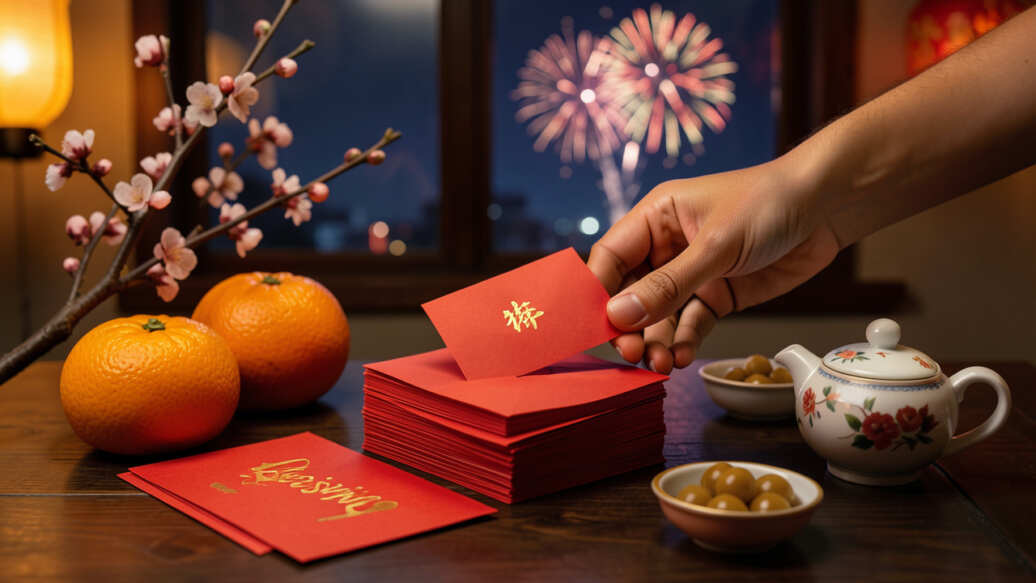
- Red envelopes (红包, hóngbāo) are often given alongside verbal Chinese New Year greetings, symbolizing good luck.
- Understanding the meaning behind the phrases allows you to offer more personal and meaningful wishes.

What Are the Most Common Chinese New Year Greetings?
The core of Lunar New Year celebrations involves exchanging verbal blessings. These greetings are formulas of goodwill, often rhyming or using auspicious words. The phrase “Xīnnián kuàilè” is the standard “Happy New Year” and works for almost anyone.
Another universal phrase is “Wàn shì rú yì” (万事如意), which means “May everything go as you wish.” It’s a versatile blessing applicable to all aspects of life. For older relatives, you might say “Shēntǐ jiànkāng” (身体健康), wishing them good health, which is paramount for elders.
- Xīnnián kuàilè (新年快乐): Happy New Year – The standard, safe greeting for everyone.
- Wàn shì rú yì (万事如意): May all go well with you – A wish for everything to go smoothly.
- Xīn chūn kuài lè (新春快乐): Happy Spring Festival – Another way to say Happy New Year, emphasizing the spring festival.
- Shēntǐ jiànkāng (身体健康): Wishing you good health – Essential for elders and those you care about deeply.
- Hearty Congratulations: Gōngxǐ (恭喜): This is the classic exclamatory “Congratulations!” often paired with other phrases.
These greetings form the foundation of your New Year interactions. Using them shows you’ve made an effort to participate in the culture meaningfully.
How Do You Wish Someone Prosperity and Wealth?
Wealth and fortune are central themes during Chinese New Year. The iconic greeting for this is “Gōngxǐ fācái” (恭喜发财), which literally translates to “Congratulations and may you be prosperous.” It’s the most famous phrase, especially in business contexts and among Cantonese speakers.
Another popular phrase is “Cái yuán guǎng jìn” (财源广进), meaning “May wealth flow in from all sides.” This is a more poetic way to wish for abundant financial luck. When handing someone a red envelope, you might say this to accompany the gift.
| Greeting (Pinyin) | Literal Meaning | Best Used For |
|---|---|---|
| Gōngxǐ fācái (恭喜发财) | Congratulations and be prosperous | Friends, colleagues, business partners |
| Cái yuán guǎng jìn (财源广进) | May wealth flow in widely | Business owners, family members |
| Shēng yì xīng lóng (生意兴隆) | May your business be prosperous | Specifically for entrepreneurs/shop owners |
| Nián nián yǒu yú (年年有余) | Surplus year after year | General, implies abundance beyond needs |
This table shows the nuances between wealth-related greetings. Choosing the right one depends on your relationship with the person and their specific hopes for the year.
Important: The phrase “Gōngxǐ fācái” has become a global symbol of Chinese New Year. Even non-Mandarin speakers use it, though its pronunciation may vary by dialect.
What Greeting Should You Use for Elders and Family?
When addressing elders, the focus shifts from wealth to health, longevity, and family harmony. Respect is demonstrated through specific, deferential phrases. A standard greeting like “Happy New Year” is fine, but adding a dedicated blessing for health is highly appreciated.
“Shēntǐ jiànkāng” (身体健康) remains the top choice for wishing elders good health. You can combine it with a wish for longevity: “Fú rú dōng hǎi” (福如东海), meaning “May your fortune be as vast as the Eastern Sea.” This is a classic, poetic blessing for senior family members.
- Shēntǐ jiànkāng (身体健康): Always prioritize this when speaking to grandparents, parents, or elderly relatives.
- Hé jiā huān lè (合家欢乐): Wishing harmony and happiness for the whole family. Perfect for the family patriarch or matriarch.
- Lǎo dāng yì zhuàng (老当益壮): A respectful phrase meaning “May you be hale and hearty in old age.” Use with deep respect for very senior individuals.
- Fú shòu shuāng quán (福寿双全): Blessing for both fortune and longevity. A very comprehensive and traditional wish.
When giving a red envelope to elders, present it with both hands and use one of these phrases. The gesture and words together convey profound respect and filial piety.

How Do You Wish a Child or Young Person?
Greetings for children are playful and often revolve around growth, happiness, and success in studies. The most common phrase is “Xué yè yǒu chéng” (学业有成), which means “May you succeed in your studies.” This reflects the cultural emphasis on education.
Another cheerful wish is “Kāi xīn kuài lè” (开心快乐), simply meaning “Be happy and joyful.” For babies experiencing their first New Year, you might wish them to grow up healthy and strong: “Kuài kuài zhǎng dà” (快快长大).
- Xué yè yǒu chéng (学业有成): Academic success – Perfect for school-aged children and teenagers.
- Shēntǐ jiàn kāng, kuài lè chéng zhǎng (身体健康, 快乐成长): Good health and happy growth – A warm wish for younger children.
- Cōng míng líng lì (聪明伶俐): Wishing for cleverness and agility – A classic compliment and blessing for kids.
Children also receive red envelopes (压岁钱, yāsuì qián, “money to suppress age”) from elders. The accompanying blessing is for them to be safe and sound throughout the year.
What Are the Best Greetings for Business and Colleagues?
In professional settings, the greetings center on career advancement and business success. “Xīn chūn kuài lè” (新春快乐) is a safe, formal start. The classic “Gōngxǐ fācái” is perfectly appropriate and widely used in workplaces.
More specific business wishes include “Shì yè yǒu chéng” (事业有成), meaning “May your career be successful.” For partners or clients, “Hé zuò yú kuài” (合作愉快) wishes for a pleasant and profitable collaboration in the coming year.
Tip: In professional settings, it’s common to pair a verbal greeting with a small gift or a red envelope (for subordinates or junior partners). This combination of words and gesture strengthens professional bonds.
A table summarizes the best professional greetings:
| Scenario | Recommended Greeting | Pinyin & Meaning |
|---|---|---|
| General Colleague | Happy New Year & Prosperity | Xīnnián kuàilè, gōngxǐ fācái |
| Your Boss or Senior | Career success and good health | Shì yè yǒu chéng, shēntǐ jiànkāng |
| Business Client/Partner | Prosperous business & pleasant cooperation | Shēng yì xīng lóng, hé zuò yú kuài |
| Team/Department | Everything goes as wished & united progress | Wàn shì rú yì, tuán jié jìn qǔ |
Using the correct professional greeting shows you understand business etiquette and value the relationship.
How Do You Respond When Someone Greets You?
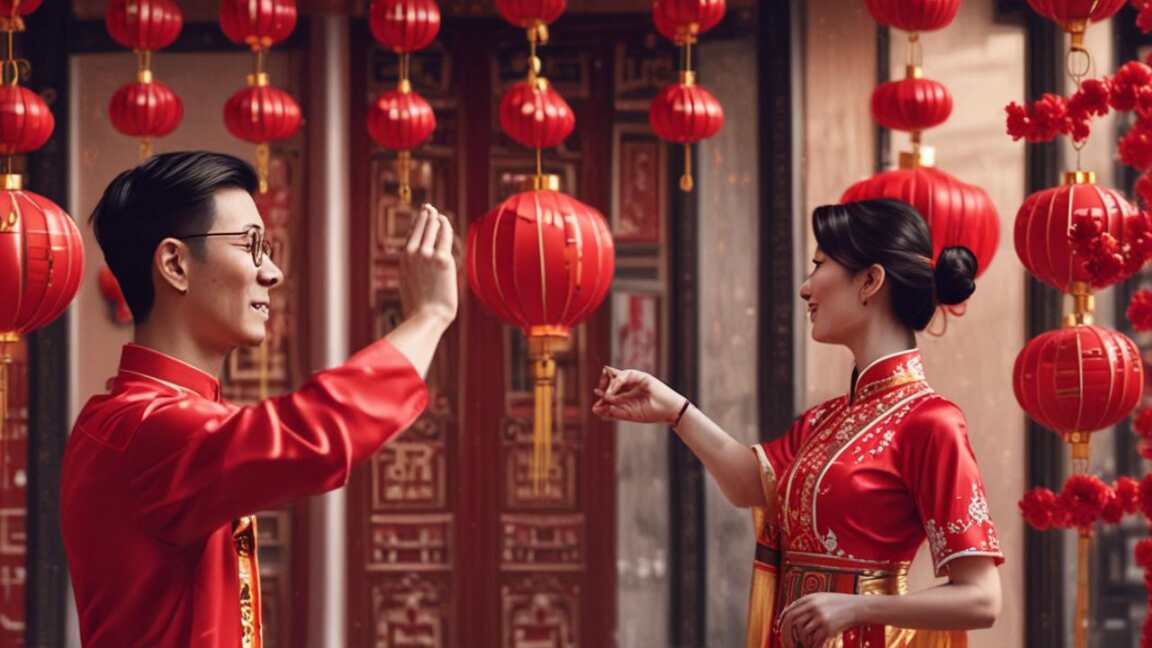
Knowing how to reply is just as important as knowing how to greet. A common and polite response is to repeat a portion of the greeting back or offer a reciprocal blessing. If someone says “Gōngxǐ fācái,” you can reply with “Gōngxǐ fācái” as well, or add “Nǐ yě yī yàng” (你也一样), meaning “Same to you.”
The most standard response to any general greeting is “Xīnnián kuàilè” (Happy New Year) back to them. This is always correct and friendly. If someone wishes you health, you can say “Xièxiè” (谢谢, Thank you) and return a general blessing like “Wàn shì rú yì.”
- To “Xīnnián kuàilè”: Reply with “Xīnnián kuàilè!” or “Nǐ yě yī yàng!” (Same to you!).
- To “Gōngxǐ fācái”: Reply with “Gōngxǐ fācái!” or “Hóngbāo ná lái!” (Give me a red envelope!) as a playful joke among close friends.
- To a health wish like “Shēntǐ jiànkāng”: Reply with “Xièxiè! Nǐ yě yī yàng!” (Thank you! Same to you!).
- General polite response: Simply smile, nod, and say “Xièxiè” (Thank you) if you’re unsure.
The key is to smile and respond in kind. The exchange is about sharing goodwill, so any polite attempt is appreciated.
What Are Some Written Greetings and Digital Messages?
In the digital age, Chinese New Year greetings are widely sent via text, WeChat, and email. Written messages can be more elaborate. A common structure is to start with a standard greeting, add a personalized wish, and end with a closing blessing.
A typical digital message might read: “亲爱的, 新春快乐!祝您和家人在新的一年里身体健康,万事如意,恭喜发财!” (Dear , Happy Spring Festival! Wishing you and your family good health, everything going well, and prosperity in the new year!). Using the recipient’s name makes it personal.
- Formal/Elegant: “值此新春佳节,谨祝您阖家幸福,事业蒸蒸日上。” (On this auspicious Spring Festival, I wish your whole family happiness and your career ever more prosperous.)
- Casual/Friendly: “新年快乐!吃好喝好,红包拿来!” (Happy New Year! Eat well, drink well, and give me a red envelope!) – Use only with very close friends.
- Humorous (for close friends): “祝你新的一年:脱贫脱单不脱发,暴富暴瘦不暴躁!” (Wishing you in the new year: escape poverty and singledom but not hair loss; get rich and thin but not short-tempered!)
Adding an emoji like 🧧 (red envelope) or 🐉 (dragon, for the Year of the Dragon) can add a festive digital touch.
What Are Common Mistakes to Avoid with Greetings?
Even with good intentions, some missteps can occur. The most significant mistake is using the wrong tone or phrase for the relationship. Using an overly casual joke with a business partner or an elder can cause offense.
Stick to respectful phrases unless you are 100% sure of the social context.
Another mistake is ignoring the holiday altogether. In cultures that celebrate Chinese New Year, skipping a greeting can be seen as a sign of neglect or disrespect. Even a simple “Happy New Year” goes a long way.
Also, avoid giving gifts or red envelopes with the number 4, as it sounds like the word for “death” in Chinese.
Warning: Do not wish someone a “Happy New Year” before the actual New Year’s Day unless they are celebrating early. It’s more timely to send greetings on the day itself or during the 15-day festival period.
Focus on sincerity. Your effort to use the correct phrase and show respect is what matters most to the recipient.
Frequently Asked Questions
Is “Gōngxǐ fācái” (恭喜发财) used everywhere?
While “Gōngxǐ fācái” is globally recognized, it is most strongly associated with Cantonese culture and regions. In northern China, phrases like “Xīnnián kuàilè” are more common. However, due to media and globalization, “Gōngxǐ fācái” is understood and appreciated widely across all Chinese-speaking communities.
What does “Xīnnián kuàilè” (新年快乐) actually mean?
“Xīnnián kuàilè” is the direct and literal translation of “Happy New Year.” “Xīn” (新) means new, “nián” (年) means year, and “kuàilè” (快乐) means happy or joyful. It is the most standard and versatile greeting you can use for the Lunar New Year.
Can I use these greetings for people of other cultures?
Absolutely. Offering a traditional greeting to someone during their cultural celebration is a sign of respect and friendliness. Most people appreciate the effort.
If you’re unsure, “Xīnnián kuàilè” is a safe and cheerful phrase to use with anyone celebrating Chinese New Year.
What is the difference between “Xīnnián kuàilè” and “Xīn chūn kuài lè”?
Both mean “Happy New Year,” but “Xīn chūn kuài lè” (新春快乐) specifically references the “Spring Festival,” which is another name for Chinese New Year. “Xīnnián kuàilè” is more generic and can be used for any new year, while “Xīn chūn kuài lè” is more seasonally specific to the Lunar New Year.
When should I start saying “Happy Chinese New Year”?
The greetings are most appropriate from the eve of Chinese New Year through the 15-day festival period. It is common to begin exchanging greetings on New Year’s Eve during the reunion dinner and continue throughout the celebration. Sending a message a day or two before the holiday is also perfectly acceptable.
Final Thoughts
Using the correct Chinese New Year greetings transforms a simple wish into a meaningful cultural exchange. Whether you say “Gōngxǐ fācái” for prosperity, “Shēntǐ jiànkāng” for health, or “Xīnnián kuàilè” for general happiness, your words carry the weight of tradition and goodwill. Remember to pair your greeting with a smile and, when appropriate, a red envelope.
Embracing these phrases shows respect and helps foster deeper connections during this vibrant festival.