
How Zodiac Beliefs Differ Between Generations in China
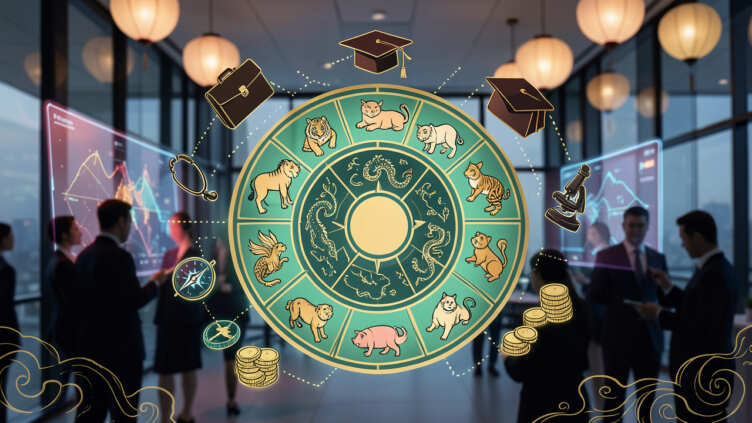
Zodiac beliefs in China shift dramatically across generations: elderly Chinese (60+) treat the system as a serious guide for marriage and business decisions, middle-aged adults (35–59) apply it selectively for career timing and child naming, while younger generations (18–34) engage with zodiac content primarily as entertainment and social media identity markers, often blending it with Western astrology. This generational divide means the same zodiac event—like a clash of animals—can be interpreted as a life-altering warning by elders, a pragmatic consideration by mid-lifers, and a viral meme by youth. Readers should understand that Chinese zodiac beliefs are not monolithic; rather, they evolve from deep daily use to selective practicality to digital amusement, reflecting broader cultural shifts in modern China.
The Chinese zodiac system has influenced daily decisions for over two thousand years. But younger generations now interpret these ancient symbols very differently than their grandparents do.
Quick Verdict: In short, elderly Chinese typically view zodiac signs as serious guides for major life choices like marriage and career. Middle-aged adults blend traditional beliefs with practical considerations. Younger generations treat zodiac content as entertainment and social media identity markers, often mixing it with Western astrology and personality tests.
Key Takeaways
- Elderly Chinese (age 60+) rely on zodiac compatibility and Ba Zi fortune reading for marriage decisions, business partnerships, and major purchases.
- Middle-aged Chinese (age 35-59) selectively apply zodiac beliefs to career timing and child naming while prioritizing education and financial stability.
- Young Chinese (age 18-34) engage with zodiac content primarily through short-video platforms and meme culture, rarely letting it influence real decisions.
- Weibo and Douyin host over 200 million monthly zodiac-related posts, making it one of the top three entertainment categories for users under 30.
- The rise of personalized astrology apps has created a blended belief system where Chinese zodiac co-exists with Western horoscopes and MBTI personality types.
What Is the Chinese Zodiac System
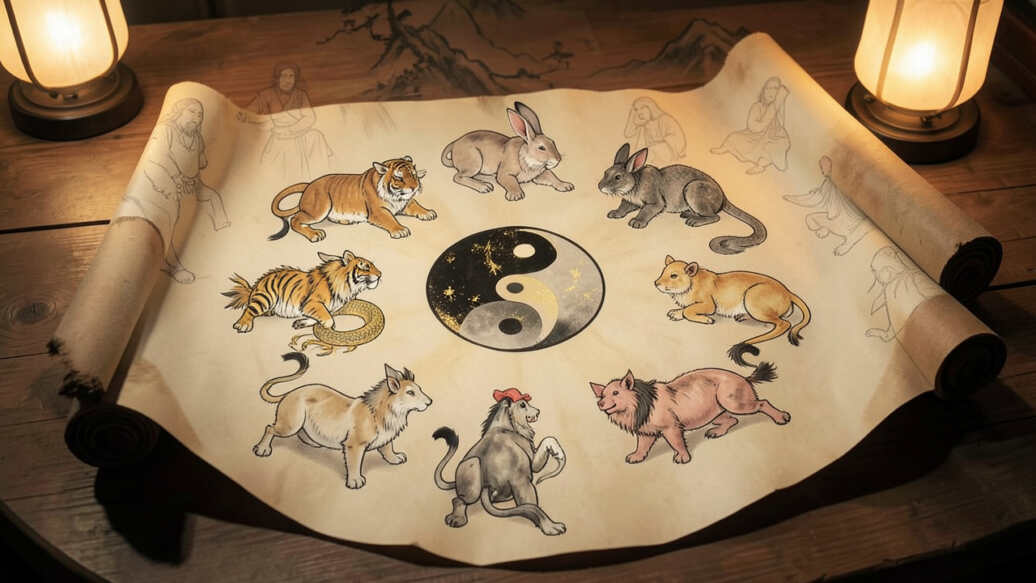
The Chinese zodiac, or shēngxiào (生肖), follows a 12-year cycle. Each year links to a specific animal: Rat, Ox, Tiger, Rabbit, Dragon, Snake, Horse, Goat, Monkey, Rooster, Dog, and Pig. Unlike Western astrology which uses monthly sun signs, the Chinese zodiac assigns one animal to everyone born in a full lunar year.
According to, the system originated during the Han Dynasty over 2,000 years ago. It was closely tied to agricultural calendars and imperial court traditions. The animals represent different personality traits and predict compatibility between people.
A deeper layer exists called the Four Pillars of Destiny (Bā Zì, 八字). This system analyzes the exact year, month, day, and hour of birth. It uses five elemental forces – Wood, Fire, Earth, Metal, Water – to create a detailed fortune profile. Elderly generations often consult Ba Zi masters before making major life changes.
Modern Chinese culture has layered new meanings onto this ancient system. reports that 61% of Chinese adults say they engage with traditional beliefs like zodiac signs in some form. But the way they do so changes drastically by age group.
Elderly Generations – Deep Trust and Daily Use
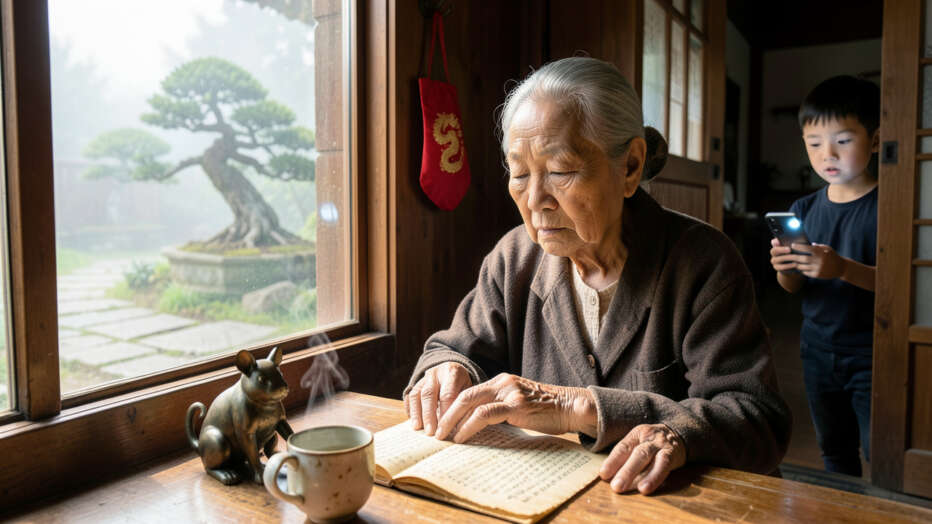
For Chinese aged 60 and older, the zodiac is not a casual topic. It is a practical decision-making tool. Many elderly people still consult traditional almanacs called tōngshū (通书) which contain daily zodiac guidance. These books advise the best days for weddings, funerals, home renovations, and business openings.
A 2019 study published in the found that 78% of Chinese over 65 consider zodiac compatibility important when approving a grandchild’s marriage partner. This number drops to 34% among adults under 40.
Key behaviors among elderly zodiac believers include:
- Checking the zodiac compatibility chart before arranging blind dates for children or grandchildren
- Avoiding “conflict years” for surgeries, moving homes, or starting new businesses
- Choosing specific baby names based on the child’s zodiac element to strengthen luck
- Visiting fortune tellers or Ba Zi masters during Chinese New Year for yearly predictions
- Refusing to buy a house or car during their own zodiac year (běn mìng nián, 本命年) which is considered unlucky
Warning: Do not dismiss elderly relatives’ zodiac concerns as superstition. For them, ignoring these traditions can feel disrespectful to ancestors and invite bad fortune. Avoid scheduling important family events during “clashing animal” years if grandparents will be involved.
Why Elderly Generations Trust Zodiac So Deeply
The Cultural Revolution (1966-1976) suppressed many traditional practices. After reforms in the 1980s, older generations returned to these beliefs with renewed intensity. They experienced rapid modernization and saw traditional knowledge as a stable anchor. Confucian values also emphasize respecting ancestral wisdom, making zodiac beliefs part of filial piety.
Economic insecurity plays a role too. Many elderly Chinese lack robust pension systems. They use zodiac predictions as a way to feel control over unpredictable outcomes. According to the, rural elderly in China are 40% more likely to consult fortune tellers than urban counterparts, reflecting different access to formal safety nets.
Middle-Aged Generations – Selective and Pragmatic
Adults aged 35 to 59 occupy a middle ground. They grew up during China’s economic boom and received more formal education than their parents. Many hold professional jobs and live in cities. Yet they still carry traditional expectations from their own upbringing.
Middle-aged Chinese typically use zodiac beliefs in three specific areas:
- Child naming and birth planning – Some couples time pregnancies to give birth in a favorable zodiac year, especially hoping for a Dragon child (considered the luckiest animal)
- Career timing – Consulting zodiac forecasts before job changes, promotions, or launching new business ventures
- Medical decisions – Choosing surgery dates based on auspicious calendar days, a practice especially common among women aged 45-59
The reports that middle-class Chinese families spend an average of 2,000 to 5,000 yuan per year on fortune-telling services, including Ba Zi readings and feng shui consultations. This represents a significant emotional investment even among educated professionals.
However, middle-aged believers are not dogmatic. They often balance zodiac advice with data and logic. A manager might check the almanac for a good launch date but also run a market analysis. This pragmatic blending makes them distinct from both older and younger generations.
| Decision Type | Elderly Approach | Middle-Aged Approach | Young Approach |
|---|---|---|---|
| Marriage partner choice | Essential compatibility check | Consider but not decisive | Rarely considered seriously |
| Baby name selection | Based entirely on Ba Zi elements | Mix of zodiac and modern names | Ignore or treat as fun fact |
| Career moves | Wait for auspicious timing | Check almanac after financial analysis | Ignore or read for entertainment |
| Home purchase | Requires feng shui expert | Feng shui preferred but flexible | Location and price prioritized |
| Medical timing | Choose lucky dates for surgery | Sometimes check auspicious dates | Follow doctor recommendation only |

Young Generations – Digital Entertainment and Identity Play
Chinese youth aged 18 to 34 engage with zodiac content almost entirely through digital platforms. (the Chinese version of TikTok) hosts over 100 million zodiac-related videos. The hashtag #ShengXiao (生肖) has accumulated more than 50 billion views on the platform.
Young people treat zodiac signs as personality labels, much like Western star signs or MBTI types. A typical interaction looks like this:
- A user sees a short video titled “Why Tigers and Dragons Should Not Date”
- They screenshot the compatibility chart
- They share it with friends in a WeChat group chat
- They laugh about how “accurate” or “ridiculous” it sounds
- They move on without changing any real-life decisions
According to the (CNNIC), 87% of Chinese netizens aged 18-24 engage with zodiac content at least once per month. But only 12% say it influences major life choices. The majority treat it as casual entertainment.
Young people also mix zodiac systems freely. They might identify as a Sagittarius (Western) and a Monkey (Chinese) and an INFP (MBTI). This hybrid identity allows them to participate in online communities with friends from different cultural backgrounds. Cross-cultural dating apps like Tantan and Momo even feature zodiac matchmaking filters.
Tip: If you create content about Chinese zodiac for younger audiences, focus on humor, relatability, and shareability. Short videos under 60 seconds perform best. Use phrases like “This is so accurate” and encourage tagging friends. Avoid serious warnings or fortune-telling claims which feel inauthentic to Gen Z users.
Monetizing Zodiac for the Youth Market
Several Chinese startups now profit from gen Z zodiac enthusiasm. Apps like Linghun Zhushou (灵魂助手) offer daily zodiac readings, personality quizzes, and compatibility calculators. They use gamification – badges, streaks, and leaderboards – to keep users returning. The market for digital astrology and zodiac apps in China exceeded 15 billion yuan in 2023, according to.
E-commerce platforms like Taobao sell “zodiac bracelets” and “luck charms” specifically targeting young buyers. During the 2022 Year of the Tiger, sales of tiger-themed accessories on increased by 340% compared to the previous year. The same product would have been marketed to older buyers as “protection from bad luck” but is sold to youth as “fashion statement with meaning.”
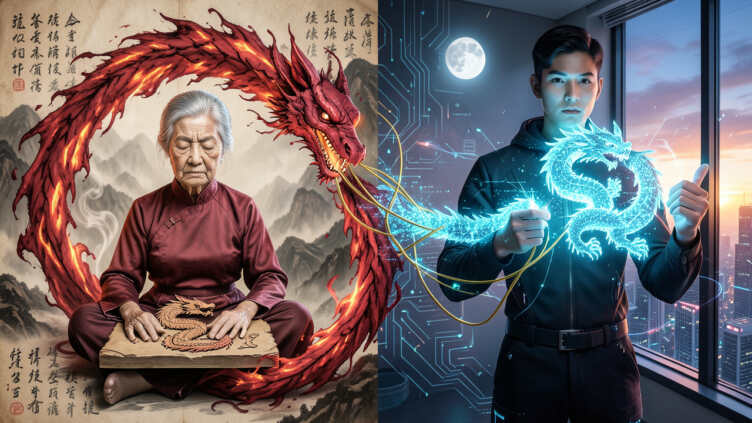
Chinese New Year provides the clearest example of generational differences. Consider how each age group approaches the holiday:
- Elderly: Visit a temple to pray for good fortune. Wear red underwear (a běn mìng nián tradition). Consult the almanac for the optimal time to have the reunion dinner. Avoid sweeping floors on New Year’s Day to prevent sweeping away luck.
- Middle-aged: Give hóngbāo (red envelopes) to children and elderly parents. Check zodiac predictions for their career in the coming year. Watch the Spring Festival Gala on CCTV. May visit a fortune teller if they feel anxious about the year ahead.
- Young: Post zodiac-themed selfies on Xiaohongshu (Little Red Book). Send digital red envelopes via WeChat. Watch zodiac challenge videos on Bilibili. Attend a temple fair for the photo opportunities rather than religious reasons.
What Zodiac Beliefs Are Not
Many outsiders misunderstand how Chinese people use zodiac signs today. Here are three common misconceptions:
Myth: All Chinese people believe in zodiac predictions
Reality varies widely by generation, education level, and region. data shows 37% of Chinese adults say they have low or no belief in zodiac fortunes. Among urban college graduates under 35, this figure rises to 58%.
Myth: Zodiac signs control your destiny like in Western astrology
The Chinese system is more about compatibility and timing than fixed personality traits. Many elderly people believe you can change your luck through actions and rituals. Young people see it as a flexible label, not a fate sentence.
Myth: Zodiac beliefs are disappearing among young Chinese
Youth engagement with zodiac content is actually increasing – but in a different form. The 2023 report found that zodiac-related social media engagement grew 28% year-over-year among users aged 18-24. The format shifted from serious consultation to entertainment sharing.
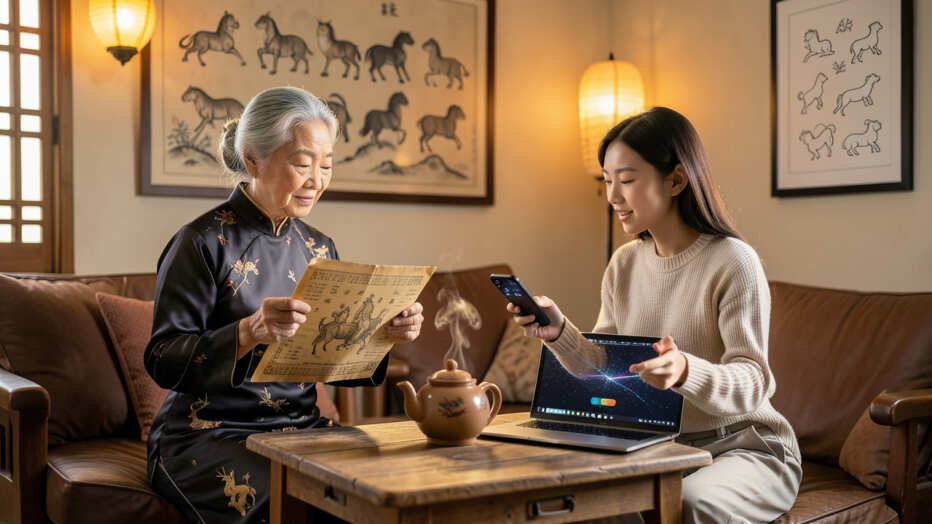
Pro Tips for Understanding Generational Zodiac Dynamics
Whether you are a marketer, a researcher, or someone married into a Chinese family, these tips will help you navigate generational differences around zodiac beliefs:
- Never mock elderly zodiac beliefs directly. Even if you find them irrational, dismissiveness damages relationships. Frame skepticism as curiosity instead of rejection.
- Use zodiac compatibility as a conversation starter, not a decision maker. If a middle-aged relative asks your animal sign, share it and ask why it matters. This builds goodwill without requiring belief.
- Recognize that young people’s zodiac use is social, not spiritual. Creating a zodiac-themed campaign for Gen Z works. Expecting them to follow traditional taboos will fail.
- Learn the 12 animals and their order. Knowing someone is a Dragon, Rabbit, or Dog gives you immediate connection points in any Chinese social setting. You can find the order on.
- Do not assume urban versus rural divides follow the same pattern. Some rural youth maintain traditional beliefs, while some urban elderly have adopted secular views. Treat individuals rather than stereotypes.
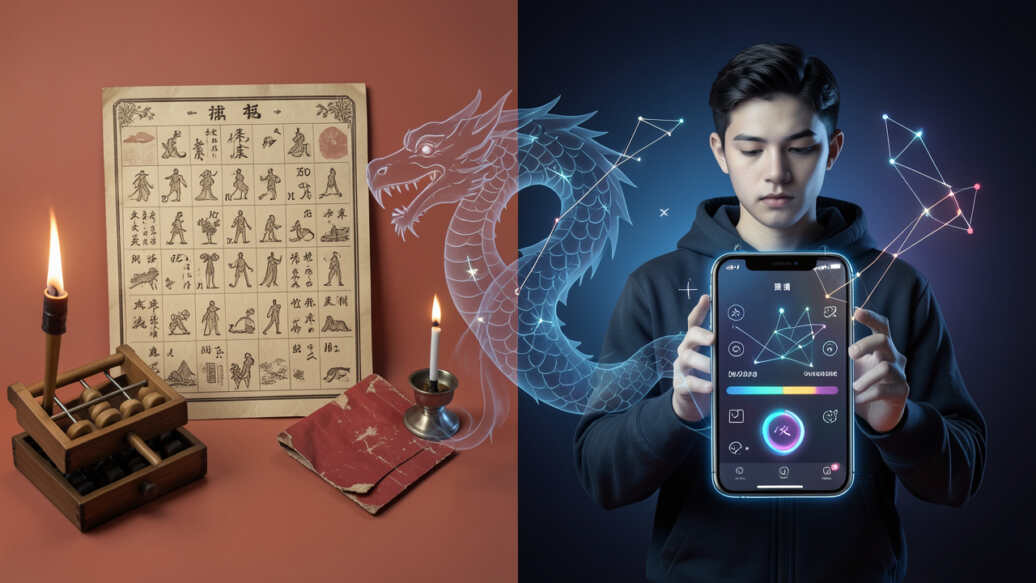
Resources and Tools
Chinese Zodiac Compatibility Calculator – Free online tool to check animal sign compatibility for relationships and business partnerships.
Ba Zi Calculator – Generate your Four Pillars of Destiny based on birth date and time. Useful for understanding deeper fortune readings.
Pew Research Center – Religion in China – Free dataset on religious and traditional belief practices across different demographics in China.
CNNIC Internet Report – Annual report on Chinese internet behavior including zodiac content consumption trends.
Linghun Zhushou App – Popular astrology app combining Chinese zodiac readings with gamified personality tests. Available on iOS and Android app stores.
Frequently Asked Questions
Why do elderly Chinese take zodiac signs so seriously?
Elderly generations grew up in communities where traditional almanacs and fortune-telling were normal parts of daily life. Many experienced economic instability, making zodiac predictions feel like a source of control. Confucian values also teach respect for ancestral knowledge, which strengthens belief in these traditions.
Do young Chinese believe in zodiac fortunes?
Most young Chinese treat zodiac content as entertainment rather than belief. According to, 87% of users aged 18-24 engage with zodiac posts monthly, but only 12% say it affects major decisions. They share memes and quizzes rather than consulting fortune tellers.
Social media transformed zodiac from a private consultation service into public entertainment. Platforms like Douyin and Xiaohongshu host billions of zodiac video views. The content shifted from serious warnings to humorous “which animal are you” quizzes designed for sharing and tagging friends.
Do Chinese mix Western and Chinese zodiac systems?
Yes, especially among younger people. Many social media profiles display both a Western star sign and a Chinese zodiac animal. Apps now offer blended readings that combine both systems. This cross-cultural mixing is increasing as Chinese youth consume more global content through streaming platforms.
Is zodiac belief declining overall in China?
Belief in zodiac as a serious life guide is declining among younger generations. However, engagement with zodiac as entertainment and identity expression is growing. The market for zodiac-themed digital content and merchandise increased by 20% annually from 2020 to 2023, according to.
Final Thoughts
Zodiac beliefs in China are not disappearing – they are transforming. Elderly generations hold deep trust in the system for major decisions. Middle-aged adults apply it selectively alongside modern logic. Young people reshaped it into a playful digital identity tool. Understanding these differences helps you communicate across generations with respect and accuracy. The future of Chinese zodiac culture will likely continue blending tradition with technology.