
Why Some Couples Time Pregnancy Around Zodiac Years
Some couples intentionally time pregnancy around zodiac years because they believe the child's birth sign will influence personality, luck, and future success, a practice especially prevalent in East Asian cultures where the Year of the Dragon is highly sought after. This planning often involves tracking conception windows to align with specific Lunar New Year cycles or Western astrological signs, reflecting deep-rooted cultural traditions and personal beliefs about astrology. The key takeaway is that this behavior, while not scientifically supported, significantly impacts birth rate patterns and family planning decisions in communities that value zodiac-based auspiciousness.
Some couples plan pregnancy to align with specific zodiac years. This practice appears in both Western and Eastern cultures, with some parents believing a child’s birth sign influences personality and fortune.
Quick Verdict: Couples time pregnancy around zodiac years because they believe the child’s birth sign will bring good luck, success, or specific personality traits. This is most common in East Asian communities where Lunar New Year cycles determine the Chinese zodiac. In Western contexts, some parents aim for signs like Leo or Virgo for perceived advantages.
This practice is not new. It shows how ancient beliefs about astrology still influence modern family planning. To understand why some couples time pregnancy around zodiac years, we need to look at cultural traditions, personal beliefs, and even birth rate patterns.
Key Takeaways
- Couples in East Asian countries, especially China, South Korea, and Vietnam, actively plan births during auspicious zodiac years like the Year of the Dragon.
- In Western cultures, some parents use astrology to choose birth months for specific sun signs, though this is less common than Eastern zodiac-based planning.
- Government data shows measurable birth rate spikes during Dragon years in multiple East Asian countries, with increases of 5-15% compared to other years.
- The practice is driven by cultural beliefs in astrology’s influence on a child’s future success, health, and personality traits.
- Medical professionals caution that strict timing can add stress and may lead to fertility treatment delays, but overall the trend reflects deep-rooted cultural values.

Why Do Couples Plan Pregnancy Around Zodiac Years?
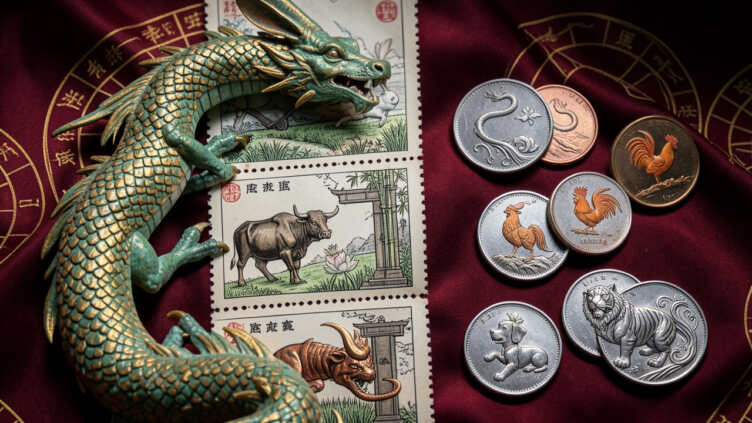
The reasons are both cultural and personal. In East Asian cultures, the Chinese zodiac assigns an animal to each year in a 12-year cycle. Each animal is believed to bestow specific characteristics. The Dragon, for example, symbolizes power, success, and courage. Many parents want a “Dragon baby” to give their child a head start in life.
According to, about 29% of Americans believe in astrology, and a smaller subset actively uses it for life decisions. In East Asia, belief rates are often higher. A 2019 study from the University of Hong Kong found that 85% of couples in one survey would consider zodiac timing for pregnancy if it were easy to do.
Some couples also believe that a specific zodiac sign will complement their own sign or the sign of existing children. This idea of “astrological compatibility” extends to parent-child relationships. Others simply see it as a fun tradition that gives their child a special identity.
Important: The motivations behind zodiac pregnancy timing range from deep cultural belief to mild superstition. For many, it is a way to feel more connected to heritage and family traditions.
Why some couples time pregnancy around zodiac years also involves social pressure. In communities where Dragon babies are prized, having a child in that year can bring status and pride. Grandparents may encourage the timing. This social influence is a powerful driver.

The Most Popular Zodiac Years for Baby Timing
The Chinese zodiac’s 12 animals cycle through Rat, Ox, Tiger, Rabbit, Dragon, Snake, Horse, Goat, Monkey, Rooster, Dog, and Pig. Some years are far more popular than others for having babies. The Dragon consistently tops the list. The following table shows approximate birth rate patterns based on data from multiple East Asian countries.
| Zodiac Animal | Perceived Traits | Popularity for Births | Notable Birth Rate Change |
|---|---|---|---|
| Dragon | Powerful, lucky, confident | Very high | 5-15% increase over previous year |
| Horse | Free-spirited, energetic | High | 3-8% increase |
| Rabbit | Gentle, quiet, artistic | Moderate | Small or no change |
| Rooster | Hardworking, punctual | Moderate | Little to no spike |
| Tiger | Brave, competitive | Moderate | 2-5% increase |
The Dragon is the clear winner. In 2012 (the last Dragon year), China reported a 13% rise in births compared to the previous year, according to data. Similar patterns appeared in Hong Kong, Taiwan, and Singapore. In South Korea, the 2024 Dragon year is already expected to increase birth rates modestly.
Western zodiac does not create such dramatic spikes. However, some parents in the U.S. and Europe aim for specific sun signs. For example, some believe Leos are natural leaders and Virgos are intelligent. A 2020 survey by found that 27% of Americans who believe in astrology have considered a partner’s or child’s sign when making life decisions.

Cultural Roots and Global Spread
The practice is deeply rooted in Chinese culture, where the zodiac is part of the lunar calendar. The Chinese zodiac is tied to the Earthly Branches and has been used for centuries to predict fortune. Families traditionally consult astrologers for marriage dates, business launches, and baby planning.
In Vietnam, the zodiac is similar but uses a cat instead of a rabbit. The Dragon is also highly revered. In Japan, the Chinese zodiac is also used, though the boar replaces the pig. The trend is global because of diaspora communities. Immigrant families carry these traditions to the United States, Canada, Australia, and Europe.
Western astrology, based on the tropical zodiac, has also influenced baby planning. Some parents hope for a child born under a “water sign” like Pisces for creativity, or “earth sign” like Capricorn for diligence. The difference is that Western sun signs change monthly, making timing simpler but less culturally intense.
Warning: Trying to conceive during a specific month can increase emotional pressure. If fertility issues exist, strict zodiac timing may delay seeking medical help. Always consult a doctor before making family planning decisions based on astrology.
Social media has amplified the trend. Parents share their “Dragon baby” announcements proudly. Hashtags like #DragonBaby and #ZodiacBaby trend on platforms like Instagram and TikTok. This visibility encourages others to try the same.

How Do Couples Actually Time Pregnancy?
Timing requires planning conception so the baby is born after the Chinese New Year (which falls between January 21 and February 20). For a Dragon year, a couple needs to conceive approximately 9 months before the new year starts. For example, the Dragon year 2024 began on February 10. To have a Dragon baby, conception had to occur around May to June 2023.
- Calculate the target birth window. Couples identify the zodiac year dates and subtract 9 months to find the ideal conception window.
- Track ovulation. Many use ovulation predictor kits or fertility apps to pinpoint their most fertile days within that window.
- Consider lifestyle adjustments. Some couples try to reduce stress, improve diet, and take prenatal vitamins during the planning months.
- Seek medical help if needed. If natural conception fails, some couples time fertility treatments like IUI or IVF to align with the zodiac calendar.
- Adjust for early or late delivery. Premature or overdue babies may fall into a different zodiac year. Couples accept this risk.
In countries where assisted reproductive technology is available, some couples specifically request embryo transfers in certain months to ensure the baby’s sign. For instance, a couple wanting a Dragon baby might schedule an IVF transfer so the due date falls after the Lunar New Year.
Tip: If you are considering zodiac timing, start planning at least 12-18 months ahead. This gives you time to conceive naturally and accounts for possible delays.

What Science Says About Zodiac-Based Planning
Scientific research does not support the idea that zodiac signs determine personality or life outcomes. However, scientists do study the social and demographic effects of the practice. A study published in the Journal of Population Economics (2023) found that Dragon-born children in China had higher test scores and college entrance rates. But the researchers attributed this to parental investment and social expectations, not the sign itself.
Another study from the showed that Dragon babies in China had higher birth weights and more resources because parents planned better. This suggests that the act of planning itself – not the zodiac – leads to positive outcomes.
From a fertility standpoint, there is no medical reason to favor one birth season over another. However, some studies show that babies born in summer months may have slightly different developmental risks due to sunlight exposure. But these effects are small and unrelated to zodiac.
Why some couples time pregnancy around zodiac years despite lack of scientific evidence comes down to belief, tradition, and community reinforcement. The benefits they perceive are real to them even if not measurable by science.
Common Myths vs Facts
This topic has several misconceptions. Here are three common myths and the facts behind them.
- Myth: Zodiac timing guarantees a child will have those traits. Fact: There is no scientific evidence that a baby’s personality is influenced by their birth date beyond the effects of season of birth on early development. Culture and family environment play much larger roles.
- Myth: Only Chinese families practice this. Fact: While most common in East Asia, parents in Western countries also time births for zodiac signs. Astrology-based baby planning appears in various cultures around the world.
- Myth: You can easily plan for an exact zodiac sign. Fact: Natural conception has only about 20-30% success per cycle. Even with timing, many babies are born early or late, changing their sign. It is far from guaranteed.
Frequently Asked Questions
What is the most popular Chinese zodiac year for babies?
The Dragon year is the most sought after. It happens every 12 years and is associated with power, wealth, and success. Birth rates typically rise 10-15% during Dragon years in China and neighboring countries.
How far in advance do couples start planning?
Many couples start planning 6-12 months before the desired birth window. They often begin tracking ovulation and making lifestyle changes about 3-6 months before trying to conceive.
Does zodiac timing work with IVF (in vitro fertilization)?
Yes. Some fertility clinics report that patients request embryo transfers in specific months to align with a zodiac sign. This is especially common in East Asian countries where the practice is culturally accepted.
Are there any health risks with zodiac-based pregnancy timing?
No direct physical risks. However, if couples delay trying to conceive to wait for a specific zodiac year, they may lose valuable time if they have underlying fertility issues. It is best to start trying early and not hold out for a perfect year.
Can a baby change zodiac sign if born early or late?
Yes. If a baby is born before the Lunar New Year, they take the sign of the previous year. For Western zodiac, the sun moves from one sign to the next around the 20th of each month, so a due date baby can easily be a different sign if delivery is early or late.
Final Thoughts
Planning pregnancy around zodiac years reflects deep cultural beliefs and the desire to give a child a positive start. Dragon years see major birth spikes, especially in Asia. While science does not support astrological claims, the practice continues to thrive because of tradition and community. If you choose to time a pregnancy this way, do so with realistic expectations and medical advice.