
The Meaning of Wind and Water in Feng Shui Philosophy
In Feng Shui philosophy, wind symbolizes the invisible, moving energy known as chi that influences mood, focus, and relationships, while water represents the accumulation and storage of energy essential for wealth, abundance, and stability. These two forces work together to balance living spaces, with wind carrying and dispersing chi and water collecting and anchoring it for sustained well-being. Understanding this dynamic provides a practical foundation for arranging environments to enhance health, prosperity, and harmony, directly linking the practice's name to its core purpose.
Feng Shui is an ancient Chinese practice that studies how your surroundings affect your well-being. This guide explains the meaning of wind and water in feng shui philosophy and how these two forces shape every aspect of this living tradition.
Quick Verdict: In short, wind and water are the two fundamental forces that give Feng Shui its name and its purpose. Wind represents energy that moves and changes. Water represents energy that collects and sustains. Together they form the foundation of a practice that balances living spaces to improve health, wealth, and harmony.
Key Takeaways
- Feng Shui translates directly to “wind-water” from Chinese, and these two elements form the entire philosophical basis of the practice.
- Wind represents invisible energy (chi) that flows through spaces and influences your mood, focus, and relationships.
- Water symbolizes the accumulation and storage of energy, making it essential for wealth, abundance, and stability in a space.
- The balance between wind and water determines whether a home or office supports or drains the people who use it.
- Modern research supports several core feng shui principles, including the effects of room layout on stress levels and productivity.

What Do Wind and Water Symbolize in Feng Shui?
The Chinese characters for Feng Shui tell you everything you need to know. Feng means wind. Shui means water. These two words capture the entire philosophy in a single term.
Wind represents movement, change, and the invisible flow of energy. In feng shui, wind carries chi through your home and your life. When wind moves gently, chi flows smoothly. When wind is blocked or chaotic, chi becomes stagnant or disruptive.
According to the, the concept of chi in feng shui predates written Chinese history and forms the core of traditional Chinese cosmology. Chi is the life force that connects everything.
Water represents collection, storage, and nourishment. Water holds energy in place. It reflects and amplifies the energy around it. In feng shui, water is associated with wealth, prosperity, and emotional calm.
Important: The relationship between wind and water is not fixed. They are dynamic forces that must be balanced. Too much wind creates chaos and instability. Too much water creates stagnation and heaviness. The goal is harmony between the two.
How Do Wind and Water Work Together in Feng Shui Practice?
Feng shui practitioners look at how wind and water interact in a space. This interaction determines whether a location supports or harms the people who live there.
Wind energy enters through doors, windows, hallways, and open areas. It moves quickly and changes direction. You can manage wind energy by controlling airflow, using screens or plants, and creating gentle curves instead of sharp angles.
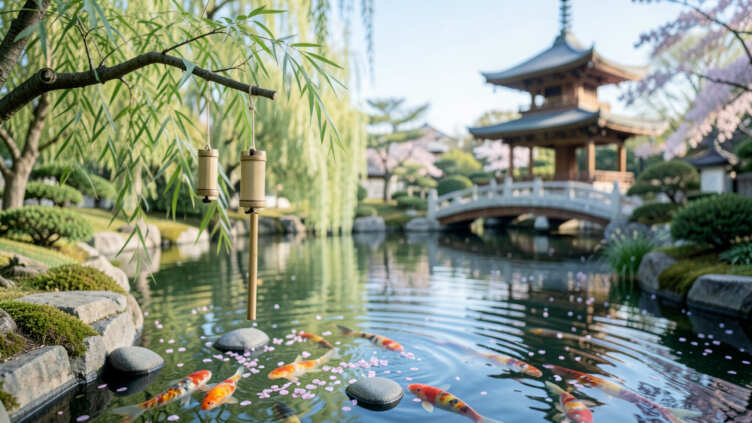
Water energy collects in specific areas. Kitchens, bathrooms, gardens with ponds, and even the placement of a water fountain affect water energy. You can manage water energy by keeping water features clean, placing them in the right bagua area, and using mirrors to reflect light and energy.
Warning: Placing a water feature in the wrong location can drain your energy instead of enhancing it. For example, a fountain directly outside your bedroom window can disrupt sleep by creating excessive water energy that overwhelms the room.
According to, homes with balanced feng shui principles often spend less time on the market. Staging professionals increasingly use feng shui concepts to help homes feel more open, calm, and inviting.
What Are the Main Schools of Feng Shui?
Feng shui has two primary schools of thought. Each school interprets wind and water differently.
| Feature | Form School | Compass School |
|---|---|---|
| Core Focus | Visible landscape and physical forms | Directional energy and compass calculations |
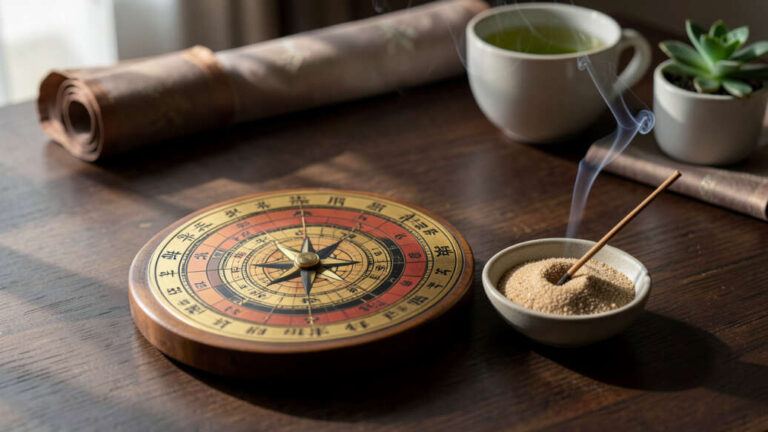
| Primary Tool | Observation of terrain, buildings, and nature | Luopan compass and bagua energy map |
| Wind and Water Role | Wind shapes land; water defines boundaries | Wind moves chi across directions; water stores chi |
| Best For | Choosing a home location or landscape design | Fine-tuning room layouts and interior spaces |
The Form School is older and more intuitive. It focuses on what you can see with your eyes. A house backed by a hill with a stream in front is a classic Form School example of balanced wind and water.
The Compass School is more technical. It uses the bagua, a map of eight areas that correspond to different life aspects. Each area has a direction, an element, and a specific type of energy. Wind and water interact differently in each bagua zone.
Who Benefits From Applying Feng Shui Principles?
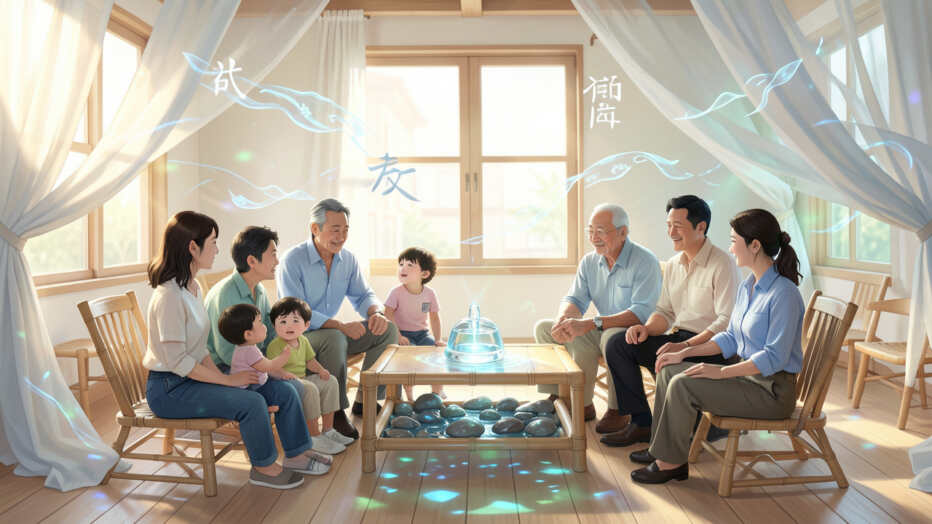
Anyone can benefit from understanding how wind and water affect their surroundings. Some groups find feng shui especially useful.
Homeowners use feng shui to create spaces that feel safe, restful, and supportive. They adjust furniture placement, choose colors based on the five elements, and manage the flow of natural light and air.
Business owners apply feng shui to offices and retail spaces. According to the, many successful companies use feng shui principles to improve employee productivity and customer satisfaction. The commanding position for a desk is one of the most common adjustments.
Renters and apartment dwellers use feng shui to make small spaces feel larger and more balanced. Since they cannot change the structure, they focus on furniture arrangement, color choices, and the placement of mirrors and plants.
Architects and interior designers study feng shui to create buildings that feel naturally balanced. The recognizes feng shui as a valid design philosophy that influences how people experience spaces.
Tip: You do not need to follow every feng shui rule to benefit from it. Start with one room. Adjust the placement of your bed, desk, or sofa to face the door without being directly in line with it. This simple change improves your sense of control and safety.
How to Start Applying Wind and Water Principles at Home
You do not need to hire a professional to start working with wind and water energy. Small changes make a big difference.
- Clear the clutter. Stagnant chi builds up around unused objects. Remove anything broken, expired, or unused. This clears the path for wind energy to flow through your home.
- Open the windows. Wind energy needs to move. Open windows for at least ten minutes each day to let fresh chi in and stale chi out. This is one of the simplest feng shui practices.
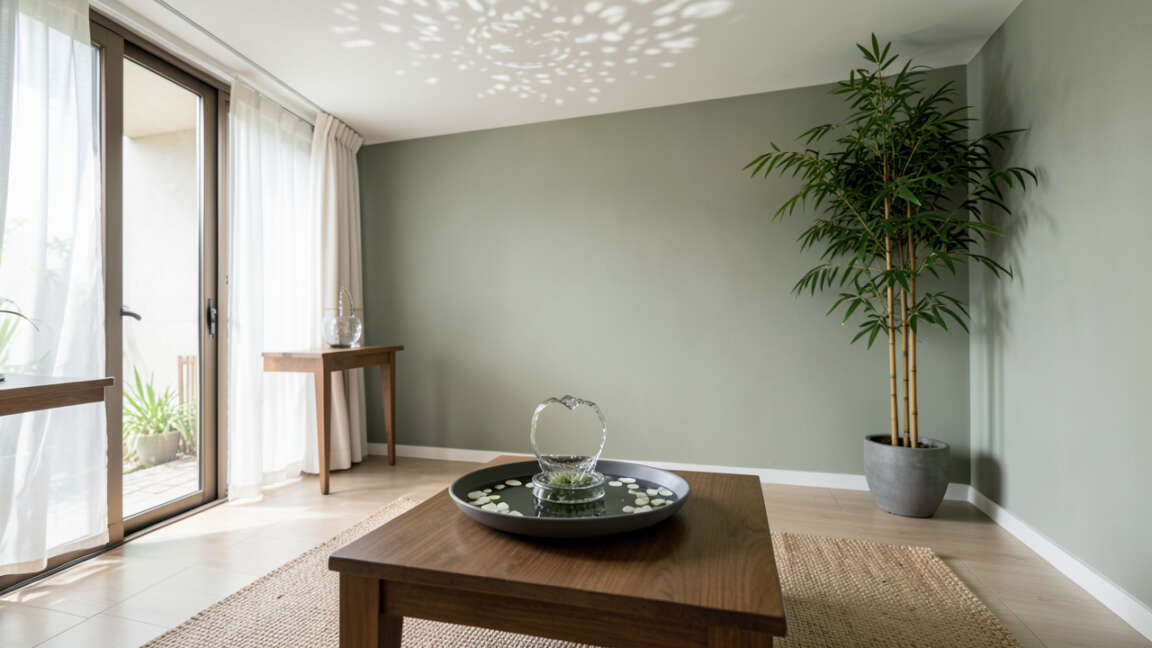
- Add a water feature. A small tabletop fountain in the wealth or career area of your bagua map attracts positive water energy. Keep the water clean and moving gently. Stagnant water creates stagnant energy.
- Use the commanding position. Place your bed, desk, and stove so you can see the door without being directly in front of it. This gives you a sense of control and safety. It is one of the most powerful feng shui adjustments.
- Balance the five elements. Wind and water are two of the five elements in feng shui. The others are wood, fire, and earth. Use a mix of materials like wood furniture, metal objects, earth-toned rugs, and a small candle to balance all five.
Important: The bagua map is the primary tool for applying wind and water principles. You can find free printable bagua maps online from reputable feng shui resources. Align the bottom of the map with your front door wall. Each section of the map shows what type of energy belongs in that area of your home.
According to, room layout directly affects cognitive function and emotional state. Clear pathways, natural light, and visible exits all contribute to a sense of order and calm. These findings align closely with traditional feng shui principles.
What Does the Five Elements System Have to Do With Wind and Water?
The five elements system is a framework that organizes how different types of energy interact. Wind and water fit into this system in specific ways.
Water is one of the five elements. It represents wisdom, stillness, and depth. In the cycle of elements, water nourishes wood, controls fire, and is controlled by earth. Wind energy is associated with the wood element because wind moves through trees and plants.
The five elements cycle in two directions:
- The creative cycle: Water feeds wood. Wood feeds fire. Fire creates earth ash. Earth creates metal. Metal holds water.
- The controlling cycle: Water controls fire. Fire controls metal. Metal controls wood. Wood controls earth. Earth controls water.
Understanding these cycles helps you choose which elements to add or reduce in a room. If a space feels too stagnant, add wood or fire elements to create movement. If a space feels chaotic, add earth or metal elements to create stability.
According to the, the five elements system dates back to the Warring States period in China. It remains a central framework in traditional Chinese medicine, martial arts, and feng shui.

Common Myths vs Facts About Feng Shui
Many people dismiss feng shui as superstition or decoration. The reality is more nuanced.
- Myth: Feng shui is a religion. Fact: Feng shui is a philosophy and a practical design system. It does not require any religious belief. People of all faiths and no faith use feng shui to improve their spaces.
- Myth: Feng shui is just interior decoration. Fact: Decoration focuses on aesthetics. Feng shui focuses on energy flow and its effects on your health, wealth, and relationships. A room can look beautiful and still have poor feng shui if the energy flow is blocked.
- Myth: You need to buy special feng shui objects to make it work. Fact: Effective feng shui uses what you already own. The goal is to arrange your existing furniture and objects in a way that supports energy flow. Crystals and statues are optional, not required.
According to the, the practice has grown worldwide with practitioners in over 30 countries. Many architects and designers now study feng shui as part of their professional training.
Frequently Asked Questions
What does the term Feng Shui literally mean?
Feng Shui translates directly from Chinese as “wind-water.” The term captures the two essential forces that govern energy flow in the practice. Wind carries energy and water stores it.
Can feng shui really affect my finances?
Feng shui creates an environment that supports focus, clarity, and opportunity. The wealth area of your bagua map is associated with water energy. Keeping this area clean and adding a water feature can help you feel more open to financial growth. According to industry surveys, many business owners report improved results after applying feng shui principles.
Do I need to follow every feng shui rule?
No. Feng shui is a flexible practice. Start with the changes that feel most natural to you. The commanding position for your bed and desk are two of the most impactful adjustments. Small changes often produce noticeable results.
Is feng shui compatible with modern interior design?
Yes. Feng shui principles work with any design style. Minimalist, industrial, Scandinavian, and traditional spaces can all benefit from proper energy flow. The principles are universal. The application adapts to your personal style.
How quickly will I notice changes after applying feng shui?
Some people feel an immediate shift after clearing clutter or rearranging furniture. Others notice gradual improvements over several weeks. The effects depend on how blocked your space was before and how consistently you maintain the new arrangement.
Resources and Tools
- International Feng Shui Guild – Professional organization that offers directories of certified practitioners.
- Bagua Map Printable – Free downloadable bagua map from the Western School of Feng Shui.
- The Feng Shui Society – UK-based nonprofit that provides educational resources and practitioner listings.
- Encyclopedia Britannica – Feng Shui Entry – Academic overview of feng shui history and principles.
Final Thoughts
Wind and water give feng shui its name and its practical foundation. Understanding these two forces helps you create spaces that feel balanced, supportive, and alive. Start with small changes and observe how your environment affects your mood and energy. The philosophy has endured for thousands of years because it works.