Feng Shui Colors and What They Represent
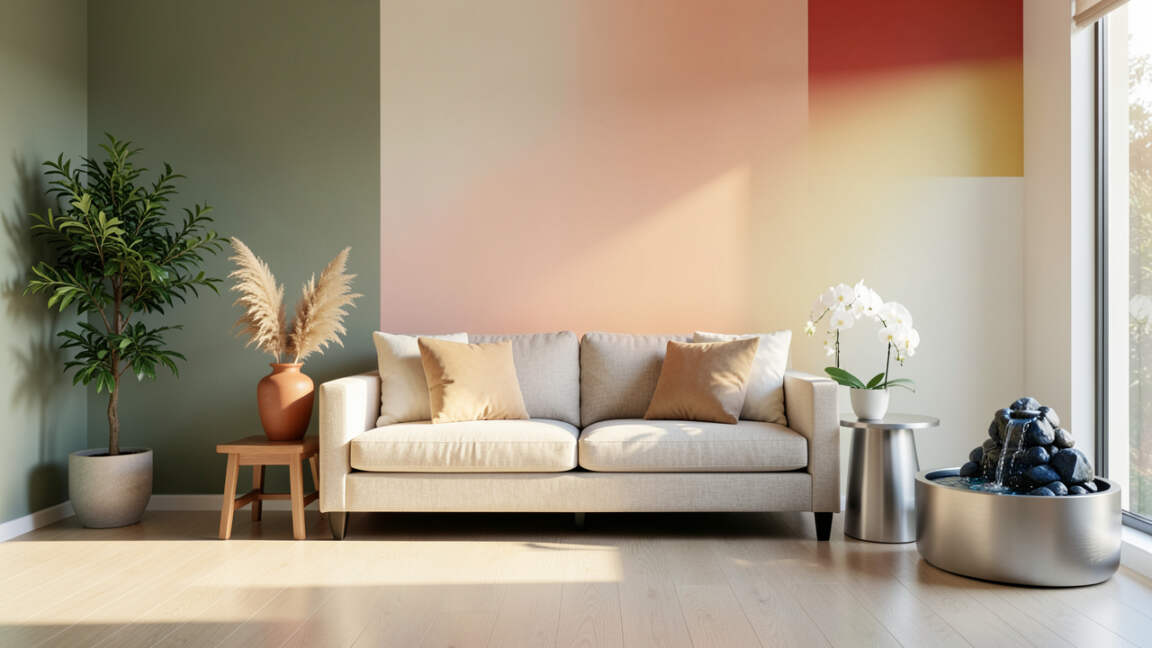
Feng Shui colors represent the five natural elements—Wood, Fire, Earth, Metal, and Water—each carrying specific energy frequencies that influence how a room feels and functions. For instance, green and brown support growth and health, red and orange activate passion and fame, and blue or black promote calm and career flow. Applying these colors according to the Bagua map helps balance energy in areas like relationships, wealth, or sleep, avoiding excess or deficiency that can affect daily life.
Feng Shui colors carry specific energy frequencies that can transform how a room feels and functions. This guide breaks down each color’s meaning and gives you practical ways to apply them.
In short, Feng Shui colors correspond to the five natural elements – Wood, Fire, Earth, Metal, and Water. Each element supports or weakens others through a cycle of interaction. Using the right Feng Shui colors and what they represent helps balance the energy of a room and supports specific life areas like health, career, or relationships.
Key Takeaways
- Feng Shui assigns specific colors to each of the five elements – Wood, Fire, Earth, Metal, and Water – and these colors interact through a defined cycle of support and control.
- Using the wrong color in a room can create excess or deficient energy, which may affect mood, sleep, or productivity over time.
- The Bagua map shows which colors belong in which areas of your home, such as career, relationships, or wealth.
- Feng Shui has been practiced for over 3,000 years, with its roots in ancient Chinese texts and Taoist philosophy.
- You do not need to paint every wall – small accents, fabrics, and decor items can shift the energy of a room effectively.
What Is Feng Shui Color Theory?
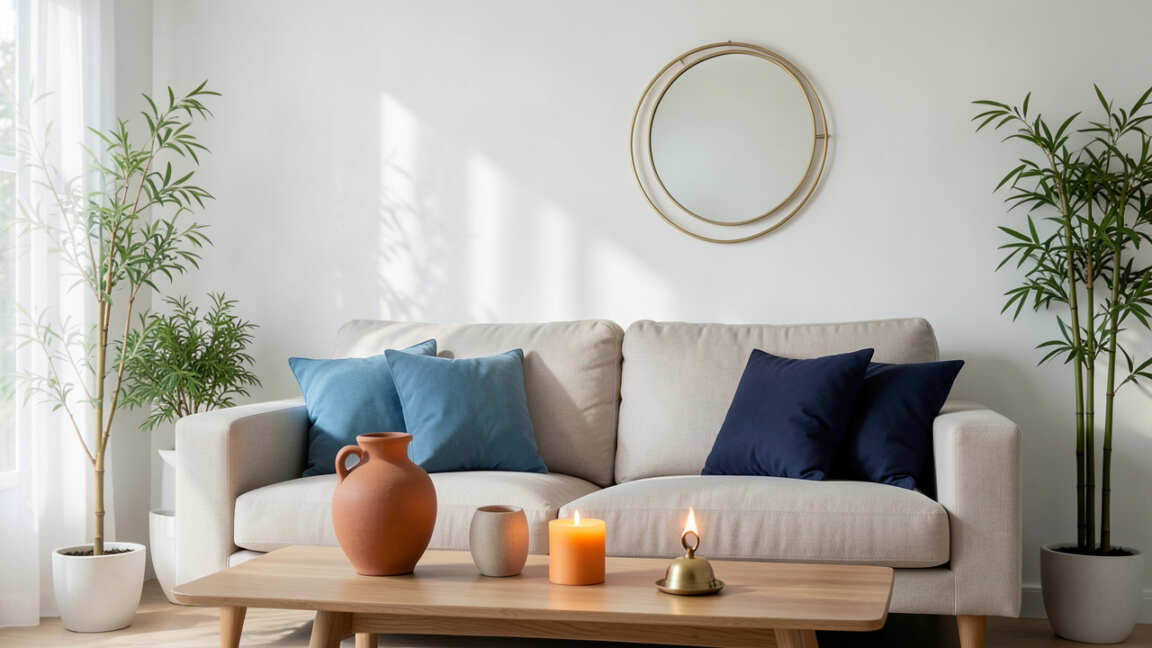
Feng Shui color theory links each color to one of the five natural elements. These elements – Wood, Fire, Earth, Metal, and Water – form a system of energy called qi. Each element has a set of colors that represent its unique vibration.
According to, colors are not decorative choices. They act as carriers of specific energy types. A room painted red brings Fire energy. A blue accent wall introduces Water energy. The goal is to create harmony between the elements present in a space.
Tip: Start with the element that governs the room’s purpose. For a bedroom, Water and Earth elements promote rest. For a home office, Metal and Water elements support focus and flow.
How Does Feng Shui Color Work?
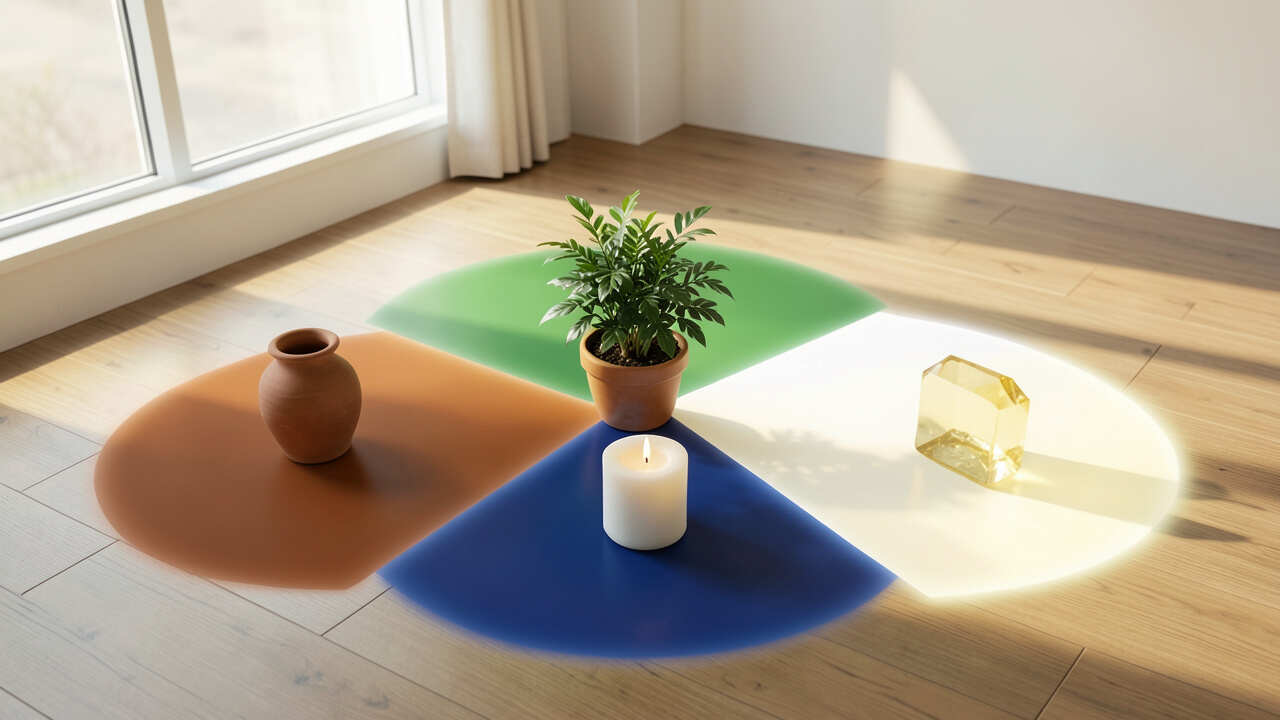
Feng Shui color works through two main cycles – the Productive Cycle and the Destructive Cycle. In the Productive Cycle, each element feeds the next one. Wood feeds Fire. Fire creates Earth. Earth bears Metal. Metal collects Water. Water nourishes Wood.
In the Destructive Cycle, each element overpowers the next one. Wood breaks up Earth. Earth absorbs Water. Water quenches Fire. Fire melts Metal. Metal chops Wood. Understanding these cycles helps you choose colors that strengthen or calm a space.
The is the primary tool practitioners use to assign colors to specific areas of a home. This map divides a space into nine sectors, each linked to a life area like wealth, health, or relationships. Each sector has a related element and color.
Feng Shui Colors by Element
Each element in Feng Shui has a family of colors. These colors carry the element’s energy and can be used in various ways to bring balance. Below you will find the main elements and their associated colors.
| Element | Colors | Direction | Shapes | Energy |
|---|---|---|---|---|
| Wood | Green, brown, teal | East, Southeast | Tall, rectangular | Growth, vitality |
| Fire | Red, orange, purple, pink | South | Triangular, pointed | Passion, transformation |
| Earth | Yellow, beige, terracotta, brown | Center, Southwest, Northeast | Square, flat | Stability, nourishment |
| Metal | White, gray, silver, gold | West, Northwest | Round, arched | Clarity, precision |
| Water | Blue, black, dark blue | North | Wavy, fluid | Wisdom, flow |
Wood Element Colors – Green, Brown, and Teal
Wood element colors represent growth, renewal, and vitality. Green is the primary color for Wood energy. Brown and teal also belong to this element. These colors work well in spaces where you want to encourage new beginnings, creativity, or physical activity.
According to research on color perception, green tones lower stress and increase feelings of balance. This aligns with Wood energy’s focus on harmony with nature. Use Wood colors in a home office or family room to support growth and learning.
Fire Element Colors – Red, Orange, Purple, and Pink
Fire element colors bring passion, warmth, and high energy. Red is the most powerful Fire color. Orange, purple, and pink also carry Fire energy. These colors are excellent for areas where you want to spark social connection, romance, or visibility.
The notes that warm colors like red and orange increase heart rate and stimulate conversation. In Feng Shui, Fire colors are best used sparingly. Too much red can create agitation or conflict. Use them in dining rooms, living rooms, or creative studios.
Warning: Fire colors – especially red and bright orange – are not ideal for bedrooms or meditation spaces. They stimulate energy when you need calm. If you want to use Fire in a bedroom, choose a muted pink or soft purple instead.
Earth Element Colors – Yellow, Beige, Terracotta, and Brown
Earth element colors represent stability, nurturing, and grounding. Yellow is the primary Earth color. Beige, terracotta, and warm browns also belong here. These colors are ideal for spaces where you want to feel safe, supported, and connected.
Earth colors work well in family rooms, kitchens, and children’s bedrooms. They create a sense of rootedness and calm. In Feng Shui, Earth energy supports relationships and self-care. If you feel anxious or scattered, introduce Earth tones to your space.
Metal Element Colors – White, Gray, Silver, and Gold
Metal element colors bring clarity, precision, and efficiency. White is the primary Metal color. Gray, silver, and gold carry similar energy. These colors are excellent for workspaces, home offices, and areas where you need focus and order.
Metal colors help cut through mental clutter. They support logical thinking and attention to detail. According to, white backgrounds improve reading comprehension and reduce eye strain. Use Metal colors in your workspace or study area.
Water Element Colors – Blue, Black, and Dark Blue
Water element colors represent depth, wisdom, and flow. Blue is the primary Water color. Black and dark navy also carry Water energy. These colors are ideal for spaces where you want to encourage reflection, communication, or deep thinking.
Water colors work well in living rooms, bathrooms, and meditation rooms. They also support career growth when placed in the north area of your home. Too much Water energy can create sadness or isolation. Balance dark Water colors with Earth or Wood accents.
Who Needs to Use Feng Shui Colors?
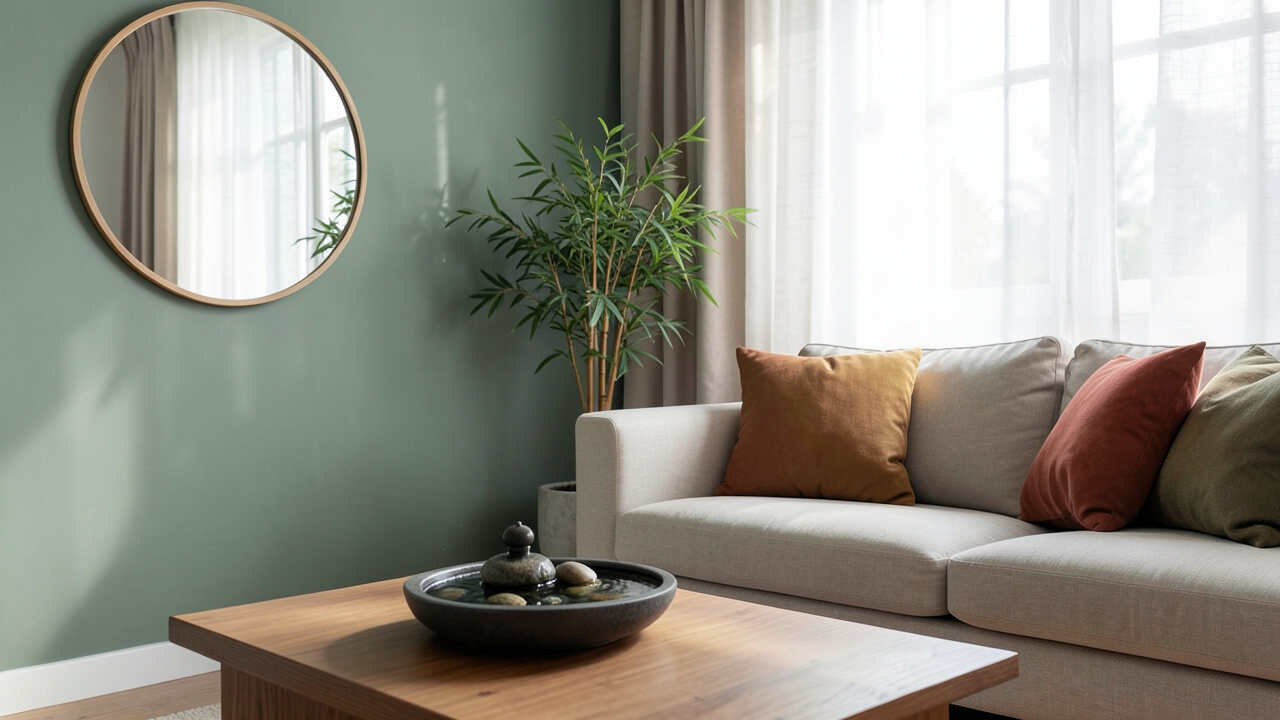
You can benefit from Feng Shui colors if you want to improve the energy in your home or workspace. The system is not limited to interior designers or spiritual practitioners. Anyone who wants to feel more balanced in their environment can apply these principles.
People who report feeling stuck in their career often use Water colors in the north sector. Those seeking better relationships add Earth colors to the southwest corner of their home. Parents use Wood colors in children’s rooms to support growth and learning.
According to a report, over 60% of American households have made changes to their living space in the past year to improve well-being. Many of these changes involve color choices driven by principles similar to Feng Shui.
How to Choose the Right Feng Shui Color for Your Space
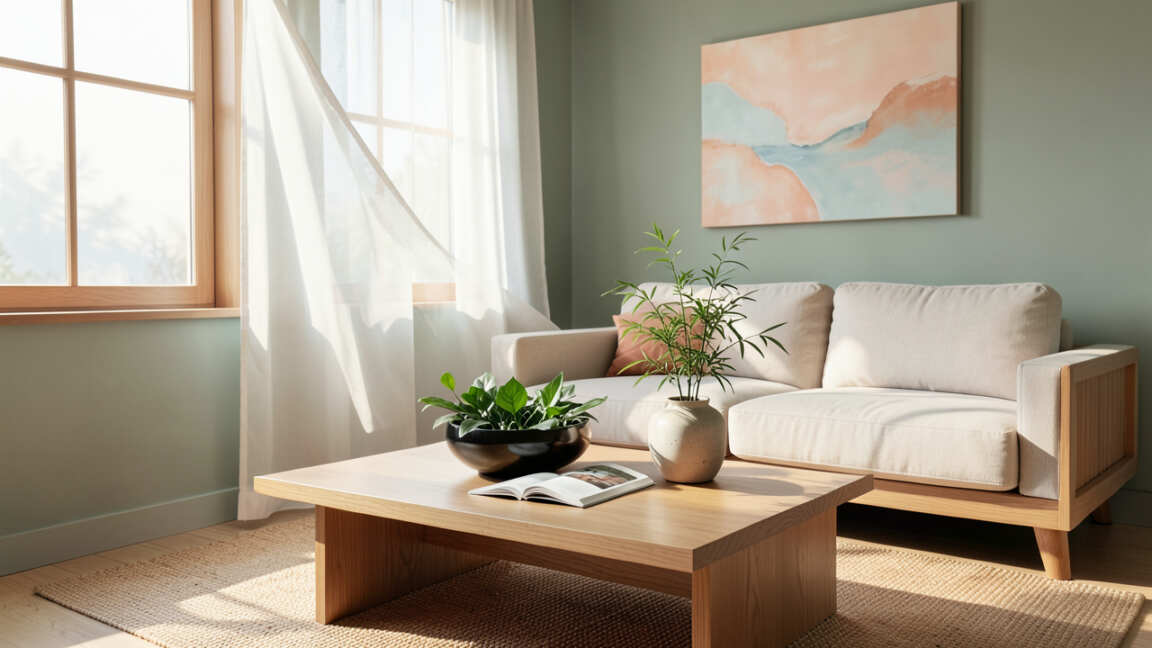
Choosing the right Feng Shui color depends on the room’s purpose and the energy you want to create. Follow these steps to make the best choice for each space.
- Identify the room’s purpose. Is this a space for rest, work, socializing, or creativity? Each purpose needs a different element.
- Check the Bagua map. Determine which sector of your home the room falls in. The Bagua map shows which element governs that area.
- Consider the existing colors. Look at the furniture, flooring, and decor already in the room. These also carry element energy.
- Choose one dominant element. Pick one element for the room’s main color. Use other element colors as accents.
- Balance with the Productive Cycle. Add supporting element colors to strengthen the main energy without overpowering it.
Tip: If you are new to Feng Shui, start with one room. Choose the room where you spend the most time. Apply one element’s colors and observe how the space feels over two weeks.
Applying Feng Shui Colors in Different Rooms
Each room in your home serves a different purpose and benefits from specific elements. Below is a guide for common rooms.
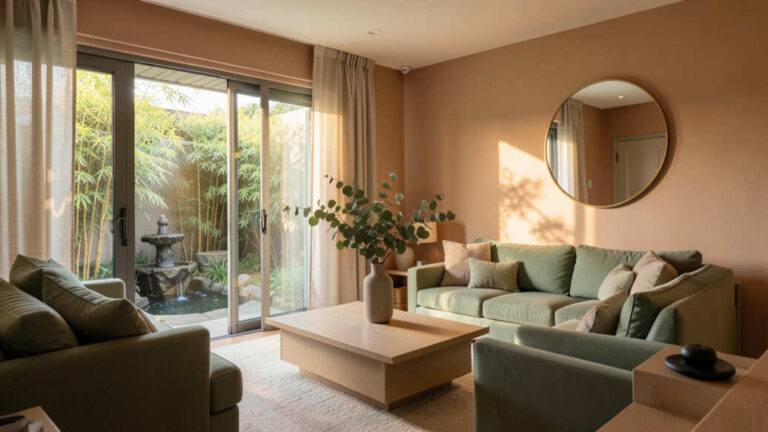
- Living Room: Earth and Water colors create a welcoming and relaxing atmosphere. Use beige, warm brown, or soft blue. Avoid too much Fire energy, which can feel overwhelming.
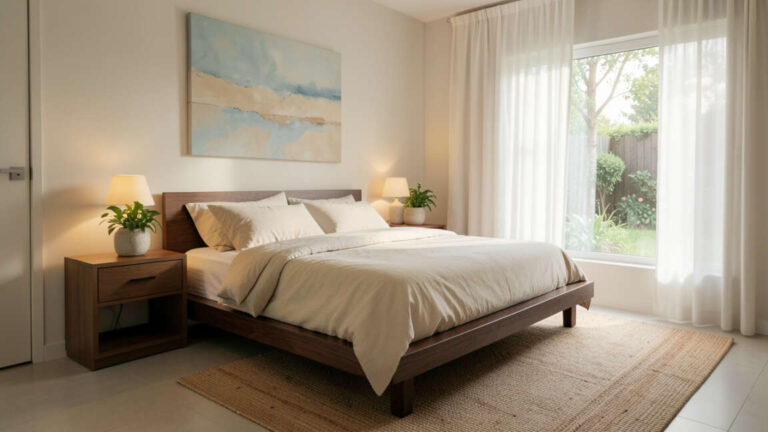
- Bedroom: Water and Earth colors promote rest and intimacy. Soft blues, gentle greens, and warm beiges work well. Red is best avoided unless used in small accents for romance.
- Home Office: Metal and Water colors support focus and flow. White, gray, and blue are excellent choices. Wood colors add growth and creativity.
- Kitchen: Fire and Earth colors support nourishment and social energy. Warm yellows, terracotta, and soft reds work well. Balance with Metal accents.
- Bathroom: Water colors dominate naturally. Balance with Earth tones to avoid too much Water energy. Add warm beige or terracotta accents.
Common Myths vs Facts
Myth 1: Feng Shui colors are just superstition with no real effect
Fact: Color psychology is a well-researched field in Western science. Studies from show that colors affect mood, heart rate, and cognitive performance. Feng Shui’s color system aligns with many of these findings.
Myth 2: You must paint every wall a Feng Shui color for it to work
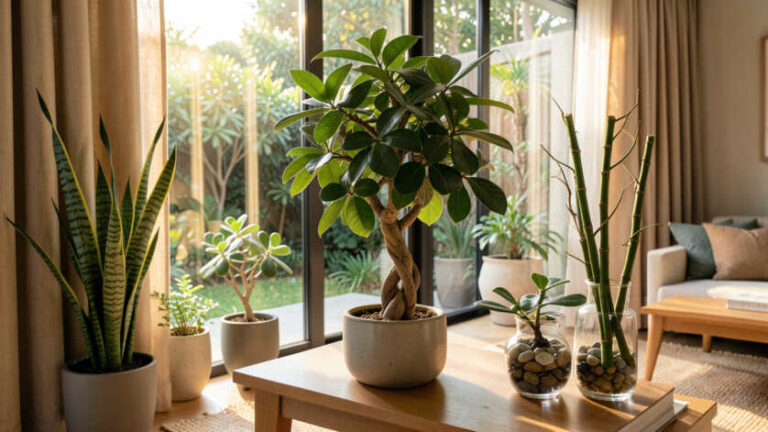
Fact: Small accents, fabrics, and decor items carry the same element energy as wall paint. A blue throw pillow, a green plant, or a red vase can introduce an element without repainting the entire room.
Myth 3: Feng Shui requires you to follow strict rules and cannot be adapted
Fact: Feng Shui is a flexible system. Modern practitioners adapt it to individual needs and space constraints. You can combine elements and adjust intensities based on your personal preferences.
Frequently Asked Questions
What are the five elements in Feng Shui and their colors?
The five elements are Wood (green, brown, teal), Fire (red, orange, purple, pink), Earth (yellow, beige, terracotta, brown), Metal (white, gray, silver, gold), and Water (blue, black, dark blue). Each element supports a different type of energy.
How do I use the Bagua map to choose colors?
The Bagua map divides your home into nine sectors. Each sector has an associated element and color. Place the map over your floor plan and identify which sector a room falls in. Use the element colors for that sector to support the related life area.
Can I use multiple Feng Shui colors in one room?
Yes. Use one dominant element for the main color. Add supporting element colors from the Productive Cycle as accents. Avoid using colors from elements that are in the Destructive Cycle with your main element.
What is the best color for attracting wealth in Feng Shui?
The wealth sector is located in the southeast area of your home according to the Bagua map. Wood element colors – especially green and brown – support wealth energy. Purple, a Fire color, also amplifies abundance when used as an accent in this sector.
What Feng Shui color is best for a bedroom?
Soft blues, gentle greens, and warm beiges are best for bedrooms. These colors come from the Water, Wood, and Earth elements. They promote relaxation, rest, and emotional balance. Avoid bright reds and intense oranges in the bedroom.
Pro Tips for Using Feng Shui Colors
These practical tips will help you apply Feng Shui colors more effectively in your home or workspace.
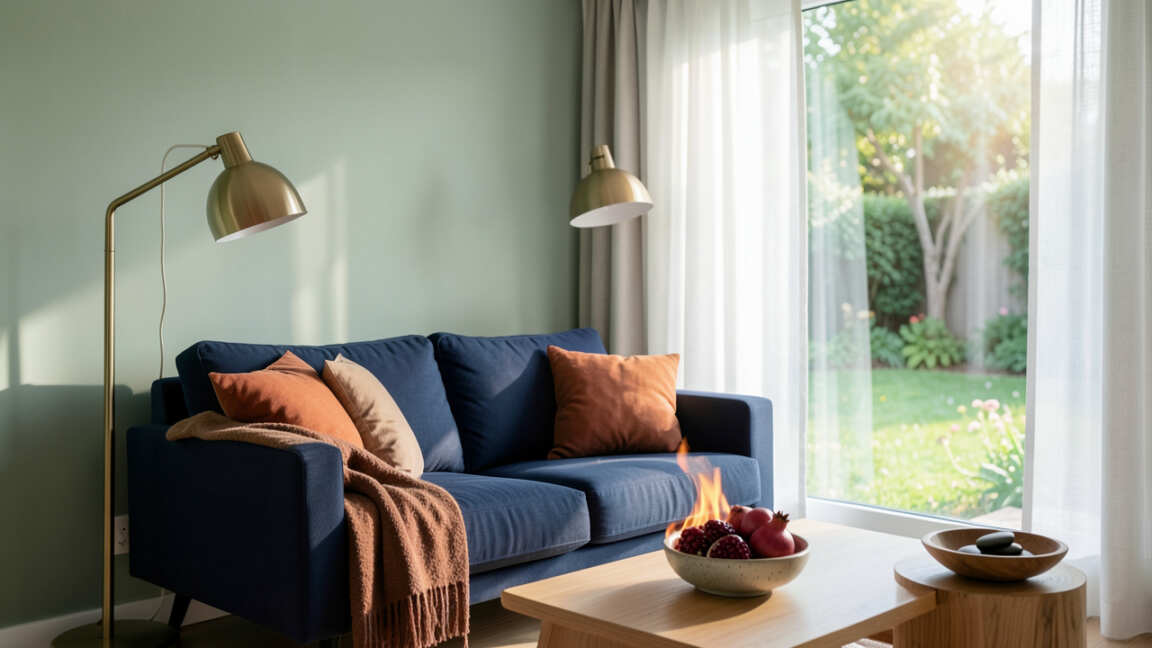
- Test colors in natural light. Artificial light changes how colors appear. Always test paint samples on your wall and observe them at different times of the day.
- Start with the five colors of the elements. Green, red, yellow, white, and blue cover the base of the system. Add variations as you become more comfortable.
- Use the Productive Cycle for layering. If you use a Water color as your base, add Wood colors as accents (Water feeds Wood). This strengthens the energy without creating conflict.
- Pay attention to intensity. A soft sage green carries different energy than a bright lime green. Muted shades of an element work better in restful spaces. Bright shades suit active areas.
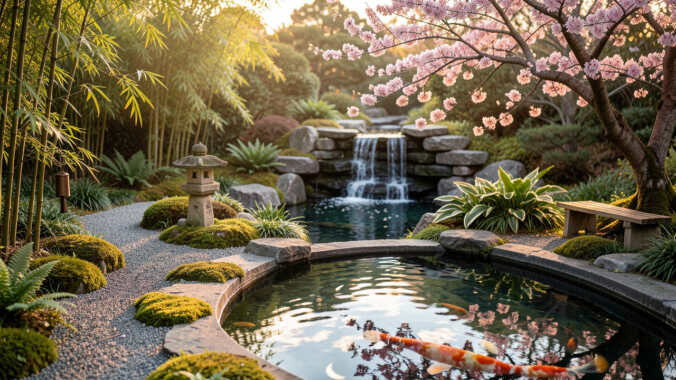
- Incorporate natural materials. Wood furniture, stone surfaces, metal frames, and water features reinforce the element colors in a room. They add texture and depth to the color scheme.
Important: Feng Shui color Feng Shui colors and what they represent are part of a larger system that includes direction, shape, and material. For the best results, combine color choices with proper furniture placement and clutter clearing.

Resources and Tools
Use these resources to deepen your understanding of Feng Shui colors and their applications.
Bagua Map Guide – A detailed explanation of the nine sectors and their corresponding elements and colors.
Feng Shui Color Wheel – An interactive tool that shows the relationships between elements and colors based on the Productive and Destructive Cycles.
Color Psychology Research – A database of scientific studies on how color affects mood and behavior, published by the American Psychological Association.
Feng Shui Books for Beginners – A curated list of recommended books on Feng Shui fundamentals, including color theory and application.
Final Thoughts
Feng Shui colors and what they represent give you a practical framework for creating balanced, supportive spaces. Each element offers a specific energy that can enhance your daily life – from career growth to restful sleep. Start with one room and one element, then build from there. The system adapts to your needs, so trust your intuition as you experiment with different color combinations.