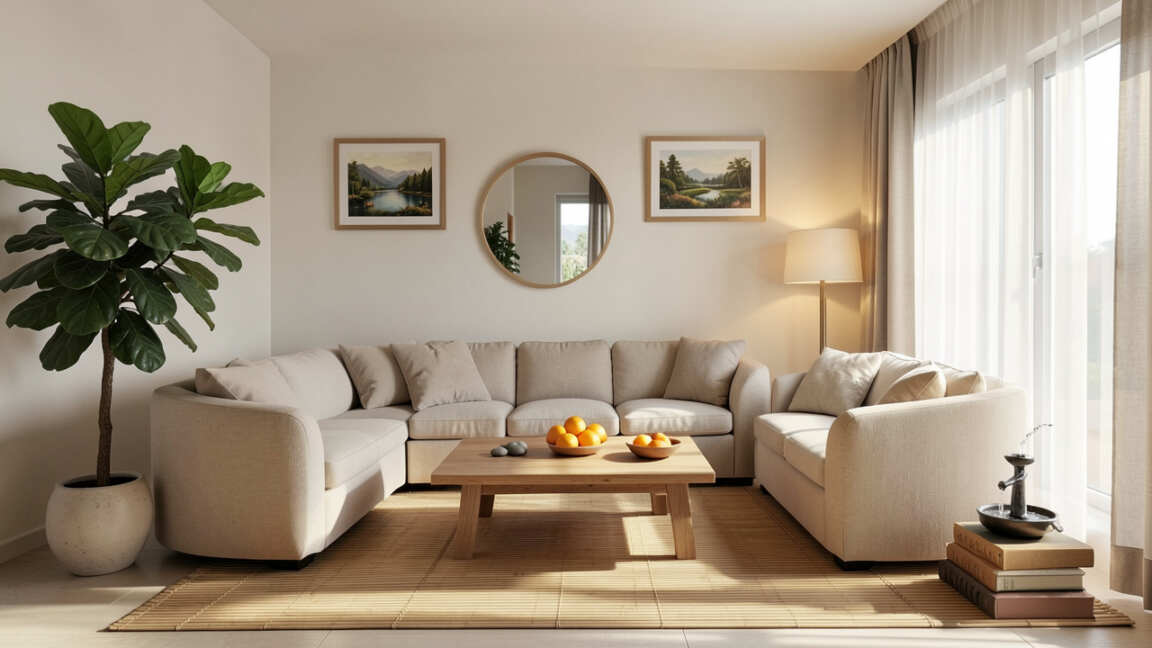
Feng Shui Tips for Arranging Your Living Room
Feng Shui tips for arranging your living room center on the commanding position, where the main sofa faces the door without being directly aligned, to optimize the flow of Chi. Clearing clutter, adding supporting seats, selecting a round coffee table, and balancing the TV with the five elements through colors and materials create a harmonious energy flow. These adjustments improve mental clarity, social interactions, and overall well-being by fostering a balanced and positive living space.
The way you arrange your living room directly controls the energy flow in your home.
This guide covers essential Feng Shui tips for arranging your living room to attract positive energy and balance.
Simply put, Feng Shui is the ancient Chinese practice of arranging your space to create harmony. For your living room, this means placing furniture to invite good energy, balancing the five elements, and removing clutter. A well-arranged room improves your mood, relationships, and overall well-being. Small changes like shifting your sofa or adding a plant make a big difference.
Key Takeaways
- The commanding position requires your main sofa to face the door while not being directly in line with it.
- Balancing the five elements (Wood, Fire, Earth, Metal, Water) creates a harmonious living room atmosphere.
- Clutter blocks Chi and negatively affects your mental clarity and social energy.
- Natural light and appropriate plants improve the flow of positive energy in the room.
- Color choices directly influence the mood and energy of the space based on Bagua zones.
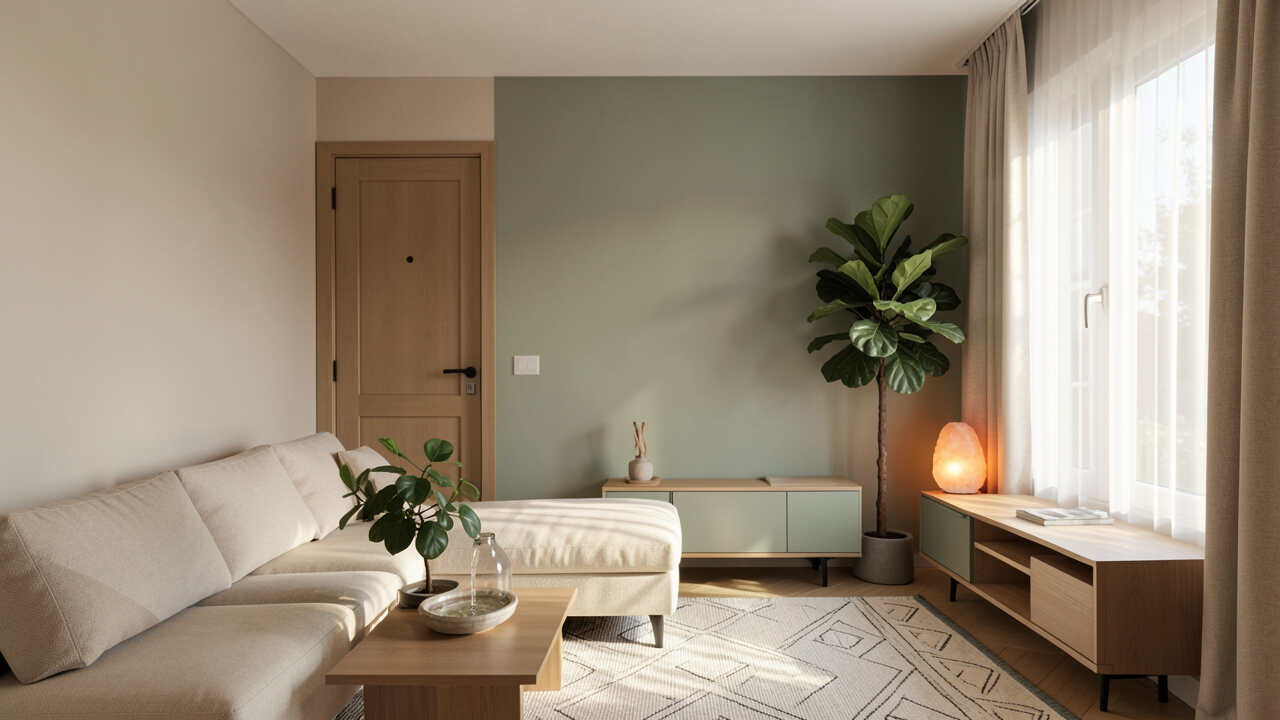
What Is the Commanding Position in Feng Shui?
The commanding position is the spot in a room that is farthest from the door while still having a clear view of it. In a living room, this is usually the far diagonal corner from the entrance.
Place your main sofa in this position to feel safe and in control. You want to see who enters the room without being directly in the path of the door. According to the, 82% of buyers agents believe staging a living room this way makes it easier for people to feel comfortable.
How to Find the Commanding Position
Stand at your living room entrance. Look at the wall directly across from you. The corner diagonally opposite the door is your commanding position. If the layout prevents this, use a large mirror to reflect the door so you can see it from your seat.
Tip: Always sit with a solid wall behind you. This gives you a sense of security and power during conversations. Avoid placing your sofa under a window if possible.
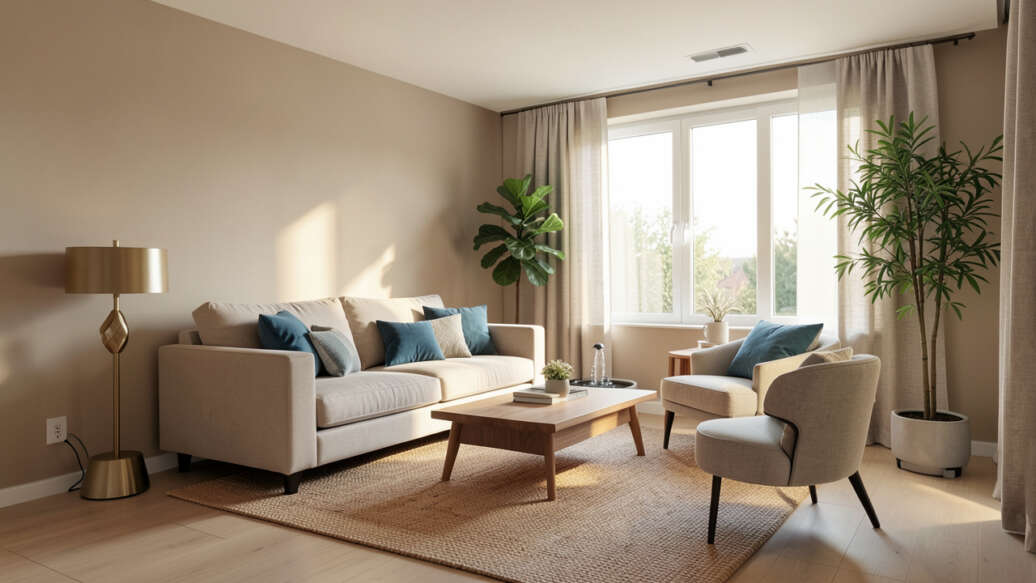
How to Arrange Your Living Room Furniture
Your furniture arrangement controls the flow of Chi (energy). A balanced layout encourages conversation, relaxation, and connection. Follow these steps to optimize your space.
Step 1: Clear the Clutter
Clutter blocks energy flow. According to a study from the, clutter directly increases stress hormones. Remove items you do not use or love. Give every item a designated home.
Step 2: Place the Main Sofa in Command
Anchor your largest piece of furniture in the commanding position. This is your support in the room. Ensure it has a solid wall behind it.
Step 3: Add Supporting Seats
Place two smaller chairs or a loveseat facing the main sofa. This creates a U-shape or L-shape formation. It invites people to sit and talk. Avoid lining chairs against the walls like a waiting room.
Step 4: Choose a Round Coffee Table
Round shapes represent Metal element and promote smooth conversation. Sharp corners on rectangular tables create Sha Chi (poison arrows). If you have a rectangular table, cover the corners with a cloth or add a round tray on top.
Step 5: Balance the TV
The TV represents strong Fire element and Yang energy. Place it in a cabinet or on a wall that is not directly facing the sofa. If you must face it, balance it with Earth elements like wood frames or ceramic decor around it.
Step 6: Layer Your Lighting
Use a mix of overhead lights, floor lamps, and table lamps. Dimming options allow you to adjust the energy from vibrant (Yang) to relaxing (Yin). According to the, exposure to natural light improves sleep and reduces depression.
What Are the 5 Feng Shui Elements for the Living Room?
Balancing the five elements is core to applying Feng Shui tips for arranging your living room. Each element brings a specific quality to the space. Use the table below to understand how to incorporate them.
| Element | Colors | Shapes | Living Room Use |
|---|---|---|---|
| Wood | Green, Brown | Rectangular, Columnar | Wooden furniture, plants, and green decor. |
| Fire | Red, Orange, Pink | Triangular, Pointed | Candles, fireplace, accent pillows, lighting. |
| Earth | Yellow, Beige, Terra cotta | Square, Flat | Ceramics, rugs, square coffee tables. |
| Metal | White, Gray, Silver | Round, Oval | Metal frames, mirrors, round side tables. |
| Water | Blue, Black | Wavy, Curved | Fountains, mirrors, dark blue accents. |
How to Use the Elements in Your Living Room
You do not need all five elements to start. Focus on the ones that feel missing. If your room feels cold and formal, add Wood with plants or Fire with candles. If it feels chaotic, add Earth with ceramics or Metal with white accents.
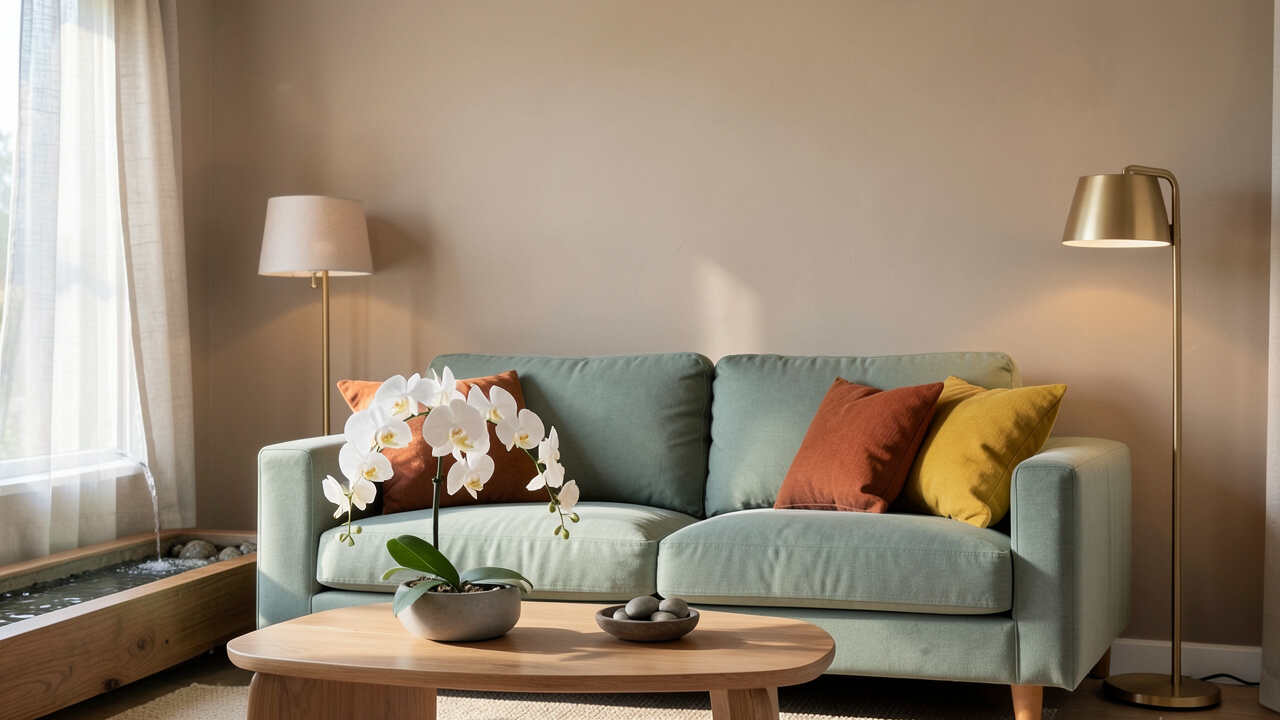
Color Psychology for Living Room Energy
Colors are a direct expression of the five elements. They affect your mood and the energy of the room. According to research published in the journal Color Research and Application, room color significantly impacts mood and cognitive performance.
Choose a neutral base for the walls (beige, soft white, light gray). This represents Earth and Metal. Then add accent colors based on the Bagua zone of your living room or the energy you want to encourage.
- Wealth area (far left corner): Add purple or deep green accents.
- Love area (far right corner): Use pink or red details.
- Health area (center): Use yellow or earth tones.
- Career area (front center): Use blue or black elements.
- Fame area (center back): Use red or strong lighting.
Plants and Natural Light as Energy Boosters
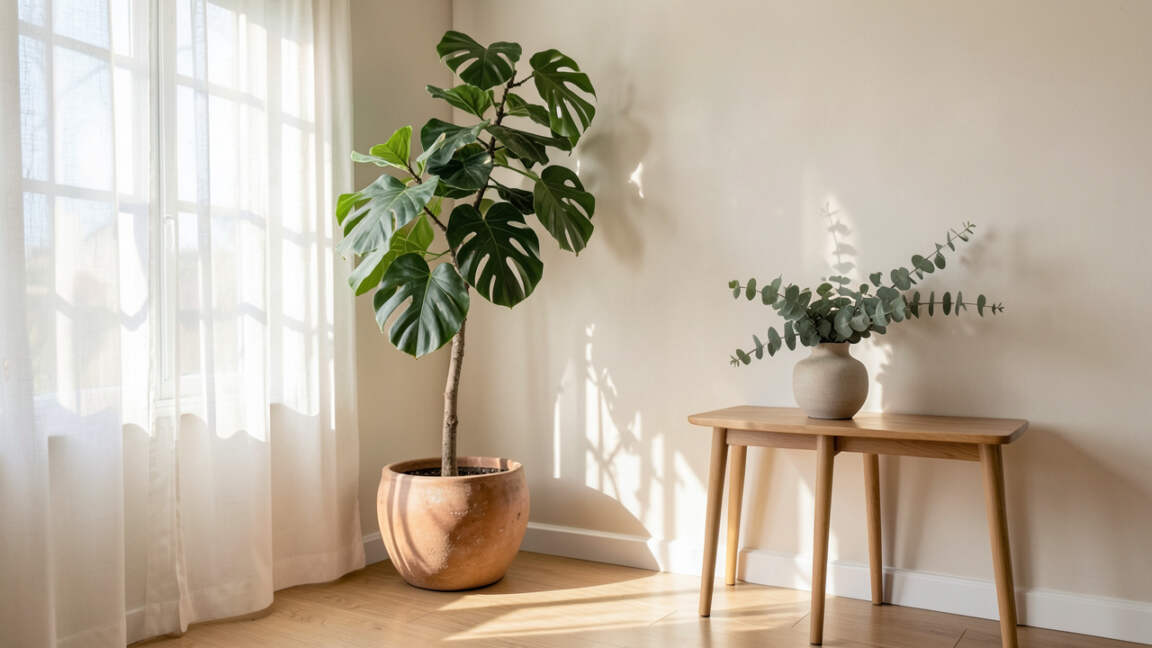
Plants are the best way to bring Wood energy into your living room. A shows that common houseplants remove up to 87% of air toxins in 24 hours. This directly improves the quality of Chi in the room.
Choose plants with soft, rounded leaves. Avoid plants with sharp thorns or pointed leaves, as they create hostile energy. Good choices include Peace Lily, Bamboo, Pothos, and Ficus.
Warning: Avoid placing a mirror directly across from the front door. It pushes positive Chi right back out. Instead, place it on a perpendicular wall to reflect energy throughout the room.
What Feng Shui Is Not: Common Myths vs Facts
Many people are intimidated by Feng Shui. They think it requires expensive items or strict rules. The truth is much simpler.
Myth: Feng Shui requires buying expensive crystals and statues.
Fact: True Feng Shui focuses on arrangement and removal of clutter first. You already own what you need. According to the, staging and decluttering make a much bigger difference than buying new items.
Myth: You must strictly follow the Bagua map based on your front door direction.
Fact: Many modern practitioners recommend using an intuitive Bagua based on the room itself. The energy of the living room takes precedence over a rigid compass reading from the 8 Mansions system.
Myth: Feng Shui is a religion or superstition.
Fact: Feng Shui is a practical system of environmental psychology. It is based on observing nature and energy flow. It works alongside any belief system.
Pro Tips for Enhancing Living Room Energy
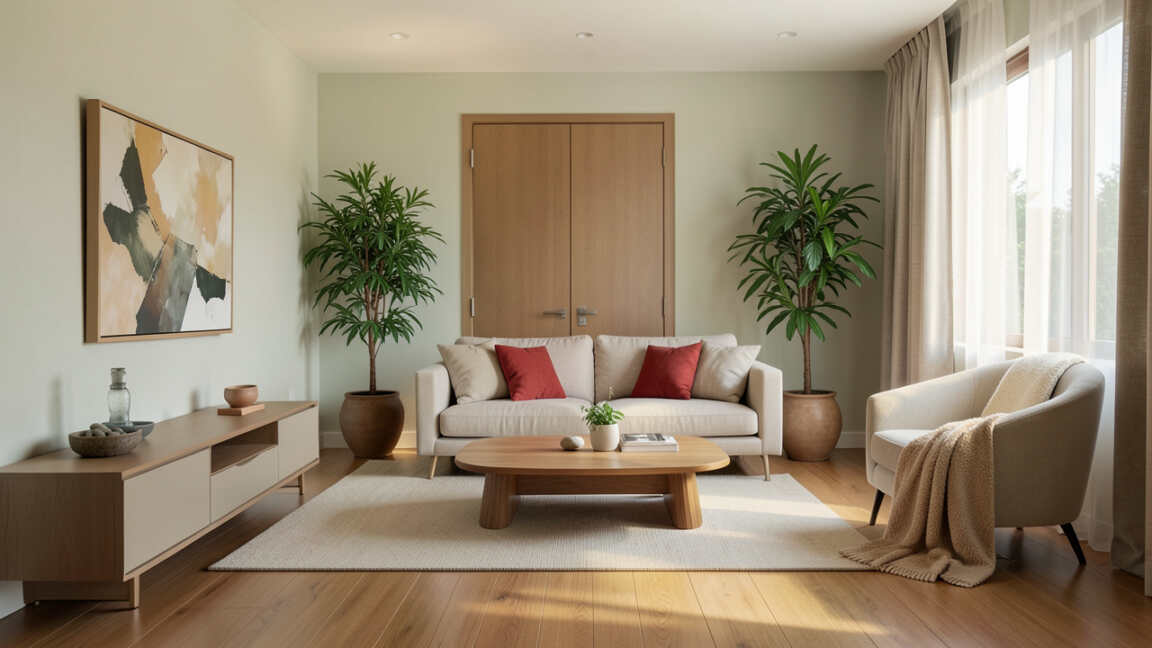
- Use mirrors strategically. A mirror placed on a wall perpendicular to the door reflects incoming Chi and expands the space. Do not place mirrors directly facing the door.
- Choose round coffee tables. Round shapes facilitate the flow of conversation and energy. Sharp corners on rectangular tables create Sha Chi.
- Layer your lighting. Use a mix of overhead lights, floor lamps, and table lamps. Dimming options allow you to adjust the energy from vibrant (Yang) to relaxing (Yin).
- Anchor the TV. Electronics represent Fire energy. Balance the TV by placing it in a cabinet or surrounding it with Earth elements like wood frames or ceramic decor.
- Add living plants. Plants bring Wood energy and purify the air. Choose plants like Peace Lily or Bamboo for their soft, upward growth.
Resources and Tools for Applying Feng Shui
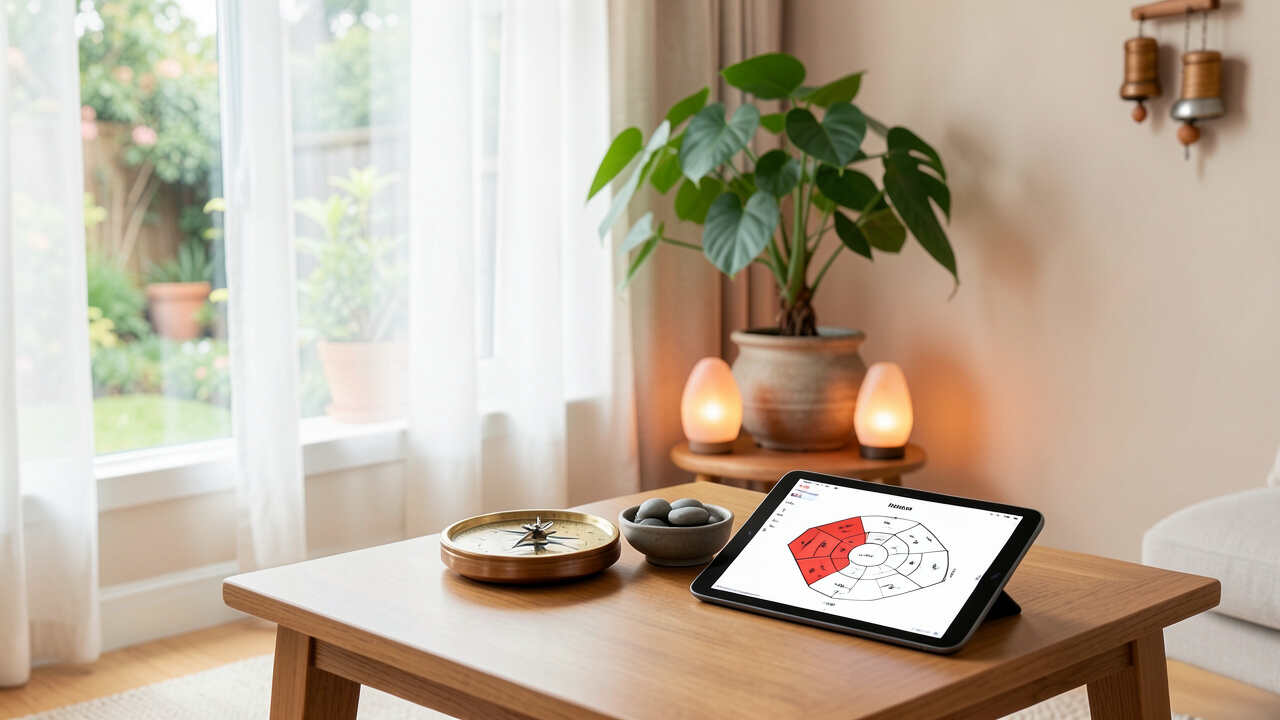
Bagua Map PDF – A printable guide to overlay on your living room floor plan.
Compass App – Use your phone’s compass to find directions for the Eight Mansions method.
Rhododendron – A fantastic plant for removing negative energy according to the practice.
Interior Design Psychology – Learn how color and space affect the mind based on research.
Frequently Asked Questions
Can I place my sofa against a window?
It is not ideal. A solid wall represents support and security. Placing the sofa under a window can feel unstable. If you have no choice, install heavy drapes to mimic a solid wall.
Is it okay to have a TV in the living room?
Yes, but conceal it in a cabinet or cover it when not in use. The TV represents Fire element and strong Yang energy. It can dominate the room and pull focus away from connection.
What colors should I avoid in the living room?
Avoid too much Red (Fire) in the living room as it can cause aggression. Too much White (Metal) can feel cold. A balanced mix with Earth tones is usually safest.
How do I use the Bagua map in my living room?
Stand at the main entrance of the living room facing inward. The bottom of the Bagua aligns with the wall you are standing on. The far left corner is the Wealth area, the far right is Love, and the center is Health.
Do I need a Feng Shui consultant?
Not for basic adjustments. You can handle 80% of the energy with furniture placement, clutter clearing, and color balance. A consultant helps with complicated floor plans or specific life issues.
Final Thoughts
Applying Feng Shui tips for arranging your living room is about creating a space that supports your life. Focus on the commanding position, balance the five elements, and clear the clutter first. Small changes often bring the biggest shifts in energy.
Your home is your sanctuary. Make it work for you.