The Five Elements of Feng Shui in Home Design
The five elements of Feng Shui—Wood, Fire, Earth, Metal, and Water—are a system for balancing energy in home design by using specific colors, shapes, and materials. Each element corresponds to particular qualities and life areas, such as Wood for growth, Fire for passion, Earth for stability, Metal for clarity, and Water for wisdom. Understanding their productive and destructive cycles allows homeowners to make small, strategic adjustments that improve energy flow and support well-being without requiring a full renovation.
Your home’s design shapes how you feel every day. The five elements of Feng Shui offer a simple way to create spaces that support your energy, focus, and rest.
Quick Verdict: The five elements of Feng Shui – Wood, Fire, Earth, Metal, and Water – form a system for balancing energy in your home. Each element brings specific qualities like growth, passion, stability, clarity, and wisdom. By placing colors, shapes, and materials strategically, you can improve the energy flow in each room.
Key Takeaways
- Wood, Fire, Earth, Metal, and Water are the five foundational elements of Feng Shui that interact through productive and destructive cycles.
- Each element corresponds to specific colors, shapes, materials, and areas of the Bagua map that relate to different life aspects.
- Balancing the five elements in your home can improve energy flow, support well-being, and enhance specific life areas like career and relationships.
- You do not need a full renovation to apply Feng Shui elements – small changes like adding plants or changing colors can shift the energy in a room.
- The elements work through a cycle of creation and control, so understanding their relationships helps you avoid creating imbalance.
How Do the Five Elements Work in Home Design?
The five elements come from ancient Chinese philosophy. They describe how energy, or chi, moves through your environment. Each element has a unique vibration and set of qualities.
The elements interact in two main ways. The productive cycle shows how one element feeds another. Water nourishes Wood. Wood feeds Fire. Fire creates Earth. Earth produces Metal. Metal collects Water.
The destructive cycle shows how elements control each other. Water puts out Fire. Fire melts Metal. Metal cuts Wood. Wood breaks Earth. Earth dams Water.
According to the, every room contains all five elements to some degree. The goal is balance. Too much of one element can overwhelm the others. Too little can leave a space feeling flat.
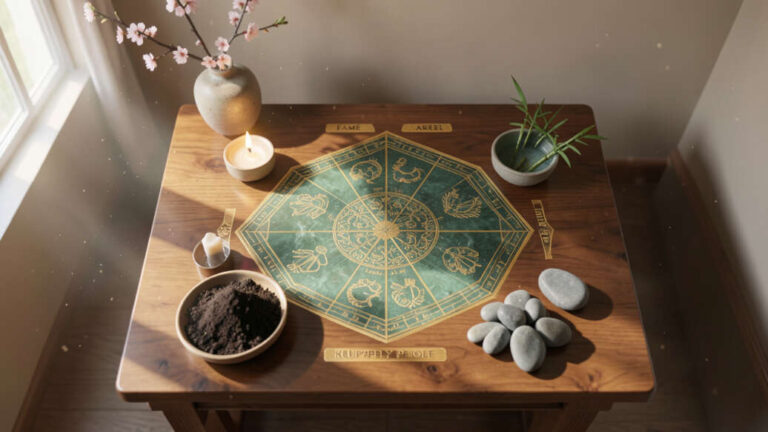
The helps you identify which elements belong in which areas of your home. Each of the eight life areas – career, knowledge, family, wealth, fame, relationships, children, and helpful people – connects to specific elements. The center represents health and connects to Earth.
Important: You do not need to change every room. Focus on one area at a time. Start with the rooms where you spend the most time – your bedroom, living room, and home office.
The reports that 47% of buyers said staged homes helped them see the property as their future home. This shows how design affects perception. Feng Shui takes this further by aligning design with energy.
The five elements also connect to the five senses. Color appeals to sight. Texture appeals to touch. Sound from wind chimes or water appeals to hearing. Scent from candles or plants appeals to smell. This multi-sensory approach makes Feng Shui feel natural and intuitive.
The Five Elements in Detail
Each element has distinct features. Understanding these features helps you choose the right element for each space. Below is a breakdown of all five elements and how to use them.
Wood Element
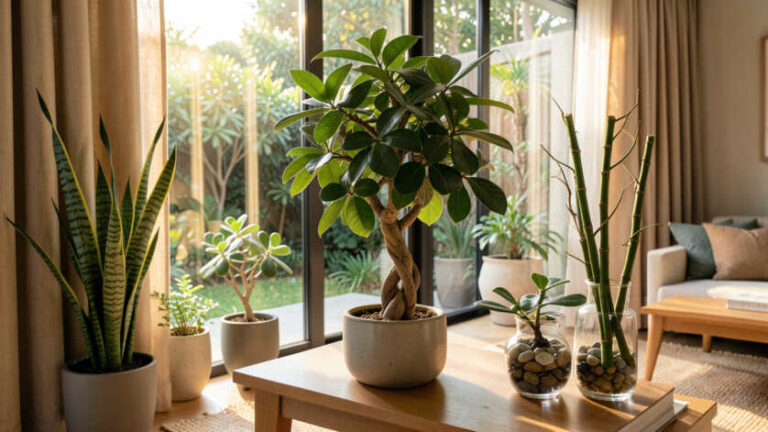
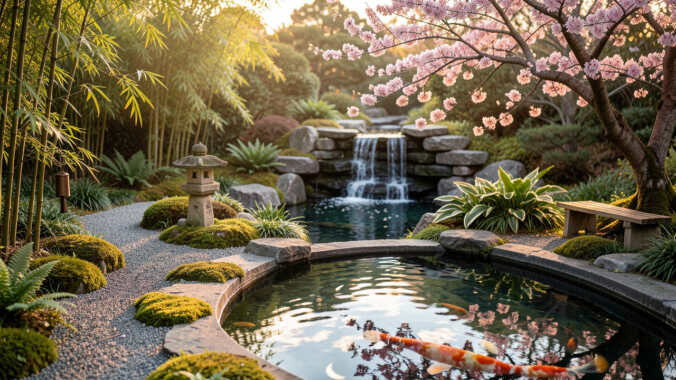
Wood represents growth, vitality, and new beginnings. It carries upward energy, like a tree stretching toward the sun. Wood is spring and morning time.
Colors for the Wood element include green and brown. Shapes are tall, rectangular, and column-like. Materials include real plants, wood furniture, bamboo, rattan, and paper.
Wood connects to the family and health areas of the Bagua map. In home design, you can add Wood through houseplants, wooden furniture, green accents, or floral patterns. The east and southeast areas of your home benefit most from Wood energy.
Tip: Place a healthy plant in the east corner of your living room to invite growth and family harmony. Choose plants with round leaves for softer energy and tall plants for stronger upward energy.
A room with too little Wood feels stagnant or stiff. A room with too much Wood feels chaotic or overly busy. Balance Wood with Metal elements, which control Wood in the destructive cycle.
Fire Element
Fire represents passion, transformation, and visibility. It carries expansive energy, like flames rising and spreading. Fire is summer and midday.
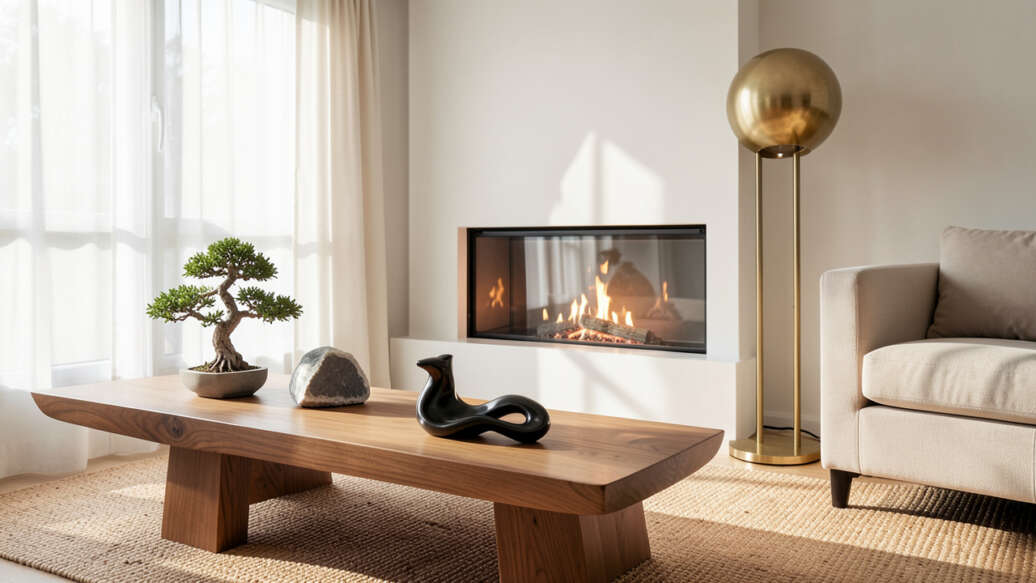
Colors for the Fire element include red, orange, pink, and purple. Shapes are triangular, pointed, and pyramid-like. Materials include candles, fireplaces, lamps, and anything electronic or lighting-related.
Fire connects to the fame and reputation area of the Bagua map. This area sits at the center back of your home, opposite the entrance. Adding Fire elements here can boost recognition and confidence.
Use Fire sparingly in bedrooms, where too much can disrupt sleep. Fire works well in living rooms, dining rooms, and entryways where you want to create warmth and excitement.
Warning: Too much Fire can create aggression or restlessness. If you feel anxious in a room, remove red items or reduce bright lights. Balance Fire with Water elements like a small fountain or dark blue accents.
A room with too little Fire feels cold or boring. A room with too much Fire feels overwhelming or stressful. Balance Fire with Water elements, which control Fire in the destructive cycle.
Earth Element
Earth represents stability, nourishment, and grounding. It carries centering energy, like the solid ground beneath your feet. Earth is late summer and afternoon.
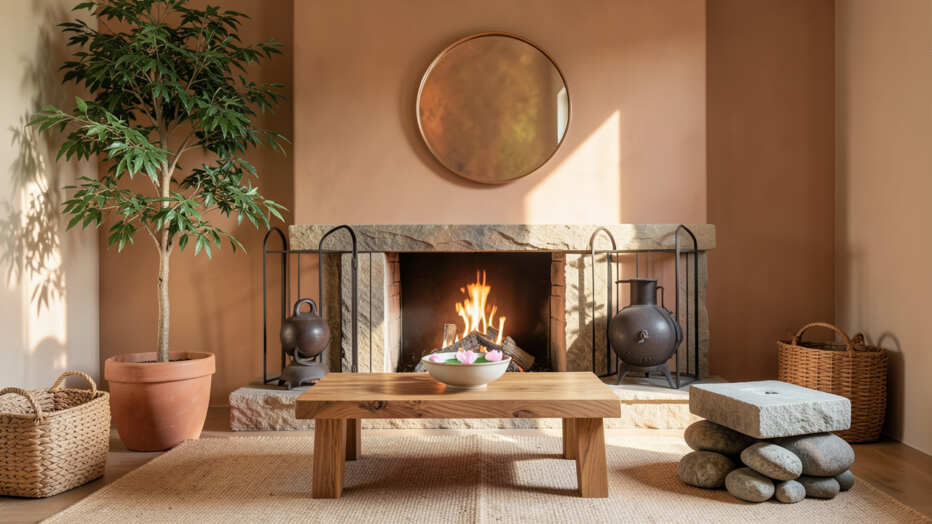
Colors for the Earth element include beige, yellow, ochre, terracotta, and warm brown. Shapes are square, flat, and horizontal. Materials include ceramic, stone, clay, brick, tile, and natural fabrics like cotton and wool.
Earth connects to the center of the Bagua map, which represents overall health and well-being. Every room benefits from some Earth energy to create stability.
In home design, Earth elements appear in ceramic vases, stone countertops, square rugs, and earthy paint colors. The southwest area connects to love and relationships, and Earth elements can strengthen this area.
A room with too little Earth feels ungrounded or chaotic. A room with too much Earth feels heavy or stuck. Balance Earth with Wood elements, which break Earth in the destructive cycle.
According to the, natural materials like stone and ceramic have become a top priority in residential design. This aligns closely with Earth element principles.
Metal Element
Metal represents clarity, precision, and structure. It carries contracting energy, like metal being forged into shape. Metal is autumn and evening.
Colors for the Metal element include white, gray, silver, gold, and copper. Shapes are round, circular, and arch-like. Materials include actual metal, mirrors, coins, clocks, and stones like marble or granite.
Metal connects to the children and helpful people areas of the Bagua map. It also supports the creativity area. Adding Metal can bring mental clarity and organizational energy to your home.
In home design, Metal shows up in metal furniture legs, picture frames, mirrors, wind chimes, and white walls. The west and northwest areas of your home benefit most from Metal energy.
A room with too little Metal feels disorganized or unclear. A room with too much Metal feels cold or rigid. Balance Metal with Fire elements, which melt Metal in the destructive cycle.
The notes that Americans spend about 90% of their time indoors. Using Metal elements like mirrors to reflect natural light can make indoor spaces feel more open and clear.
Water Element
Water represents wisdom, flow, and abundance. It carries downward and outward energy, like water finding its level. Water is winter and nighttime.
Colors for the Water element include blue, black, and deep navy. Shapes are wavy, curving, and asymmetrical. Materials include actual water features, glass, mirrors, aquariums, and dark glossy surfaces.
Water connects to the career and life path area of the Bagua map. This area sits at the center front of your home, directly in line with the entrance. Adding Water elements here can support career growth and opportunities.
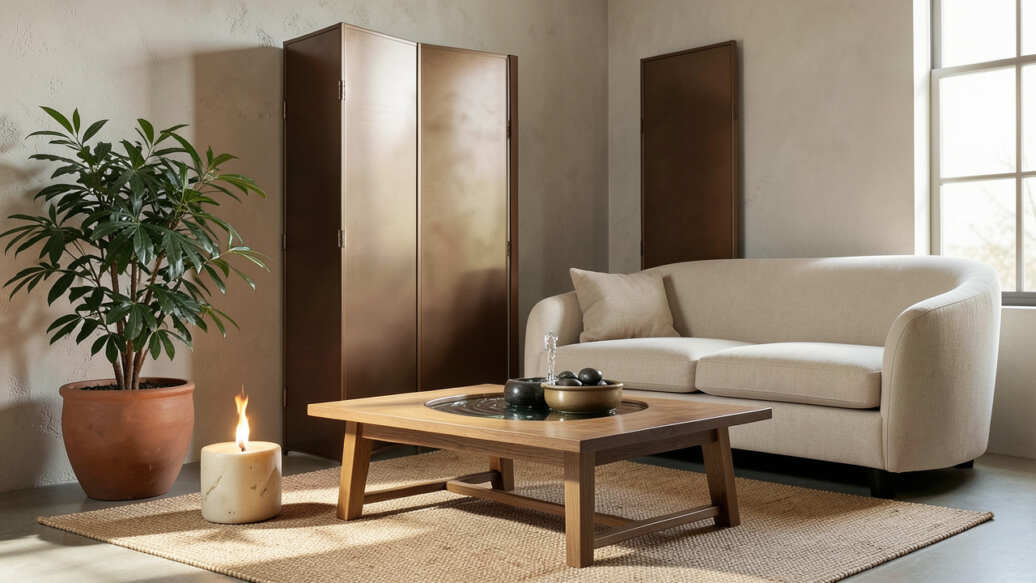
In home design, Water appears in fountains, fish tanks, mirrors, glass tabletops, and dark accent walls. The north area of your home connects most strongly to Water energy.
Tip: A small tabletop fountain in the north area of your home can activate career energy. Keep the water clean and flowing. Stagnant water attracts negative energy.
A room with too little Water feels dry or stuck. A room with too much Water feels heavy or emotional. Balance Water with Earth elements, which dam Water in the destructive cycle.
How to Balance the Five Elements in Your Home
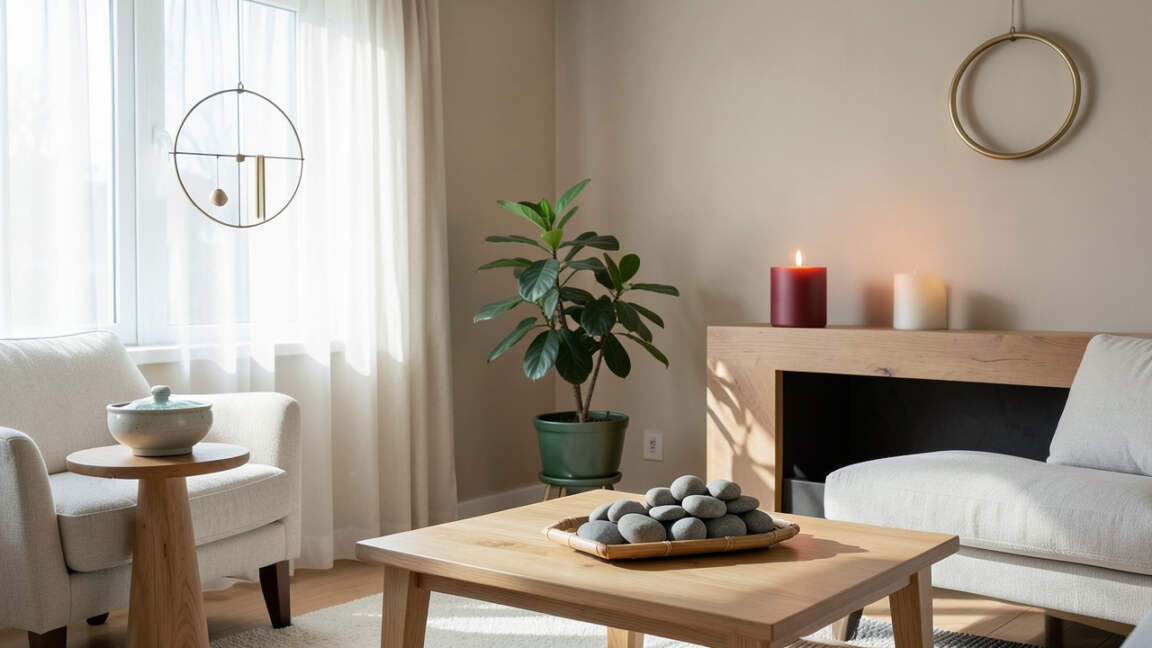
Balance does not mean equal amounts of each element. Balance means the right amounts for your specific needs. Your home may need more of one element and less of another.
Start by identifying which areas of life you want to support. Do you want more career growth? Strengthen Water. Do you want more recognition? Strengthen Fire. Do you want more stability? Strengthen Earth.
Use the table below to see how each element connects to specific qualities and areas of your home.
| Element | Core Quality | Colors | Shapes | Bagua Area |
|---|---|---|---|---|
| Wood | Growth, vitality, new beginnings | Green, brown | Tall, rectangular, column-like | Family, Health |
| Fire | Passion, transformation, visibility | Red, orange, pink, purple | Triangular, pointed, pyramid-like | Fame, Reputation |
| Earth | Stability, grounding, nourishment | Beige, yellow, terracotta, warm brown | Square, flat, horizontal | Health, Relationships |
| Metal | Clarity, precision, structure | White, gray, silver, gold | Round, circular, arch-like | Children, Helpful People |
| Water | Wisdom, flow, abundance | Blue, black, deep navy | Wavy, curving, asymmetrical | Career, Life Path |
To balance the elements in a room, follow these steps:
- Identify the dominant element. Look at the colors, materials, and shapes already in the room. Which element stands out most?
- Check for missing elements. Which elements are completely absent? A room with no green or plants lacks Wood. A room with no blue or curves lacks Water.
- Use the productive cycle. If you want more of one element, add its feeder element first. To strengthen Fire, add more Wood. To strengthen Earth, add more Fire.
- Use the destructive cycle to calm excess. If a room has too much Fire, add Water. If it has too much Wood, add Metal.
- Test the energy. Spend time in the room after making changes. Notice how you feel. Adjust as needed.
Important: Feng Shui is not about perfection. Small changes create noticeable shifts. A single green cushion or a blue throw blanket can bring elemental balance to a room.
Who Should Use Element-Based Feng Shui
Anyone can benefit from the five elements. The system works for all home types, budgets, and lifestyles. You do not need to follow every rule. Start with what feels right.
People in these situations find the five elements especially helpful:
- Homeowners who want to create a more peaceful living environment for their family.
- Renters who cannot make permanent changes but can add decor elements.
- People experiencing life transitions who want their home to support new goals.
- Designers and decorators looking for a proven framework to guide their choices.
- Anyone who feels their current home energy is stuck, heavy, or unbalanced.
The reports that the global Feng Shui products and services market reached $1.3 billion in 2023. This shows growing interest in applying ancient principles to modern living.
Common Myths vs Facts
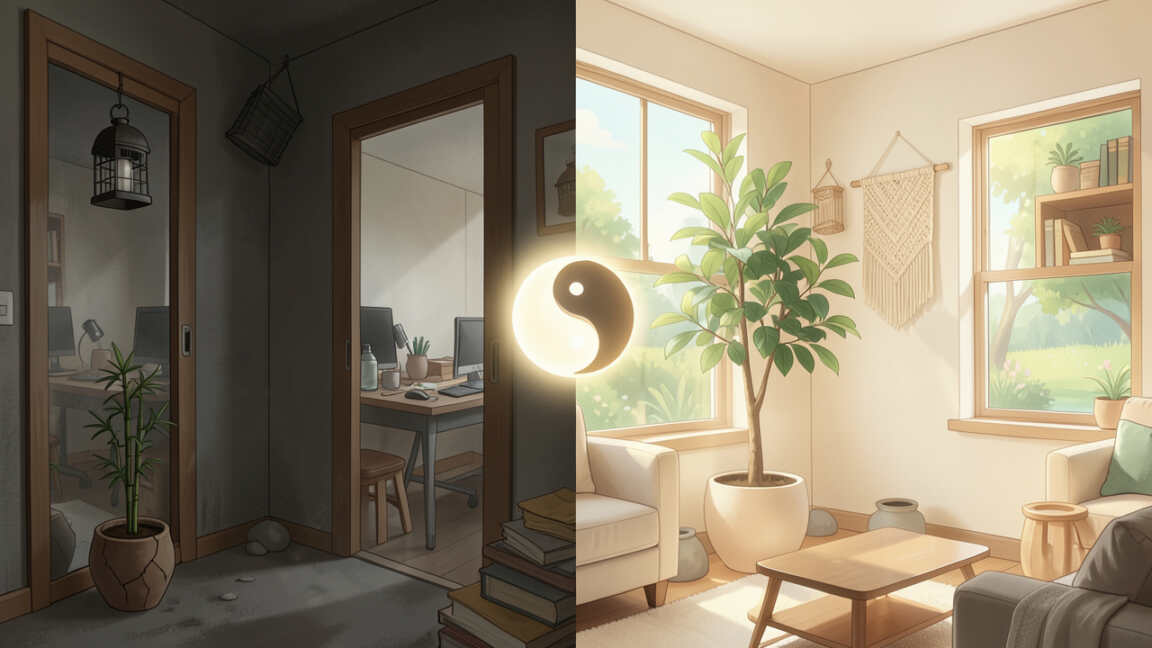
Many misconceptions surround Feng Shui and the five elements. Here are the most common myths and the real facts.
Myth 1: Feng Shui requires expensive renovations
Fact: You can apply the five elements with small, affordable changes. A new plant, a different colored cushion, or rearranging furniture all count. According to Feng Shui practitioners, even moving a single object can shift the energy in a room.
Myth 2: Furniture placement alone fixes everything
Fact: Furniture placement matters, but the five elements of Feng Shui involve color, material, shape, and texture too. A room with perfect furniture placement but no element balance still feels off. The elements work together with layout.
Myth 3: Feng Shui is just superstition
Fact: Many Feng Shui principles align with modern environmental psychology. Studies show that natural materials reduce stress, colors affect mood, and clutter impacts focus. The five elements provide a structured way to apply these insights to your home.
Pro Tips for Using the Five Elements
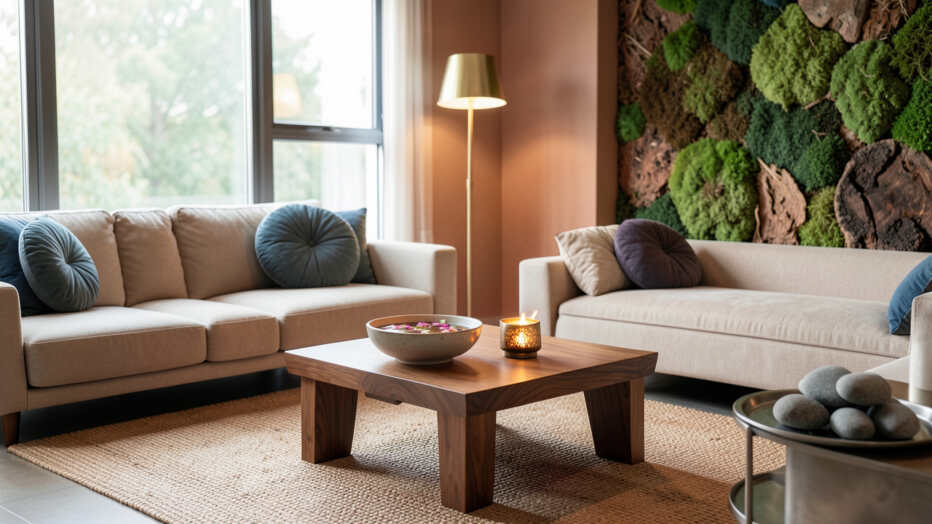
These practical tips will help you apply the five elements with confidence and avoid common mistakes.
- Start with one room. Pick the room where you spend the most time. Apply the five elements there before moving to other spaces. This prevents overwhelm.
- Use the Bagua map. Draw your home’s floor plan and overlay the Bagua grid. This shows you which areas correspond to which life aspects and elements. Focus on the areas that matter most to you right now.
- Layer elements gradually. Add one element at a time. Live with it for a few days. Notice how the room feels. Then add the next element. This helps you tune into subtle energy shifts.
- Combine elements intentionally. Pair Wood with Water for growth. Pair Earth with Fire for warmth and stability. Pair Metal with Water for clarity and flow. Avoid pairing directly opposing elements in the destructive cycle.
- Refresh elements seasonally. Each season tends toward one element. Spring favors Wood. Summer favors Fire. Late summer favors Earth. Autumn favors Metal. Winter favors Water. Adjust your decor to align with the season for stronger energy.
Tip: Use a single statement piece to anchor each element. A large plant for Wood. A red rug for Fire. A ceramic bowl for Earth. A round mirror for Metal. A blue painting for Water. One strong object works better than many small ones.
Resources and Tools
These resources can help you dive deeper into the five elements of Feng Shui and apply them to your home design.
- Bagua Map Guide – A printable diagram showing how to map the eight life areas to your floor plan.
- Feng Shui Society – An international organization offering directories of certified Feng Shui consultants.
- National Association of Realtors – Research on home staging and buyer preferences that overlap with Feng Shui principles.
- American Institute of Architects – Resources on biophilic design and natural materials that align with Wood and Earth elements.
- Western School of Feng Shui – Online courses and certifications for learning the five elements and Bagua system.
Frequently Asked Questions
What are the five elements of Feng Shui in home design?
The five elements are Wood, Fire, Earth, Metal, and Water. Each element carries specific qualities, colors, shapes, and materials. In home design, you use these elements to create balanced energy flow and support different areas of your life, such as career, relationships, and health.
How do I know which element my home needs?
Look at the colors and materials already dominant in your space. Then consider which life areas you want to improve. For career growth, add Water elements. For more passion, add Fire elements. For stability, add Earth elements. The can help you match life areas to specific elements.
Can I use all five elements in one room?
Yes, but balance is critical. One element should dominate, with one or two supporting elements. Using all five in equal amounts creates visual chaos. Choose one element as the primary and use the productive cycle to select supporting elements.
What happens if I use the wrong element in a room?
You may feel uncomfortable or notice that the room energy feels off. For example, too much Fire in a bedroom can cause restlessness. Too much Water in a living room can create emotional heaviness. The fix is simple – add a controlling element from the destructive cycle or remove the excess element.
Is professional help needed for Feng Shui element design?
No. You can apply the five elements yourself using the principles in this guide. Start with one room and one element. Experiment and observe how the space feels. If you have a complex home layout or specific challenges, a certified Feng Shui consultant can provide personalized advice.
Final Thoughts
The five elements of Feng Shui offer a practical, time-tested way to improve how your home feels and supports you. Start with one room and one element that matches your current goals. Small intentional changes to color, material, and shape can shift the energy in your space. Trust your own sense of what feels right as you experiment with Wood, Fire, Earth, Metal, and Water in your home.