Feng Shui Tips for Small Apartments
Feng Shui for small apartments applies core principles of chi flow, the Bagua map, and the five elements to maximize energy and space in compact living areas. Clearing clutter is the essential first step, as it allows chi energy to move freely and reduces stress, while mirrors placed opposite windows visually double the room’s size. Positioning your bed, desk, and stove in the command position—where you can see the door without being directly in line with it—creates a sense of security and balance.
Small apartments often feel cramped and chaotic. This guide gives you practical Feng Shui Tips for Small Apartments to create a calm and balanced home.
Quick Verdict: Feng shui for small apartments focuses on clearing clutter, using mirrors wisely, choosing the right colors, and positioning furniture for good energy flow. These adjustments make a small space feel larger, calmer, and more supportive of your daily life.
Key Takeaways
- A clutter-free home allows chi energy to flow freely and reduces stress, which is the first rule of feng shui for any small space.
- Mirrors placed opposite windows reflect light and views, making a small apartment feel twice as large without adding anything physical.
- The command position rule applies to your bed, desk, and stove – place them so you can see the door without being directly in line with it.
- Using the five elements (wood, fire, earth, metal, water) in small doses through decor creates balance without overcrowding your apartment.
- Natural light and proper air circulation are essential for positive chi in small spaces where energy can easily feel stagnant.
What Is Feng Shui and How Does It Apply to Small Apartments
Feng shui is an ancient Chinese practice that arranges your environment to support health, prosperity, and well-being. The core idea is that your surroundings affect your energy, or chi. In a small apartment, that impact becomes even stronger.
Every object, color, and piece of furniture either helps or blocks the flow of energy. When you apply Feng Shui Tips for Small Apartments, you remove energy blocks and create a space that feels open and supportive.
The Core Principle of Chi Flow
Chi is the life force that moves through everything. In a small apartment, chi moves faster because the space is tight. Your job is to slow it down and guide it gently through the room.
According to, visual clutter limits your brain’s ability to process information. That means a cluttered small apartment actually makes it harder to think clearly. Clearing that clutter is the first step to improving chi.
The Bagua Map and Small Spaces
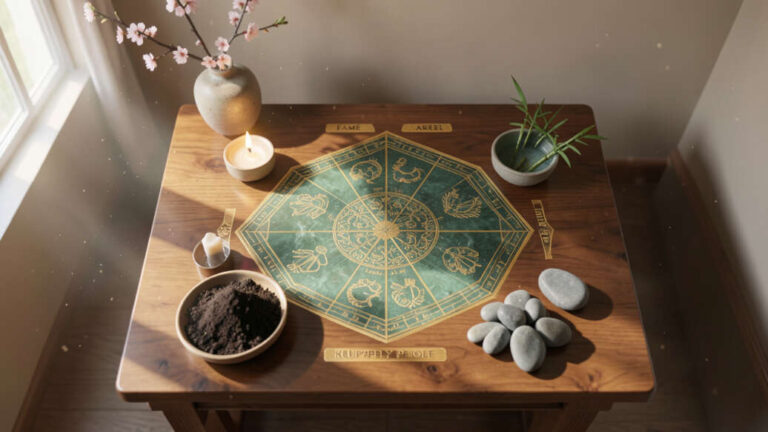
The bagua map is a feng shui tool that divides your home into nine areas, each linked to a different life aspect: wealth, fame, love, family, health, creativity, knowledge, career, and helpful people. In a small apartment, you do not have to map the whole place. Focus on the areas you use most.
- Your front door area relates to career and opportunities – keep it clean and welcoming.
- The far left corner from your entrance is the wealth corner – add a small plant or a purple accent.
- The far right corner is the love area – use pairs of objects like two candles or two crystals.
- The center of your home is health and balance – keep it open and uncluttered.
Warning: Do not try to apply all nine bagua areas in a tiny apartment. Focus on the three areas that matter most to you right now. Overloading a small space with feng shui tools creates clutter, which defeats the purpose.
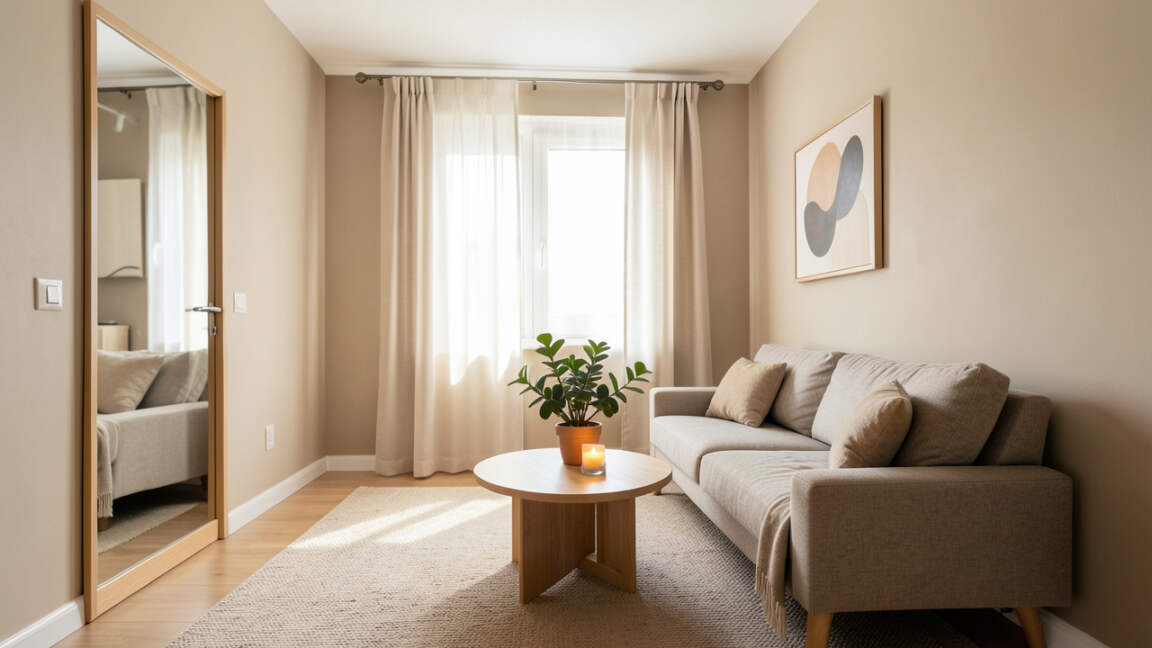
Essential Feng Shui Tips for Small Apartments
These are the adjustments that make the biggest difference in a compact home. Each one is easy to do and costs little to nothing.
Clear the Clutter First
Clutter is the number one chi blocker. In a small apartment, clutter takes up physical space and mental energy. According to a, women who described their homes as cluttered had higher cortisol levels throughout the day.
Remove anything you have not used in six months. Keep surfaces clean. Store items out of sight in baskets, boxes, or cabinets. A clear surface lets energy settle and rest.
Use Mirrors to Expand Space
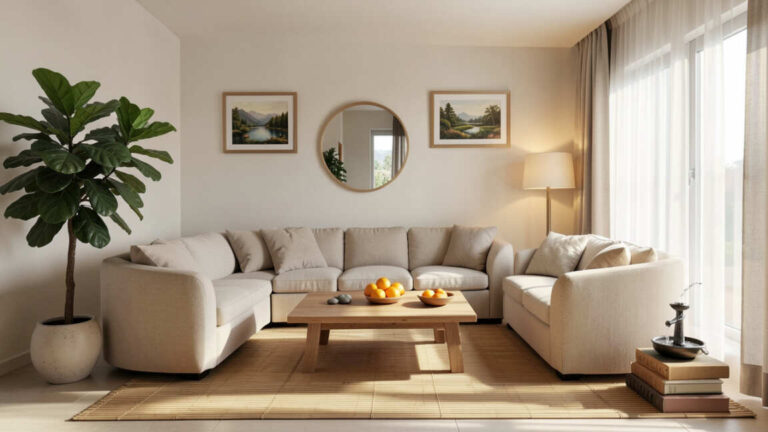
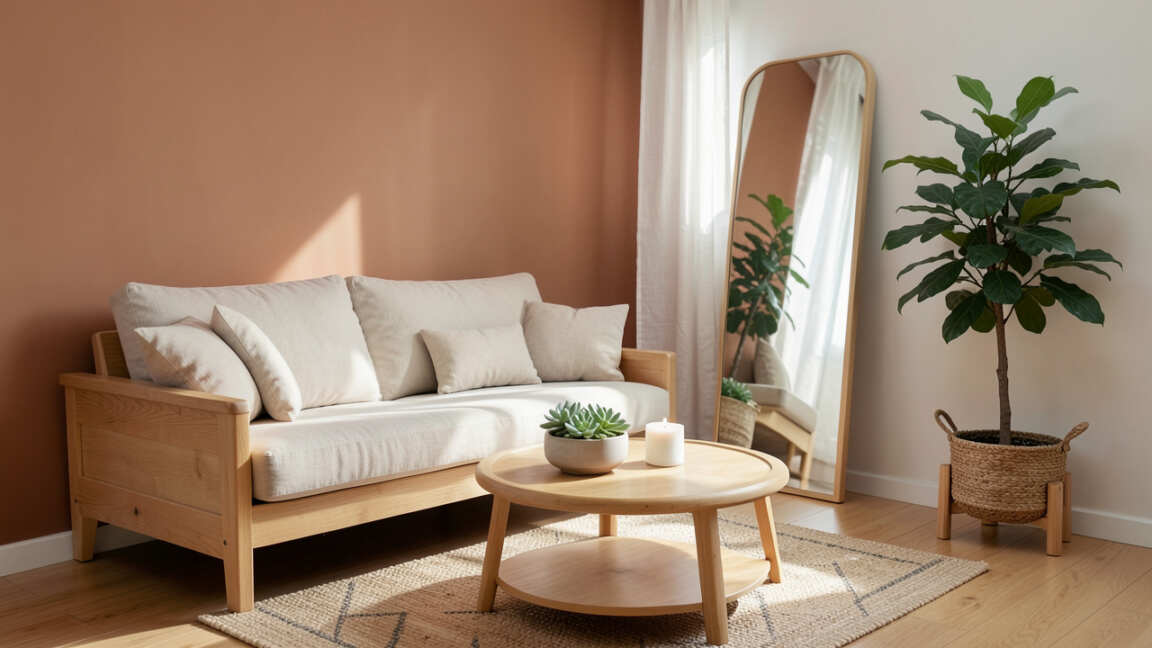
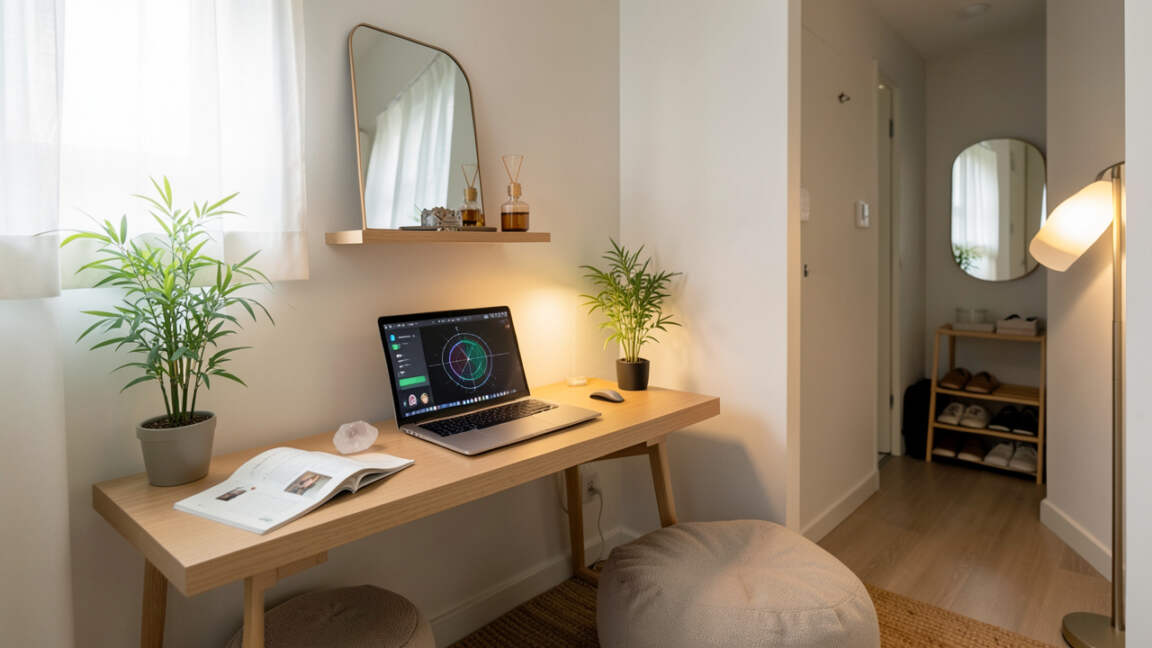
Mirrors are one of the most powerful tools in feng shui. They reflect light, energy, and views. Place a mirror opposite a window to bring the outdoors inside. This trick makes any small apartment look and feel larger.
Do not place mirrors directly facing the front door. That pushes energy back outside. Also avoid mirrors facing your bed, as they can disturb sleep.
Choose Colors That Support the Space
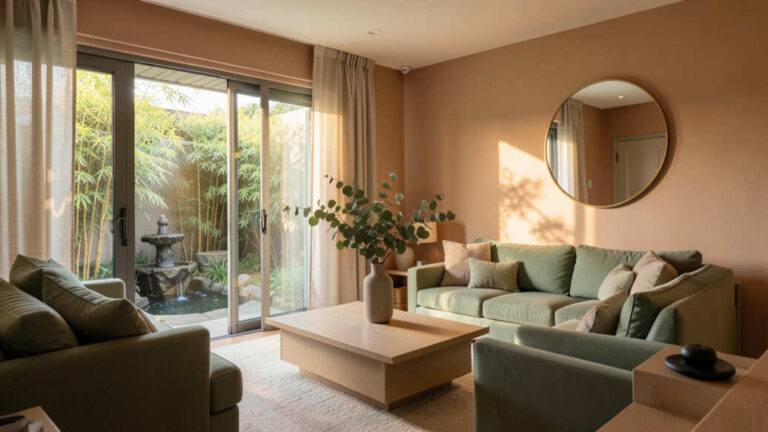
Color affects mood and energy. In a small apartment, light colors are your best friend. They reflect light and make rooms feel bigger. Use white, beige, soft gray, or light blue on walls.
Add pops of color in small doses through pillows, rugs, or art. Use the five elements as a guide:
| Element | Colors | Best For | Small Space Tip |
|---|---|---|---|
| Wood | Green, brown | Growth, health, family | Use a single potted plant |
| Fire | Red, orange, purple | Fame, passion, recognition | Add one red pillow or candle |
| Earth | Yellow, beige, terracotta | Stability, health, relationships | Use in rugs or ceramic bowls |
| Metal | White, gray, silver | Clarity, focus, creativity | Add a metal frame or small sculpture |
| Water | Blue, black | Career, wisdom, flow | Use a small fountain or blue art |
Position Furniture in the Command Position
The command position is the spot where you can see the door without being directly in front of it. This applies to three main pieces of furniture:
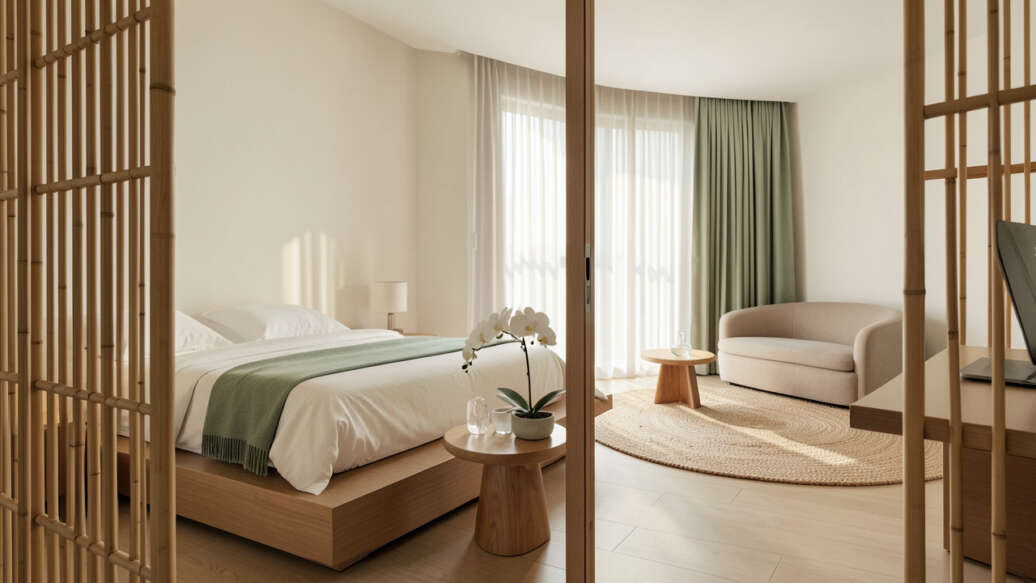
- Your bed – Place it so you can see the bedroom door from your pillow but are not in direct line with it. Do not place your bed under a window.
- Your desk – Sit facing the door if possible. If the room layout does not allow it, use a small mirror to see the entry behind you.
- Your stove – You should be able to see the kitchen door while cooking. If not, place a reflective backsplash or a small mirror near the stove.
Important: The command position is not about control. It is about feeling safe and aware in your space. When you feel safe, your body relaxes and your energy improves.
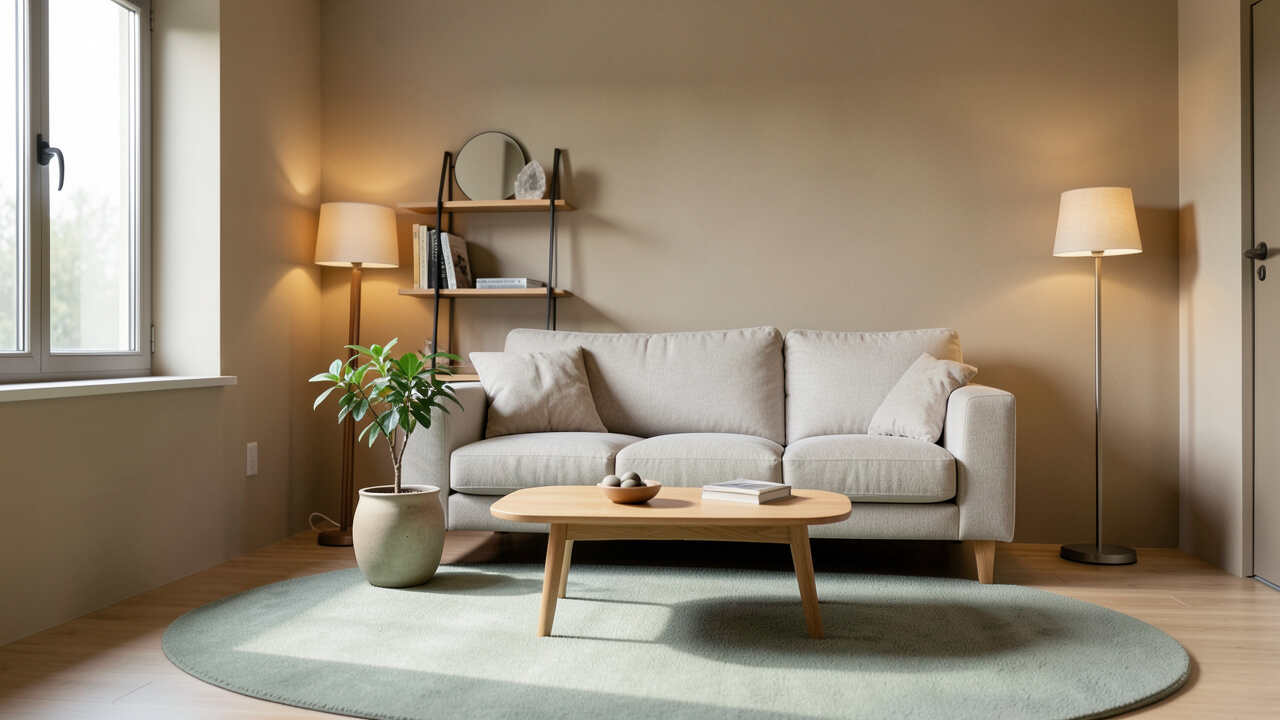
Step-by-Step Process to Apply Feng Shui in Your Small Apartment
Follow these steps in order. Do not skip the decluttering phase. It is the foundation of everything else.
- Declutter every surface – Clear countertops, tables, and floors. Remove anything that does not serve a purpose. Donate or discard items you have not used in six months.
- Clean your space thoroughly – Dust, vacuum, and wash windows. Clean blinds and curtains. Fresh air and clean surfaces support good chi.
- Assess your bagua map – Identify the three areas of your apartment that correspond to your biggest life goals right now. Focus your feng shui adjustments there.
- Place mirrors strategically – Hang one mirror opposite a window to reflect light. Use a second mirror in a dim corner to brighten it. Avoid mirrors facing the front door or the bed.
- Choose a color palette – Pick two or three light neutrals for walls and large furniture. Add one or two accent colors from the five elements based on your goals.
- Arrange furniture in command position – Adjust your bed, desk, and stove so you can see the door. Use mirrors if the layout forces your back to the door.
- Add natural elements – Place one living plant in the wealth corner and one in the health center. Use natural materials like wood, bamboo, or cotton where possible.
- Incorporate the five elements – Add a small fountain or blue art for water, a candle for fire, a ceramic bowl for earth, a metal frame for metal, and a plant for wood. Use each in small doses.
- Optimize lighting and air – Open curtains during the day. Use warm light bulbs. Open windows daily for fresh air. Use a fan or air purifier to keep air moving.
- Maintain the practice – Spend five minutes each morning tidying up. Dust surfaces weekly. Rotate decorative items seasonally to keep energy fresh.
Tip: Do not try to do all ten steps in one day. Spread them out over two weekends. Work through the steps in order and give yourself time to feel the changes in each room.
Costs and Timeline for Feng Shui Adjustments
Feng shui does not require expensive purchases. The biggest investments are your time and attention.
| Adjustment | Cost | Time Required | Impact Level |
|---|---|---|---|
| Decluttering | $0 | 2-4 hours per room | Very High |
| Mirror placement | $10-$50 per mirror | 30 minutes | High |
| Color adjustments | $0 (use existing decor) | 1-2 hours | Medium |
| Furniture rearrangement | $0 | 1-3 hours per room | Very High |
| Plants and natural elements | $10-$30 per plant | 30 minutes | Medium |
| Lighting and air upgrades | $5-$50 | 1-2 hours | High |
Most people see noticeable improvements within one to two weeks. Sleep quality often improves first. The sense of calm and openness in your space follows within a month.
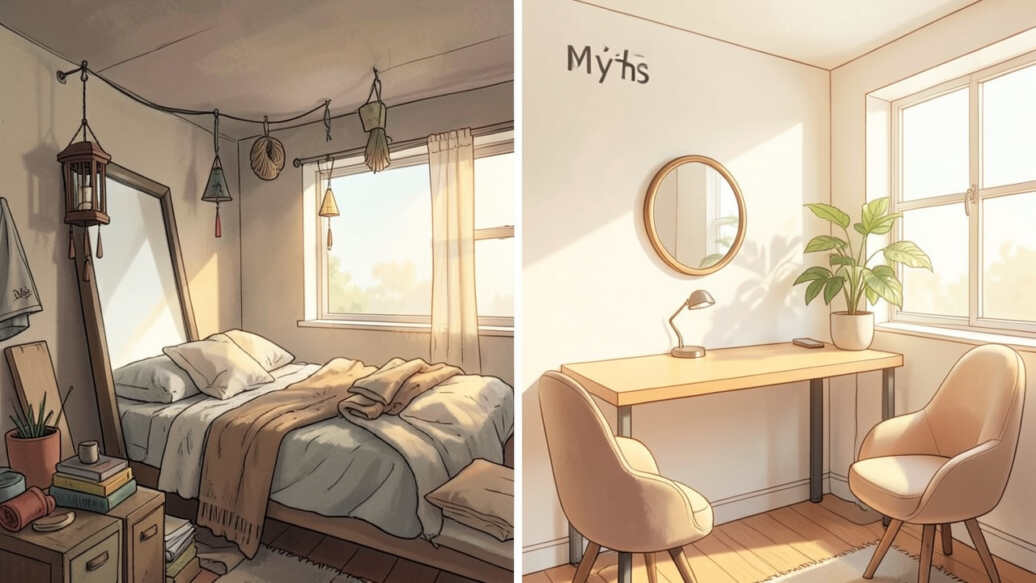
Common Myths vs Facts in Small Apartment Feng Shui
Many people think feng shui is complicated or requires special tools. These myths stop you from trying it in a small space.
Myth 1: You Need a Full Consultation to Do Feng Shui Right
You do not need a professional consultant to apply basic feng shui. The core principles are simple: declutter, arrange furniture for visibility, use mirrors to expand space, and add natural elements. A consultant helps with complex layouts, but for a small apartment, you can handle it yourself.
Myth 2: Feng Shui Only Works in Large Homes
Feng shui works especially well in small spaces. The impact of each adjustment is stronger because the space is compact. A single mirror placed correctly can change the entire feel of a studio apartment. A small plant in the right corner can shift energy noticeably.
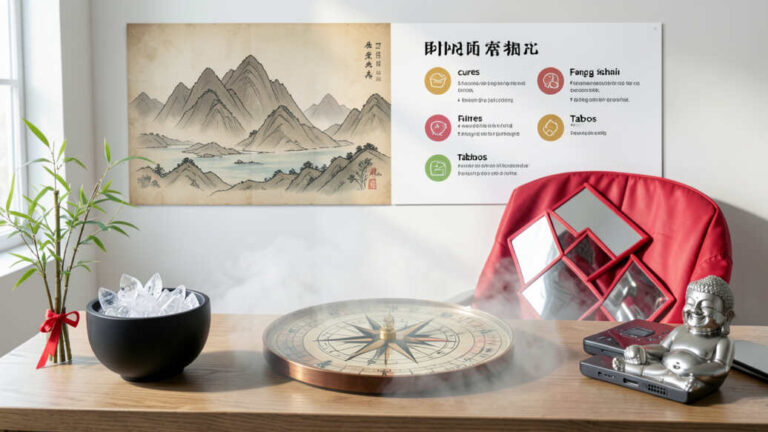
Myth 3: You Must Buy Expensive Crystals and Wind Chimes
Feng shui does not require any purchases. Crystals, wind chimes, and fountains are optional tools, not requirements. The most powerful changes cost nothing: decluttering, cleaning, and rearranging furniture. Save your money for a good mirror or a healthy plant if you want a small investment.
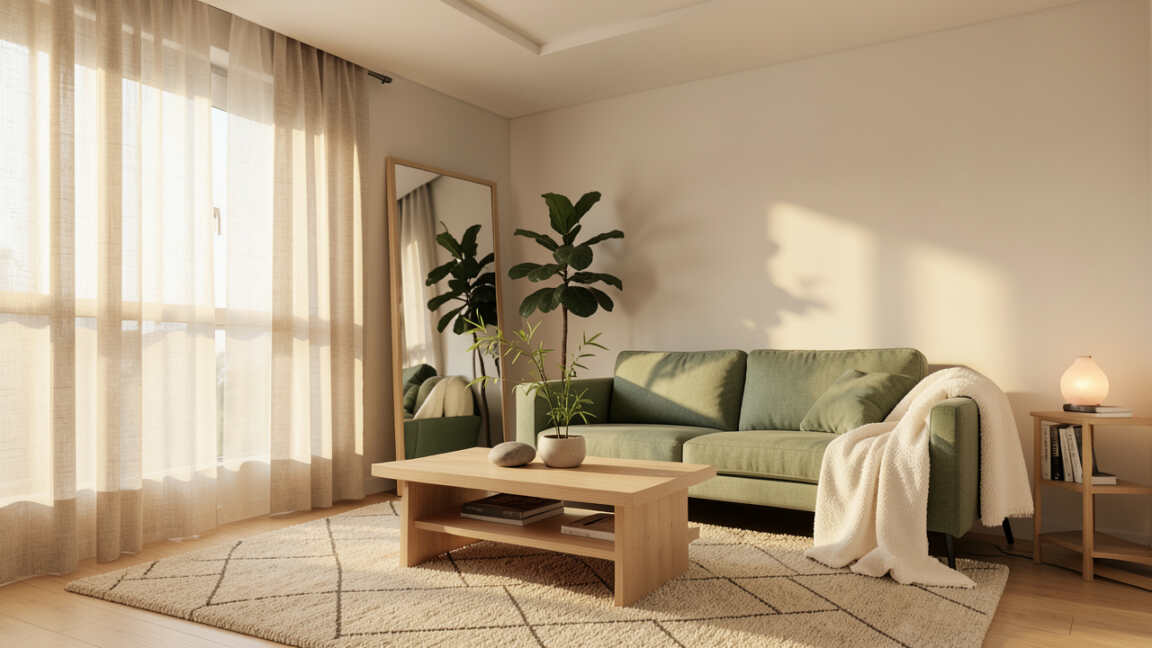
Pro Tips for Long-Term Success
These tips go beyond the basics. They help you maintain good feng shui as your life and space change.
- Rotate items seasonally – Swap out pillows, throws, and decorative objects every three months. This keeps energy moving and prevents stagnation in a small space.
- Use vertical space wisely – Hang shelves high on walls to draw the eye upward. This makes ceilings feel taller and the room feel larger. Do not overcrowd the shelves.
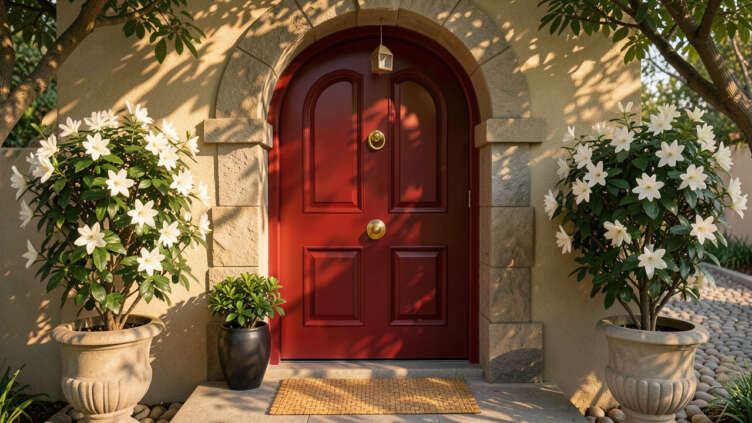
- Keep the front door area clear – The entrance is where chi enters your home. Do not stack shoes, mail, or coats near the door. Keep this area clean and welcoming.
- Avoid sharp corners pointing at furniture – Sharp edges create sha chi, or killing energy. Place a plant or a soft fabric in front of sharp corners to soften the energy.
- Use pairs in love and relationship areas – Place two identical objects side by side in the far right corner of your apartment. This symbolizes partnership and balance.
Important: Trust your own feeling about your space. If an adjustment does not feel right, change it. Feng shui is a personal practice. Your comfort is the most important measure of success.
Resources and Tools
These resources help you go deeper into feng shui for small apartments. Use them as references when you need guidance on a specific room or issue.
- Rodika Tchi’s Feng Shui Guide – A comprehensive online resource covering all aspects of feng shui for beginners and advanced practitioners.
- Marie Kondo’s KonMari Method – A decluttering system that pairs perfectly with feng shui. Her method helps you clear physical and energetic clutter.
- International Feng Shui Guild – A professional organization that offers directories of certified consultants and educational materials.
- The Feng Shui Society – A UK-based nonprofit that provides articles, events, and practitioner listings.
- National Sleep Foundation – Offers research and tips on creating a bedroom environment that supports restful sleep.
Frequently Asked Questions
Can I do feng shui in a rented apartment without making permanent changes?
Yes. All the adjustments in this guide are renter-friendly. You do not need to paint walls or install fixtures. Use removable mirrors, peel-and-stick wallpaper for small accents, and rearrange furniture. Your landlord will never know.
What is the most important feng shui tip for a studio apartment?
Define separate zones using furniture placement, rugs, and lighting. A studio has one room for everything. Use a bookshelf or a curtain to create a visual boundary between your sleeping area and living area. This helps energy flow more intentionally.
Do I need a bagua map for a small apartment?
You do not need one to start. The bagua map is helpful but optional. Focus on the core principles first: declutter, command position, mirrors, and natural light. Add the bagua map later if you want to target specific life areas.
Are there any plants that are bad for feng shui in small apartments?
Plants with sharp or spiky leaves, such as cacti or yucca, can create cutting energy. They are best placed near entryways for protection or outside the home. For indoor feng shui, choose rounded, soft-leaf plants like pothos, snake plants, or peace lilies.
How often should I clean and reset my apartment for good feng shui?
Clean and tidy your space weekly. Do a deeper reset every season. Open windows, dust all surfaces, rotate decorative items, and prune or replace plants. Seasonal resets keep energy fresh and prevent stagnation.
Final Thoughts
Feng shui in a small apartment starts with clearing clutter and arranging furniture for comfort and visibility. Mirrors, plants, and thoughtful colors do the rest. You do not need a big budget or a professional consultant. Start with one room this weekend and feel the difference.