Common Feng Shui Mistakes to Avoid at Home
Common Feng Shui mistakes to avoid at home include cluttering the entryway, placing a bed under a window, hanging a mirror that faces the front door, letting sharp corners point at sitting and sleeping areas, and keeping dead plants indoors. These errors block the flow of chi, creating restless sleep, stalled opportunities, and stagnant energy throughout the house. Fixing these five placement issues immediately restores energetic balance and practical harmony in any home.
Many people want good energy in their home but accidentally block it with small errors. You will learn the most common Feng Shui mistakes to avoid at home and how to fix them.
Quick Verdict: The most damaging Feng Shui mistakes include cluttering the entryway, placing a bed under a window, hanging mirrors facing the front door, letting sharp corners point at sitting areas, and filling the home with dead plants. Each mistake blocks the flow of good energy, called chi. Fixing these five issues improves the energy in any home.
Key Takeaways
- Clutter near the front door stops positive chi from entering your home and blocks new opportunities.
- A bed placed under a window creates restless sleep because energy cannot settle around you.
- A mirror that faces the front door pushes good energy back outside before it can circulate.
- Sharp corners from furniture or walls aim negative energy, called sha chi, at your sitting and sleeping areas.
- Dead plants and dried flowers in your home weaken the energy of growth and renewal in your space.
What Is Feng Shui and Why Does Placement Matter?
Feng Shui is an ancient Chinese practice that arranges spaces to create balance and harmony. The core idea is that everything in your home has an energy, or chi. You want this energy to flow freely, not get stuck or rush too fast.
Bad placement of furniture and objects can block chi. According to, about 30 percent of Americans agree with some core principles of Feng Shui. Even if you do not follow it fully, the concepts still make sense. A cluttered room feels stressful. A dark room feels draining. These are real effects on your mood and health.
Many people make small mistakes that add up to big problems. You can fix most of them in a single weekend.
Why the Front Door Is the Most Important Spot
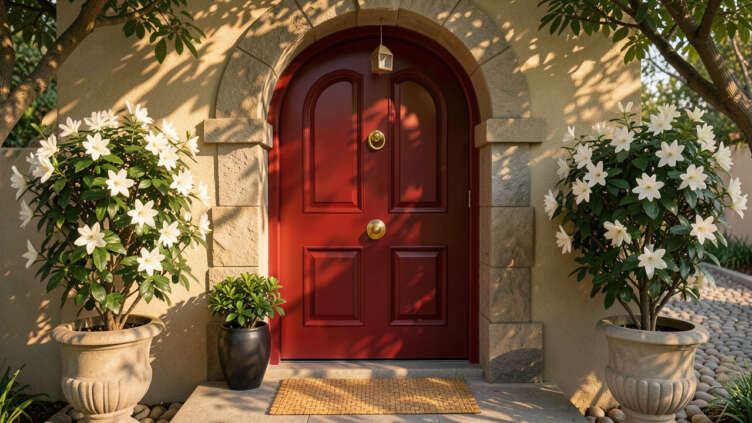
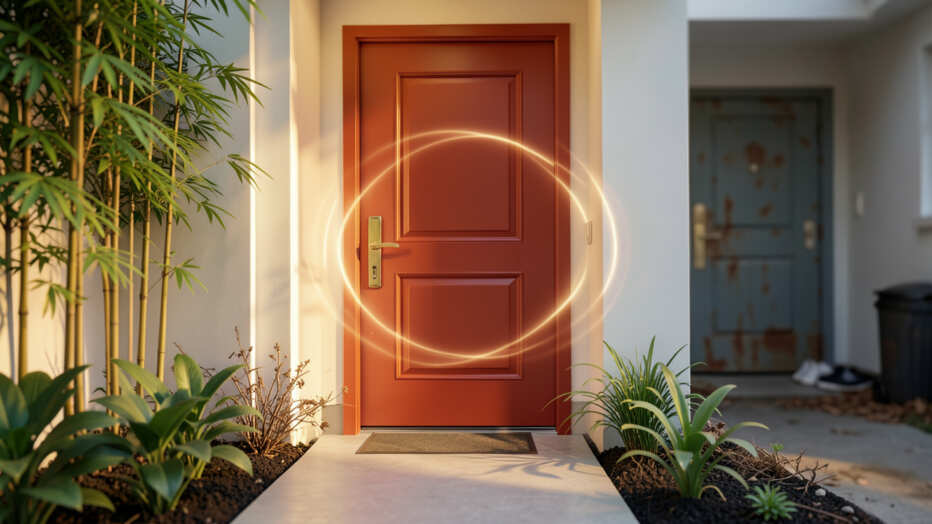
The front door is the mouth of chi. This is where energy enters your home. If you block it, you block everything else.
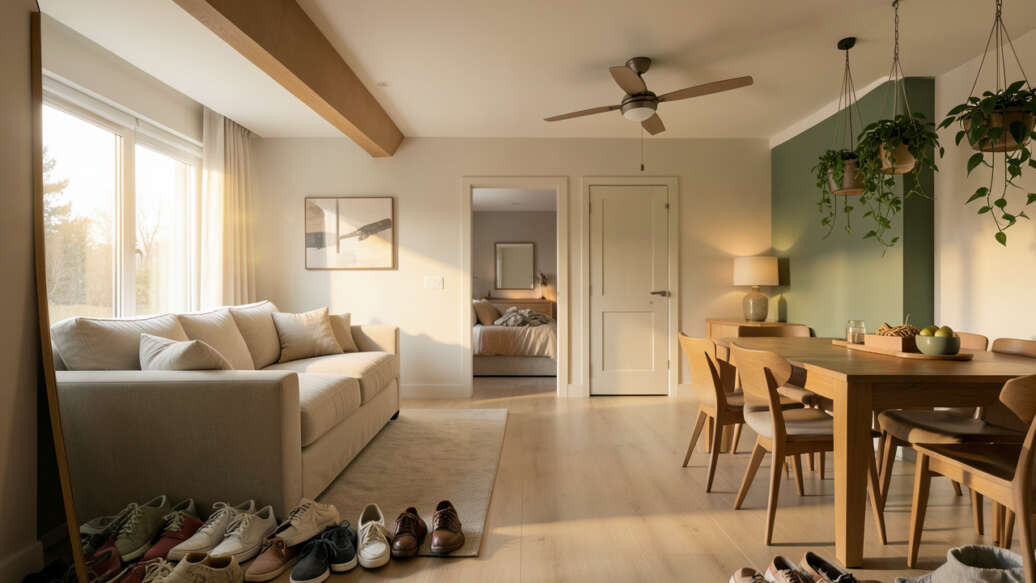
Mistake 1: Clutter right inside the front door. Shoes, coats, mail, bags, and packages create a jam. Energy cannot flow past a pile of stuff. This creates stagnation in your entire life, especially your career and health.
How to fix it: Keep the entryway clear. Use a small table with a tray for keys. Store shoes in a closed cabinet. Hang coats in a closet, not on hooks near the door. The path from the door into your home should be at least three feet wide.
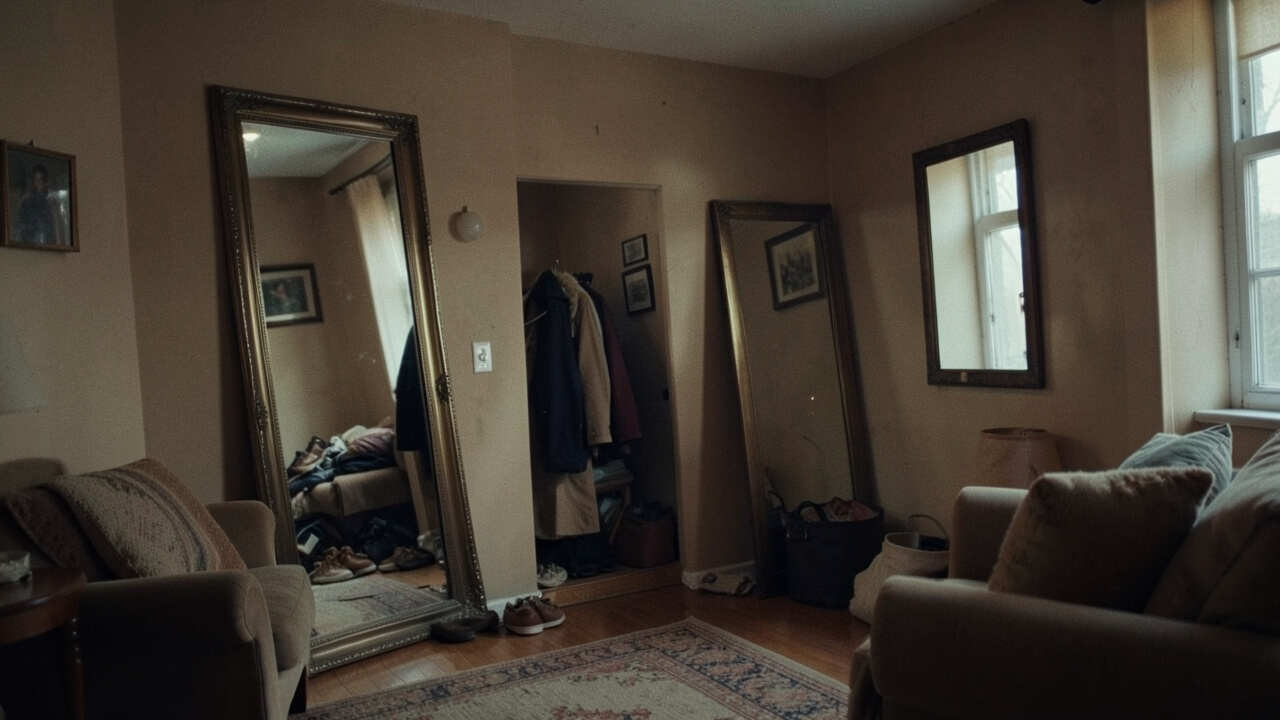
Warning: Avoid putting a mirror directly across from your front door. It reflects the incoming chi right back outside. This can push away job opportunities and helpful people. If you have this setup, move the mirror to a side wall.
How the Bedroom Affects Your Sleep and Relationships
The bedroom is your place for rest and intimacy. Mistakes here cause tiredness and arguments. This is one of the most common Feng Shui mistakes to avoid at home.
Mistake 2: Placing the bed under a window. When you sleep under a window, your energy leaves through the glass. You wake up feeling drained. You may also feel unsafe because the bed has no solid wall behind it.
Mistake 3: Putting the bed in direct line with the door. This is called the coffin position. The door points right at your sleeping body. This creates anxiety and stress during sleep.
How to fix these: Place the bed against a solid wall, not under a window. Make sure you can see the bedroom door from the bed, but do not lie directly in line with it. Use a solid headboard. This gives you support and safety.
Mistake 4: Putting a TV or desk in the bedroom. The bedroom should be for sleep and romance only. Electronics bring work energy into a rest space. This disturbs sleep quality.
According to research from the, poor sleep environments contribute to higher stress and lower life satisfaction. Moving work out of the bedroom improves your rest.
What to Do With Mirrors in Your Home
Mirrors are powerful Feng Shui tools. They double energy, expand space, and reflect light. But they cause problems in the wrong spots.
Mistake 5: Reflecting a cluttered area in a mirror. A mirror doubles whatever it shows. If it reflects a messy corner, you double that chaotic energy. This creates double the stress.
Mistake 6: Placing mirrors in the kitchen facing the stove. The stove represents wealth in Feng Shui. A mirror that reflects the stove is good in some traditions, but it can also create too much fire energy. This leads to arguments in the home.
Mistake 7: Hanging a mirror at the end of a hallway or in front of stairs. This pushes energy out of the home or makes it run down the stairs too fast. Energy needs to flow slowly, not race out.
| Mirror Location | Effect | Fix |
|---|---|---|
| Facing front door | Pushes chi back outside | Move to a side wall |
| In the bedroom facing the bed | Can invite a third party into the relationship | Place inside a closet door |
| At end of hallway | Energy bounces back, creating confusion | Use art instead of a mirror |
| In the dining room | Doubles abundance and food energy | Good placement, keep it clean |
Tip: The best spot for a mirror is in the dining room, where it doubles the food and the family energy. A round mirror is better than a square one because round shapes soften energy.
How to Handle Plants and Natural Elements
Plants bring life energy into a home. They clean the air and add green, growing chi. But certain choices weaken your space.
Mistake 8: Keeping dead or dying plants. A brown, crispy plant sends a message of death and stagnation. It pulls down the energy of the room. If a plant is dying, remove it immediately. Do not wait to see if it recovers.
Mistake 9: Using dried flowers or fake plants. Dried flowers have no life energy. They are dead matter. Fake plants look like living things but have no real chi. They create stagnant energy over time.
Mistake 10: Choosing plants with sharp, spiky leaves. Plants like cacti and agave have sharp points that send out cutting energy. This is called poison arrow energy. It is fine in a garden but not inside where people relax.
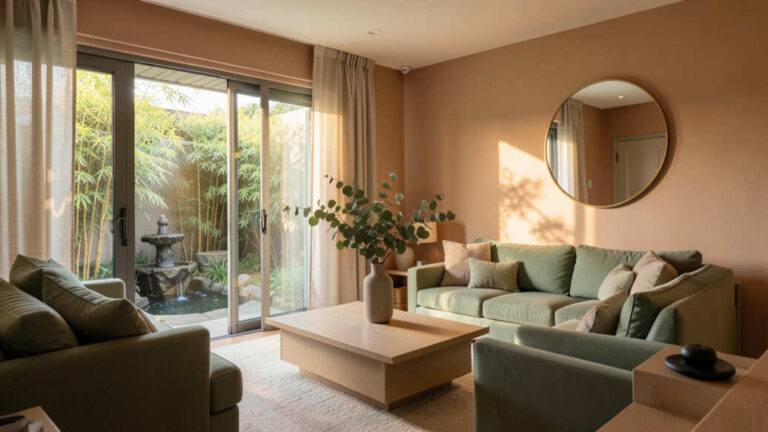
How to fix these: Use real, healthy plants with round or soft leaves. Good examples are pothos, snake plant, peace lily, and ficus. Place them in living rooms and offices. Keep them watered and trimmed.
The reports that adding live plants to a room reduces stress and improves air quality. This matches the Feng Shui principle of using living elements to boost chi.
How to Fix the Kitchen and Bathroom Issues
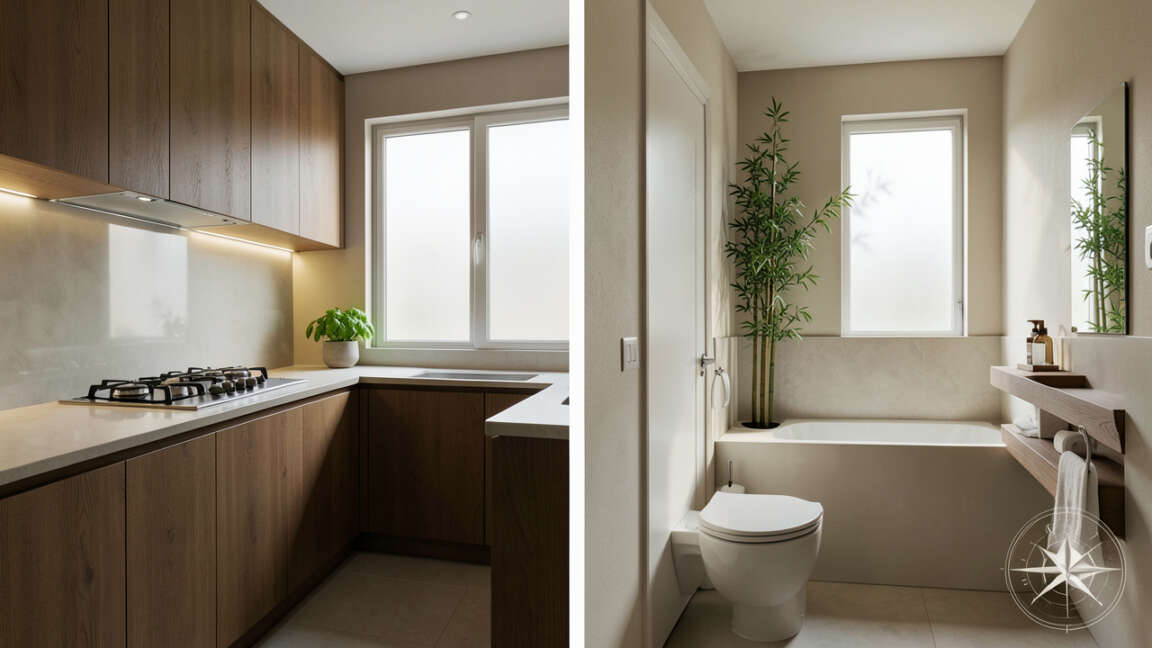
The kitchen represents wealth and health. The bathroom represents drainage. Both need special attention.
Mistake 11: The stove is next to the sink or refrigerator. The stove is fire. The sink is water. These two elements fight each other. This creates conflict between your financial goals and your spending habits.
Mistake 12: Leaving the toilet lid up. In Feng Shui, the toilet drains energy. Leaving the lid open lets good chi flush away. Keep the lid down when you are not using it. Close the bathroom door too.
Mistake 13: Having a bathroom door open into the kitchen. This puts waste and food energy together. It is unhygienic and bad for chi. Keep the bathroom door closed at all times.
Important: Always close the bathroom door and keep the toilet lid down. You block the drain on your finances. This is one of the easiest Feng Shui mistakes to avoid at home because it takes one second to fix.
What About Sharp Corners and Overhead Beams
Sharp corners are common in modern architecture. They create sha chi, which is fast, harsh energy. You want to soften these edges.
Mistake 14: Sitting directly under a beam. A beam above your head or bed presses down on you. This creates pressure and stress. It can cause headaches and relationship tension.
Mistake 15: Pointing sharp furniture corners at the bed or sofa. Rectangular tables and cabinets often have sharp corners that aim right at where you sit or sleep. This feels like someone is pointing a finger at you all the time.
How to fix these: Cover beams with a hanging canopy or fabric. Round off sharp corners with plants, furniture placement, or fabric covers. Place a round rug under a sharp table to soften the energy. Use cushions and throws to break sharp lines.
Common Myths vs Facts About Feng Shui Mistakes
Myth: Feng Shui is only superstition with no practical basis.
Fact: Feng Shui principles overlap with modern environmental psychology. Cleaning clutter, improving lighting, and arranging furniture for comfort all have real effects on your mood. The has published studies showing that home environments affect stress levels and decision making.
Myth: You need expensive tools like crystals and special symbols to do it correctly.
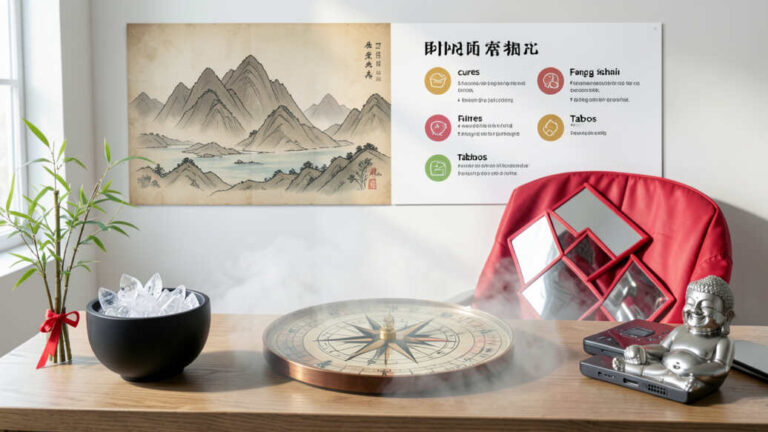
Fact: You do not need to buy anything to practice Feng Shui. The most powerful changes are free: decluttering, rearranging furniture, and letting in more natural light. Tools like mirrors and plants are helpful but not required.
Myth: You must follow strict rules or bad luck will happen.
Fact: Feng Shui is about improving your environment, not about attracting bad luck. There are no punishments. If you make a mistake, you can fix it. The goal is positive energy and comfort, not fear.
Pro Tips for Better Energy at Home
- Start with one room. Do not try to fix your whole house in one day. Pick the room where you spend the most time. Fix the three biggest mistakes in that room first.
- Remove all clutter before you rearrange anything. Decluttering is the most powerful Feng Shui change. Get rid of things you do not use, need, or love.
- Let in natural light every morning. Open curtains and blinds for at least 15 minutes. Natural light energizes your home and your body.
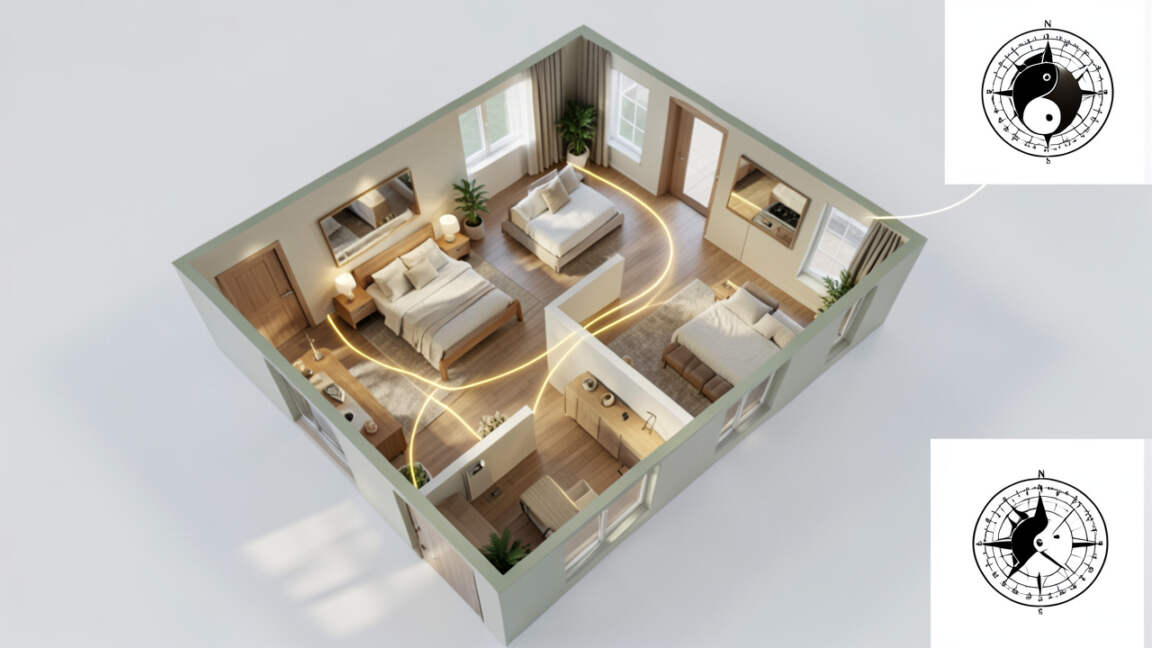
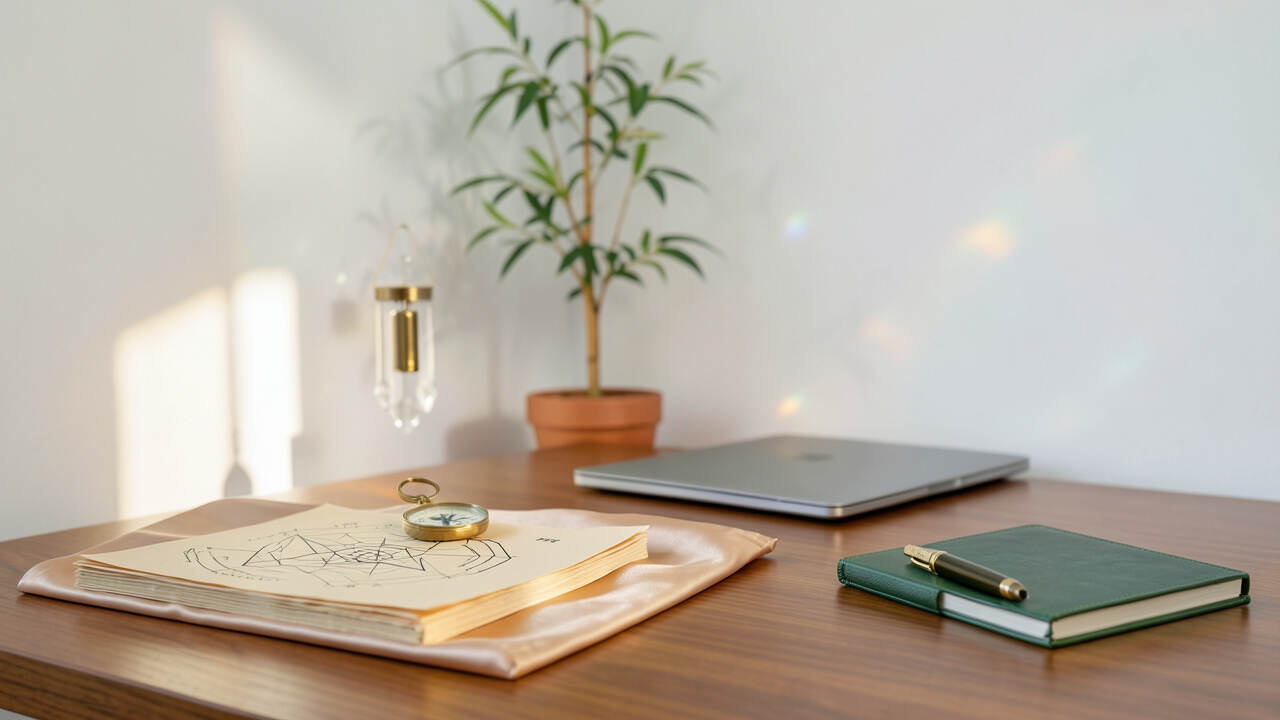
- Use the bagua map to find problem areas. The bagua map is a simple tool that shows where different life areas are in your home. You can find free versions online. Use it to check your career corner, wealth corner, and relationship corner.
- Test the energy with your own body. Sit in a chair in the room. Do you feel calm and comfortable? If you feel tense or distracted, find the source. Your body is the best Feng Shui tool.
Resources and Tools
- Bagua Map Tool – A free PDF map to help you identify the energy zones in your home.
- Feng Shui Society – A UK-based organization with guides, articles, and certified practitioners.
- Lillian Too’s Feng Shui Foundation – One of the most respected names in modern Feng Shui. Offers free beginner resources.
- HouseLogic by NAR – A practical guide to home maintenance and layout, not specifically Feng Shui but useful for room arrangement.
Frequently Asked Questions
Is it bad to put a bed under a window?
Yes, in Feng Shui, a bed under a window makes you feel unsupported. Energy escapes through the glass. You may wake up tired. If you have no other option, use heavy curtains and a solid headboard to create a sense of protection.
Should I get rid of all my mirrors in the bedroom?
Not necessarily. The problem is a mirror that faces the bed. If you have a large mirror on a closet door and it reflects your bed, cover it at night with a cloth. Or move the mirror to the inside of the closet door.
Can I use fake plants or dried flowers?
Feng Shui practitioners strongly advise against them. Dead or fake plants carry no life energy. They create stagnation. Real plants are better. If you cannot keep plants alive, use high-quality silk plants and clean them regularly, but know they still lack true chi.
How do I know if my front door has bad Feng Shui?
Check three things: Is there clutter blocking the door? Does a mirror face the door directly from inside the house? Is the door hard to open or broken? If you answer yes to any of these, you have a problem. Fix these three issues to improve the flow of opportunity into your home.
Do I need to hire a Feng Shui consultant?
Most people do not need one. You can fix 80 percent of the issues yourself by decluttering, rearranging furniture, and fixing mirrors. If you have tried everything and still feel stuck, a consultant can give specific advice for your unique floor plan.
Final Thoughts
Fixing common Feng Shui mistakes to avoid at home does not require a complete renovation. Start with the front door, the bedroom, and the bathroom. Clear the clutter, move the mirrors, and add healthy plants. These small changes create a home that supports your health, relationships, and finances. Your home should feel good. When the energy flows, you will feel it.