

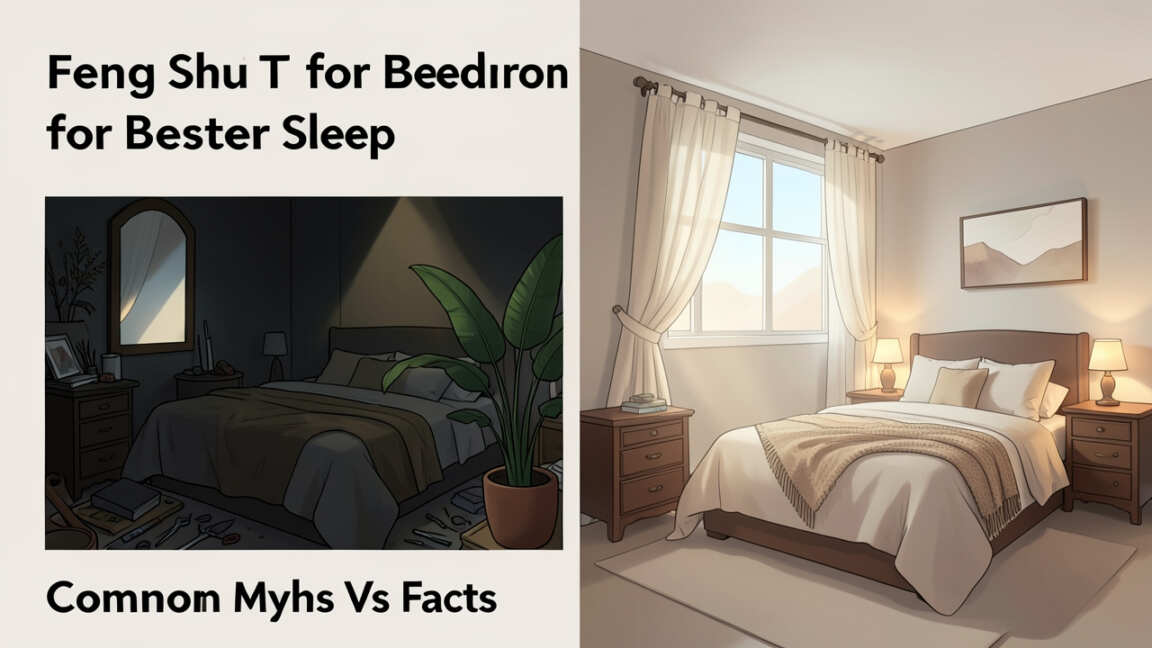
Feng Shui Tips for the Bedroom for Better Sleep
Feng Shui tips for the bedroom directly improve sleep quality by optimizing furniture placement, color choices, and the flow of energy. Positioning the bed in a commanding spot away from the door, choosing soothing earth tones, and removing electronics create a calm, supportive environment for deep rest. Applying these simple spatial adjustments reduces nighttime stress and helps you fall asleep faster and wake up more refreshed.
A generic cover letter gets deleted in seconds. A targeted one lands you the job. This guide shows you exactly how to write a blog post cover letter that proves your value from the first sentence.
Quick Verdict: Simply put, a blog post cover letter is a short, persuasive pitch that proves you understand the target blog and can deliver the specific content they need. Focus on showing, not telling. Attach relevant writing samples, reference a specific post you like, and explain exactly why your pitch works for their audience.
Key Takeaways
- A customized blog post cover letter that directly addresses the client’s needs is significantly more effective than a generic template.
- Including a specific, well-researched pitch for a blog post idea demonstrates your initiative and writing skills better than a list of past roles.
- Sending a portfolio of your best writing samples is a mandatory step to prove your capabilities and build trust with potential editors.
- Formatting your cover letter for quick scanning with short paragraphs and bolded keywords helps busy hiring managers review your application faster.
- A clear call to action at the end of your cover letter directs the client on what to do next and shows your professionalism.

What You Need Before You Start
Gather these items before you write a single word. Being prepared saves time and creates a stronger pitch.
- Your target blog’s URL and recent posts. Read 3 to 5 recent articles to understand their tone, style, and audience.
- 2 to 3 relevant writing samples. Pick posts that match the blog’s topic or format. Attach them as PDFs or links.
- A specific post idea. Think of a topic the blog has not covered yet. Check their archives to avoid duplicates.
- A professional email address. Use your name, not a nickname. Set up a simple signature with your portfolio link.
Important: Research is the most valuable part of your preparation. Editors can tell when you have skimmed their site versus when you truly understand their content strategy.

How to Write a Cover Letter for a Blog Post Step by Step
Follow these steps to write a cover letter that gets opened, read, and answered.
1. Research the Target Blog and the Job Posting
Read the blog’s about page and content guidelines. Look at their most popular posts. Find out who their ideal reader is. Then read the job posting twice. Highlight keywords like “SEO experience,” “listicles,” or “case studies.” Use these words in your cover letter to show you fit their needs.
2. Write a Specific Subject Line
The subject line is your first impression. Make it clear and specific.
Good example: “Application for Freelance Writer: John Doe – 3 Pitches for Your Fitness Blog”
Bad example: “Writer Looking for Work”
A specific subject line shows you have a plan. It also helps the editor sort your email from spam.
3. Write the Opening Paragraph
State who you are and why you are writing. Then immediately show you know their blog.
Example opening: “Hi [Editor Name], I am a freelance writer who specializes in personal finance for millennials. I have been following [Blog Name] for the last year, and I particularly enjoyed your recent post on budgeting apps for couples. I am writing to pitch a related article on building shared financial goals.”
4. Pitch Your Specific Idea in the Body
This is the most critical part of your blog post cover letter. Do not just say “I want to write for you.” Pitch a concrete idea.
- State the working title of your proposed post.
- Explain why this topic matters to their audience.
- Mention 2 to 3 specific points you will cover.
- Offer a brief outline if the topic is complex.
Tip: Linking your pitch to one of their existing posts shows you understand their content strategy and can create complementary material.
5. Add Social Proof
Mention your most relevant writing sample. Explain what it achieved for the client.
Example: “I wrote a similar post for [Other Blog] titled ’10 Side Hustles for College Students,’ which drove over 5,000 page views in its first month. I have attached a PDF of this post for your review.”
Social proof builds trust without bragging. Let your past results speak for you.
6. Close with a Clear Call to Action
Tell the editor what you want them to do next. Make it easy for them to respond.
Example closing: “I would love to write this post for [Blog Name]. Are you available for a quick call this week to discuss the angle in more detail? You can view my full portfolio at [link]. Thank you for your time.”
End with a professional signature and your contact details.

What to Expect After You Send Your Cover Letter
Knowing the timeline and process reduces anxiety. Here is what typically happens after you hit send.
| Stage | Typical Timeline | What to Do |
|---|---|---|
| Initial Response | 1 to 2 weeks | Wait patiently. Do not follow up before one week. |
| Edits and Feedback | 3 to 5 days after assignment | Be open to revisions. Respond promptly to questions. |
| Payment | Net 15 to Net 30 | Clarify payment terms before you start writing. |
Not all editors respond. If you do not hear back in two weeks, send one polite follow-up email. If they still do not reply, move on to the next opportunity.
Common Mistakes to Avoid
Avoid these errors to keep your blog post cover letter out of the trash folder.
- Sending a generic template. Editors see dozens of copy-paste emails every day. Customize your letter for each blog. It takes extra time but gets much better results.
- Focusing only on yourself. Do not write an autobiography. Focus on what you can do for the blog. Use the word “you” more than “I.”
- Forgetting to attach samples. Promising you are a great writer is not enough. Show it. Attach your best 2 to 3 relevant writing samples.
- Pitching a topic they already covered. Search the blog archives before you pitch. Pitching a duplicate topic makes you look lazy.
- Using a weak subject line. “Hello” or “Writer Inquiry” gets ignored. Use a subject line that clearly states your purpose.
Warning: Never lie about your experience or writing samples. Editors often check links and ask for references. A single lie can end your chances permanently.
Common Myths vs Facts
There are many misconceptions about what makes a cover letter successful. Here are the facts.
Myth 1: Cover letters must be one page long
Fact: For pitching blog posts, 3 to 5 short paragraphs work better than a formal one-page letter. Editors want a quick, scannable pitch, not a full essay.
Myth 2: You should only apply for jobs you are 100% qualified for
Fact: If you have strong writing samples and a good pitch, apply for jobs where you meet 70% of the requirements. Many skills can be learned on the job.
Myth 3: Your cover letter should summarize your resume
Fact: In content writing, your cover letter should showcase your writing style and pitch a specific idea. It is a writing sample itself, not a list of past roles.

Pro Tips for Writing a Cover Letter That Gets Hired
These advanced tips help your application stand out even more.
- Match the blog’s tone. If the blog is casual and funny, make your cover letter casual and funny. If it is formal and data-driven, match that style. This proves you can adapt your voice.
- Address the editor by name. Do some research on or the blog’s staff page to find the right person. A personalized greeting makes a strong first impression.
- Keep it scannable. Use short paragraphs, bullet points, and bold text for key achievements. Busy editors read quickly. Help them find the important parts.
- Reference a specific post you liked. Mention one recent post and explain what made it effective. This shows you are a genuine reader, not just a job seeker.
- Proofread three times. Typos and grammar errors kill your credibility. Use a tool like to catch mistakes you missed.

Resources and Tools
Use these tools to write a stronger cover letter and manage your freelance writing career.
- Grammarly – Checks your grammar, tone, and clarity.
- Hemingway Editor – Helps you write clear, bold sentences.
- LinkedIn – Research editors and hiring managers at target blogs.
- Google Docs – Create a template for your cover letters and share samples easily.
- Upwork – Find freelance writing gigs and practice pitching.
Frequently Asked Questions
Should I include my rates in the cover letter?
No, avoid discussing rates in the initial cover letter unless the job posting explicitly asks for them. Focus on demonstrating your value first. Negotiate rates after the editor expresses interest.
How long should a blog post cover letter be?
Aim for 3 to 5 short paragraphs. Busy editors prefer concise pitches that get straight to the point. A good length is around 200 to 300 words.
Should I attach writing samples or just provide links?
Do both. Provide a link to your online portfolio and attach 2 to 3 PDFs of your best relevant work. This makes it as easy as possible for the editor to review your samples.
What is the best subject line for a blog post cover letter?
Use a clear subject line that includes the job title and your pitch. Example: “Application for Travel Writer: Jane Smith – 3 Weekend Trip Ideas for Families.”
How do I follow up if I do not hear back?
Wait one week. Send a brief, polite follow-up email. Reiterate your interest and offer to answer any questions. If you still do not hear back after two follow-ups, move on to the next opportunity.
Final Thoughts
A strong blog post cover letter combines research, a specific pitch, and clear writing. Tailor every application to the specific blog and editor. Use these tips and tools to write a cover letter that gets you hired and builds your freelance career.