The Five Elements in Chinese Astrology Explained
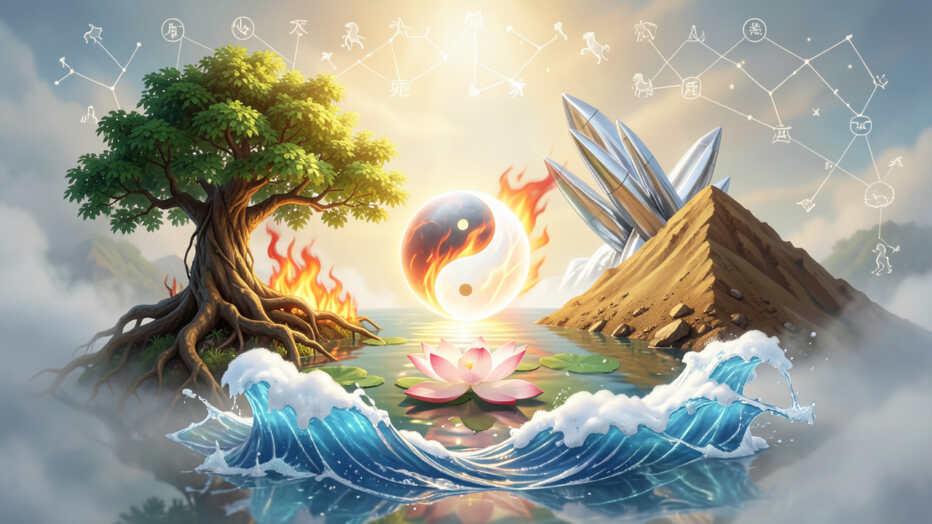
The five elements in Chinese astrology—Wood, Fire, Earth, Metal, and Water—form a dynamic system that explains personality traits, life cycles, and natural interactions through Creative and Control cycles. Each element governs a core personality type: Wood is visionary, Fire is passionate, Earth is stable, Metal is disciplined, and Water is adaptable, with your birth year element shaping your unique chart alongside the 12 animal signs. Applying these elemental cycles to career, relationships, and health enables practical decision-making based on your personal element balance.
The five elements in Chinese astrology provide a complete framework for understanding personality, life cycles, and the natural world. This guide explains how the Wu Xing system works and how you can use it to make better decisions about your career, relationships, and health.
Quick Verdict: In short, the five elements – Wood, Fire, Earth, Metal, and Water – form a dynamic cycle of creation and control in Chinese astrology. Each element governs specific personality traits, seasons, directions, and life phases. Your birth year element, combined with the 12 animal signs, creates your unique five elements in Chinese astrology chart.
- Each element represents a core personality type: Wood is visionary, Fire is passionate, Earth is stable, Metal is disciplined, and Water is adaptable.
- The elements interact through two main cycles: the Creative cycle (Wood feeds Fire, Fire creates Earth, etc.) and the Control cycle (Water extinguishes Fire, Fire melts Metal, etc.).
- Your element is not fixed: In Ba Zi (Four Pillars of Destiny), you have multiple elements that shift with the 10-year cycles and annual energies.
- Traditional Chinese Medicine (TCM) uses the same system: Practitioners diagnose organ imbalances based on element correspondences like the Liver (Wood) and Kidneys (Water).
- You can apply this knowledge immediately: Knowing your dominant element helps you choose compatible careers, partners, and living environments.
How Do the Five Elements Work Together in Chinese Astrology?
According to the, the Wu Xing theory emerged during the Warring States period (475-221 BCE). Ancient Chinese scholars observed that all natural phenomena could be classified into five interacting phases. Unlike Western elements (earth, air, fire, water), these are not static substances but dynamic forces in constant transformation.
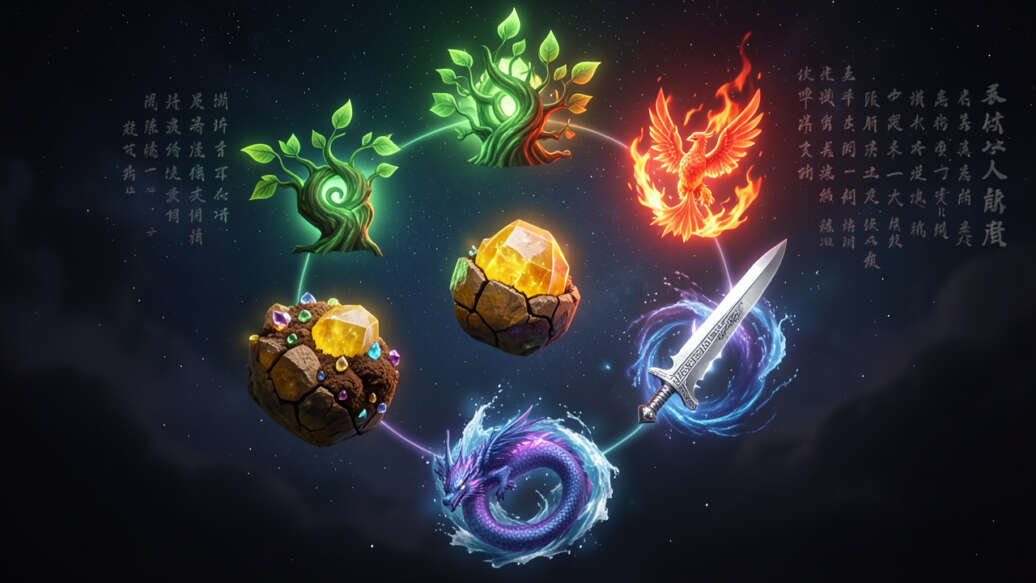
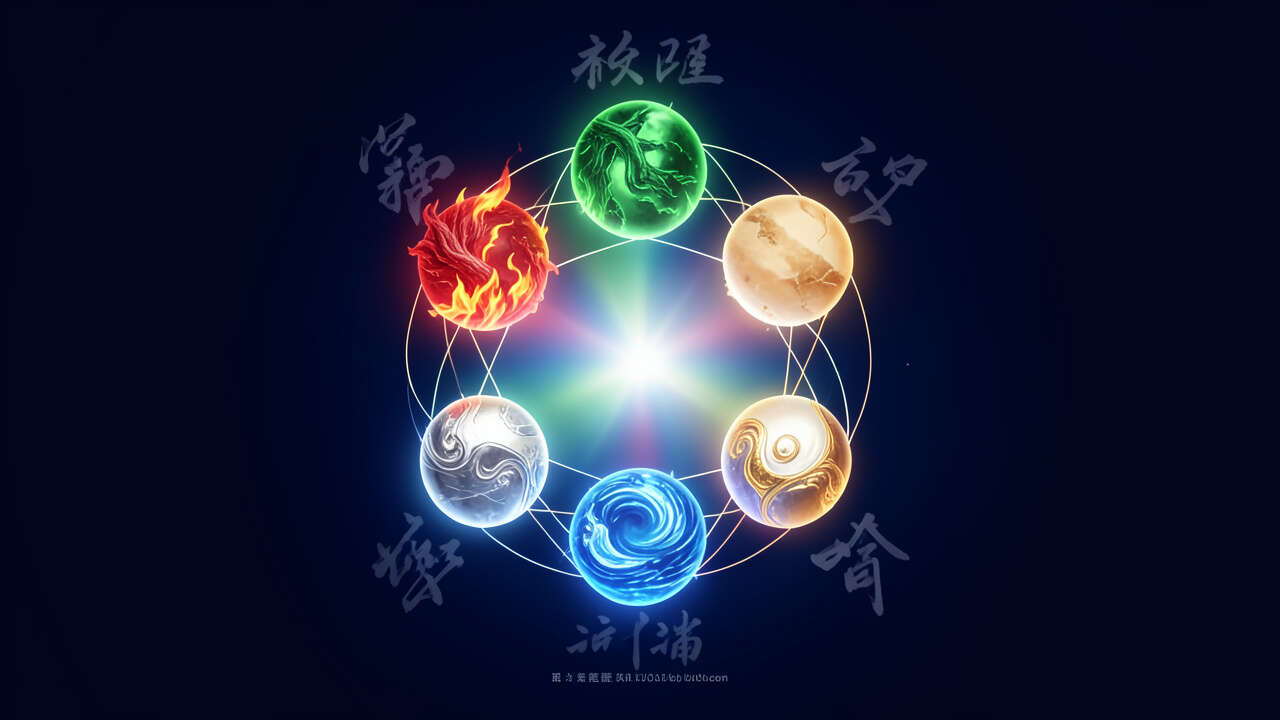
The Creative cycle explains how elements support one another. Wood fuels Fire, Fire creates ash (Earth), Earth compresses into Metal, Metal melts into liquid (Water), and Water nourishes Wood. This cycle shows harmony and growth. The Control cycle keeps balance. Water extinguishes Fire, Fire melts Metal, Metal cuts Wood, Wood absorbs Earth, and Earth dams Water.
Important: The Insulting cycle happens when an element is too weak to control another. For example, if Water is weak and Fire is strong, Fire actually evaporates Water instead of being controlled by it. This is common in volatile relationships or chaotic business environments.
Each element corresponds to specific organs, emotions, seasons, and colors. Traditional Chinese medicine uses these correspondences to diagnose imbalances. For example, a person with excessive Wood energy (Liver) may experience anger. A person with weak Fire (Heart) may feel joyless or withdrawn.
Types or Categories of the Five Elements in Chinese Astrology
Each element carries distinct traits, strengths, and weaknesses. The table below shows the core attributes of every element.
| Element | Season | Direction | Color | Core Personality |
|---|---|---|---|---|
| Wood | Spring | East | Green | Visionary, generous, impatient |
| Fire | Summer | South | Red | Passionate, charismatic, explosive |
| Earth | Late Summer | Center | Yellow | Stable, practical, stubborn |
| Metal | Autumn | West | White | Disciplined, perfectionist, rigid |
| Water | Winter | North | Blue/Black | Adaptable, intuitive, secretive |
These traits are not fixed labels. In Ba Zi (Four Pillars of Destiny), each person has multiple elements that interact. For example, your Day Master (the Heavenly Stem of your birth day) reveals your core self. The other pillars show your outer persona, inner strength, and destiny path.
Wood Element
Wood people are natural pioneers. They see the big picture and inspire others to follow. When balanced, they are generous, creative, and ethical. When out of balance, they become impatient, controlling, and reckless. Wood corresponds to the Liver and the emotion of anger. According to the, TCM practitioners often treat Liver Qi stagnation with Wood-regulating herbs and acupuncture points like LV3 (Taichong).
Fire Element
Fire people radiate warmth and enthusiasm. They love being the center of attention and thrive in social roles. Balanced Fire brings joy, charisma, and leadership. Imbalanced Fire leads to impulsiveness, burnout, and a need for constant excitement. Fire governs the Heart and the emotion of joy. Excessive Fire can cause restlessness and insomnia.
Earth Element
Earth people are the anchors of any group. They are practical, loyal, and nurturing. Earth represents stability, harvest, and the center of all directions. Balanced Earth is reliable and grounded. Imbalanced Earth leads to worry, overthinking, and a tendency to get stuck in routines. Earth rules the Spleen and corresponds to sympathy.
Metal Element
Metal people value structure, discipline, and precision. They are natural organizers, analysts, and perfectionists. Balanced Metal brings strength, integrity, and a keen sense of justice. Imbalanced Metal leads to rigidity, isolation, and difficulty expressing emotions. Metal governs the Lungs and the emotion of grief.
Water Element
Water people are quiet, deep, and highly adaptable. They observe carefully before acting and excel at intuitive professions. Balanced Water is wise, calm, and resourceful. Imbalanced Water leads to fear, indecisiveness, and a tendency to manipulate. Water rules the Kidneys and corresponds to the emotion of fear.
Who Needs to Understand the Five Elements in Chinese Astrology
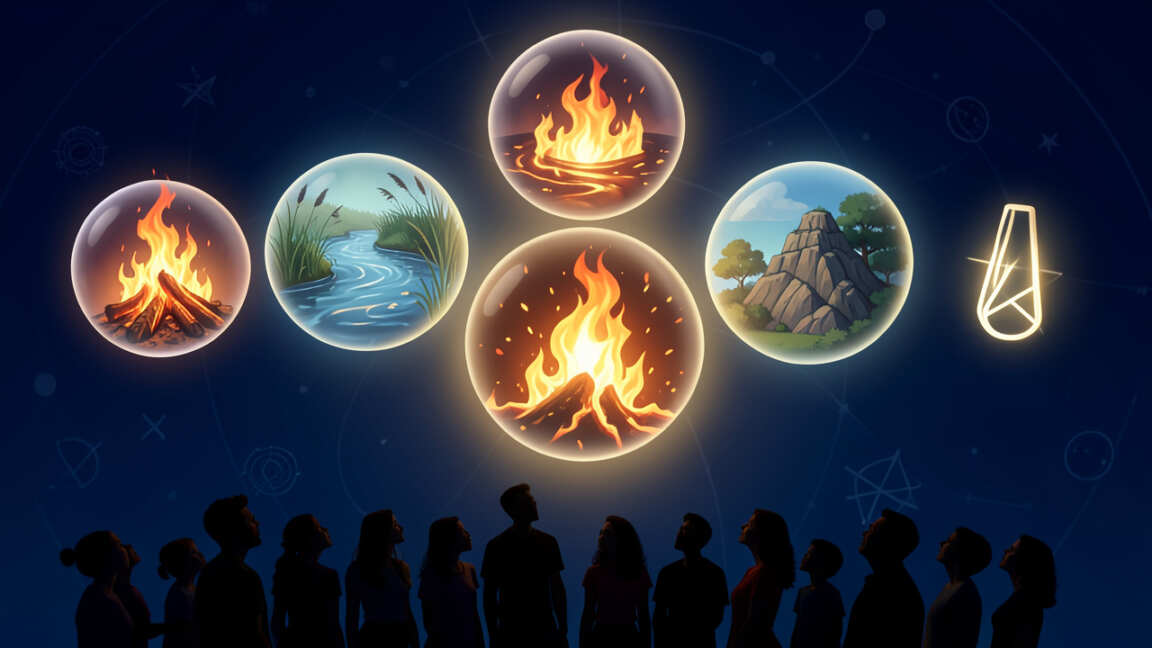
Anyone can benefit from understanding the five elements in Chinese astrology. Here are the groups who gain the most practical value.
- Career changers – Your element reveals natural strengths and weaknesses. Wood people thrive in entrepreneurship. Fire people excel in sales or entertainment. Earth people do well in education or real estate. Metal people succeed in finance or law. Water people shine in creative or research roles.
- Relationship seekers – Element compatibility shows which partners support your growth. For example, a Water person balances a Fire person’s intensity. But two Fire people may burn out each other quickly.
- Health-conscious individuals – TCM uses the five elements to diagnose seasonal and emotional imbalances. If you constantly feel angry in spring, your Wood element may need support.
- Anyone going through a life transition – The elements shift with 10-year cycles. Knowing your upcoming cycle helps you prepare for success or challenges.
Warning: Do not use element compatibility as a rigid filter for relationships. The five elements are a guide, not a destiny script. A bad match on paper can still work with awareness and effort. Use the system to understand patterns, not to limit your choices.
How to Get Started with the Five Elements in Chinese Astrology
You do not need to become a master of Ba Zi to benefit from the five elements. Follow these practical steps to begin.
- Find your birth year element. Each Chinese zodiac year ends with a specific element. For example, as of last update, the year 2000 was Metal Dragon. Find your year in a reliable element chart online.
- Check your Day Master. Your Day Master is the Heavenly Stem of your birth day in Chinese calendar. This is your core element. Tools like free Ba Zi calculators can show you this instantly.
- Identify your current 10-year cycle. Your luck pillar shifts every decade. Knowing your current cycle helps you make better career and relationship decisions.
- Apply the element to a current decision. Are you starting a business (Wood energy)? The Wood cycle supports expansion. Are you feeling burned out? You may need Water energy to rest and reflect.
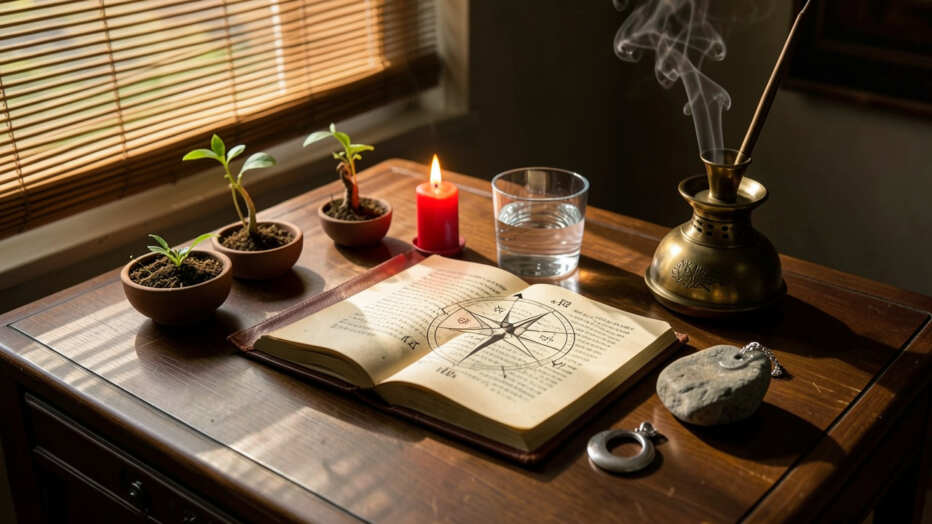
- Use Feng Shui to balance your space. Place Wood element items (plants, green colors) in the east for growth. Use Fire items (candles, red accents) in the south for recognition.
Common Myths vs Facts About the Five Elements in Chinese Astrology
Myth: The five elements are only for fortune-telling
The five elements are a comprehensive worldview. According to the, early Chinese thinkers used Wu Xing to explain astronomy, medicine, music, and governance. It is a philosophical tool, not just a prediction method.
Myth: You only have one element
You carry multiple elements from your birth year, month, day, and hour. Your Day Master is your core self, but the other pillars reveal your outer personality, inner resources, and life stages. Most people have a mix of 2-4 elements in their chart.
Myth: Western and Chinese elements are the same
Western elements (earth, air, fire, water) describe static building blocks of matter. Chinese elements are dynamic forces that change and interact through cycles. There is no “air” in Wu Xing. Instead, Metal, Wood, and Earth fill roles that do not exist in Western systems.
Frequently Asked Questions About the Five Elements in Chinese Astrology
How do the five elements relate to the Chinese zodiac animals?
Each Chinese zodiac year combines an animal sign with an element. For example, a Rat year can be Metal Rat, Water Rat, or Fire Rat. The element modifies the animal’s traits. A Metal Rat is sharp and strategic, while a Water Rat is adaptable and intuitive.
Can my element change over time?
Your birth chart elements do not change, but the energy cycles around you shift. The 10-year luck cycles in Ba Zi bring different element influences. You also have annual and monthly influences based on the Chinese calendar. Your core element stays the same, but your experience of it evolves.
Which element is the most powerful in Chinese astrology?
No element is universally the strongest. Each element has strengths in specific contexts. Fire burns, but Water extinguishes it. Wood grows, but Metal cuts it. The power of an element depends on its balance within your chart and the current cycle. A balanced chart is always better than a single dominant element.
How accurate are online element calculators?
Most free calculators use the year only and do not account for month, day, or hour pillars. To get a complete reading, use a Ba Zi calculator that asks for your exact birth date and time. The accuracy depends on the quality of the software. Reliable tools include those from professional Chinese astrology schools.
Do the five elements apply to all areas of life?
Yes. The five elements are a universal framework. You can apply them to health (TCM diet), career (element-based roles), relationships (compatibility), and even home design (Feng Shui). The system is holistic and practical across many domains.
Final Thoughts
The five elements in Chinese astrology give you a practical map for understanding yourself and the world around you. Wood, Fire, Earth, Metal, and Water each bring unique gifts and challenges. Start by discovering your Day Master and current cycle. Apply this knowledge to one area of your life – career, relationships, or health – and observe the shift. The ancient wisdom of Wu Xing remains relevant because it reflects the natural rhythms we all experience.