Chinese Dinner Seating Order Rules Explained Clearly
Chinese dinner seating order is a fascinating cultural practice that goes beyond simply choosing a chair. Understanding these unspoken rules shows respect and helps you navigate social and business dinners with confidence. Whether at a family gathering or a formal banquet, where you sit communicates your social standing and relationship to the host.
This post breaks down the essential principles of seating etiquette in Chinese culture. You will learn the significance of the “seat of honor,” the host’s strategic positioning, and how to adapt these rules for modern settings. Mastering this etiquette ensures you contribute positively to the meal’s harmony and show proper respect for your hosts and fellow guests.
Simply put, Chinese seating order is a structured system designed to honor guests of highest status. The most important guest sits facing the entrance, with seats of lesser importance flanking them. The host typically sits opposite the main guest, near the door, to manage the meal.
Key Takeaways
- The Chinese dinner seating order is fundamentally about showing respect, with seats arranged by status and seniority.
- The seat of honor is almost always positioned facing the main entrance of the room or restaurant.
- The host’s position is strategically chosen to manage the meal, often sitting closest to the kitchen or door.
- Casual family dinners are more flexible, but elders are still traditionally given the seats of highest respect.
- When in doubt, wait to be seated and follow the lead of the host to avoid accidental disrespect.
What is the Core Principle Behind Chinese Seating Order?
The entire system of Chinese seating etiquette is rooted in Confucian principles of hierarchy and harmony. It is a physical manifestation of social order, where each person’s place is determined by their relationship to others and their social standing. The goal is to create a smooth, respectful atmosphere where everyone feels appropriately acknowledged.
This isn’t about arbitrary rules. The arrangement actively facilitates the flow of the meal. It ensures the host can attend to the most important guest, servers can operate efficiently, and conversation can flow in a structured way.
Getting the seating right sets a positive tone before the first dish is even served.
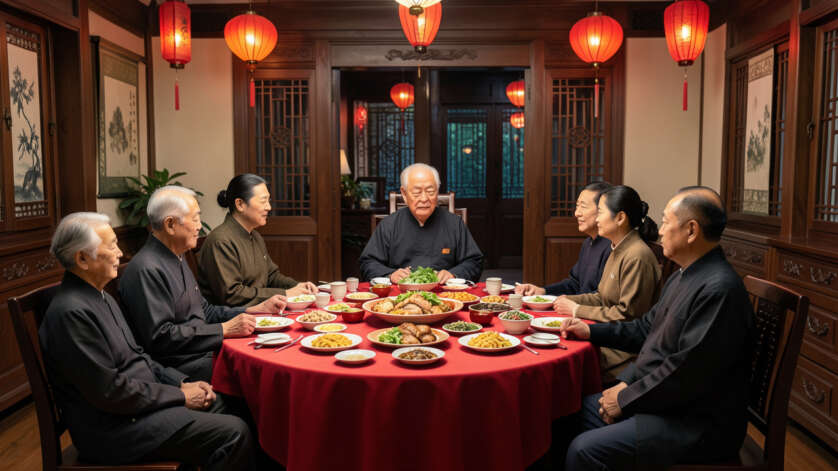
- Respect for Elders and Authority: Seniority is paramount. The eldest or most senior person in the social or business context receives the primary seat of honor.
- Acknowledging the Guest of Honor: A specific, prestigious seat is reserved for the main visitor or client. This visibly demonstrates their importance to the host.
- Facilitating Hospitality: Strategic seating allows the host to easily pour tea, offer dishes, and ensure the comfort of the primary guest.
- Maintaining Harmony: By clearly defining roles and status, potential confusion or awkwardness is minimized, contributing to a pleasant dining experience.
The “Seat of Honor” Explained
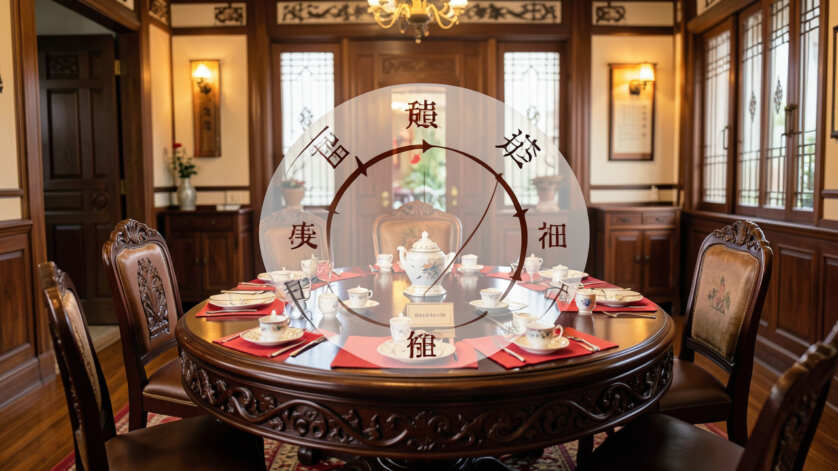
The most coveted position at the table is universally known as the “seat of honor.” Identifying this seat is the key to unlocking the entire seating puzzle. Its location is determined by one primary factor: the main entrance of the dining room or restaurant.
Imagine the dining room door. The seat directly opposite it, facing the door, is the seat of honor. This position offers the guest a commanding view of the room and the arriving servers.
It symbolically places them at the center of the gathering, receiving the utmost respect and attention.
| Seat Position Relative to Entrance | Traditional Role & Significance |
|---|---|
| Facing the Door (Main Seat) | Seat of honor for the most important guest (主宾, zhǔ bīn). Provides the best view and highest status. |
| Left of the Seat of Honor (from guest’s view) | Second most important seat, often for the second-highest ranking guest. |
| Right of the Seat of Honor (from guest’s view) | Third most important seat, for the third-highest ranking guest. |
| Closest to the Door/Kitchen | Traditional position for the host (主人, zhǔ rén) to manage logistics like ordering and payments. |
| Adjacent to the Host’s Seat | Often for the host’s assistant or the person helping with meal coordination. |
Important: Always confirm the “head” of the table. In a rectangular setup, the short end of the table may serve as the head, but the “facing the door” rule usually still applies for the most important seat at that head.
How Does the Host’s Role Influence Seating Arrangements?
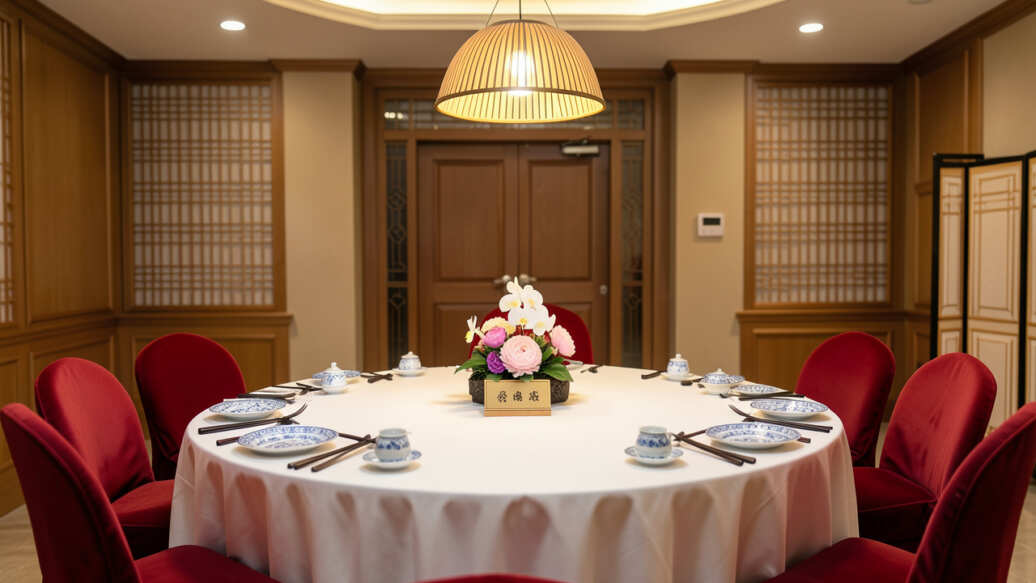
The host is the conductor of the dining symphony. Their seating position is not a matter of honor but of function. Typically, the host sits in the seat of lesser importance, often closest to the door or the kitchen entrance.
This practical location allows them to discreetly handle payments, speak with staff, and manage the timing of the meal.
From this position, the host can easily facilitate the “pouring ritual.” They will stand to pour tea and offer the first selection of food to the guest of honor, then to other guests in descending order of status. Their location makes these acts of service easy and unobtrusive.
- Managing Logistics: Proximity to the door or kitchen allows the host to communicate with waitstaff about orders, dietary restrictions, and bill payment without causing disruption.
- Directing the Toast: The host often initiates the first toast. From their position, they can make eye contact with the guest of honor and lead the group.
- Ensuring Comfort: The host needs to be mobile enough to offer additional rice, pour more wine, or pass dishes. A seat at the “business end” of the table facilitates this.
- Modeling Etiquette: By taking a lesser seat, the host subtly reinforces the system and demonstrates humility, putting the guest’s honor first.
The Host’s Strategy for Seating Guests
A skilled host doesn’t just assign seats randomly. They consider relationships and dynamics to foster good conversation. They might place two people with mutual interests next to each other.
They ensure that conflicting parties are not seated adjacent, preventing potential tension.
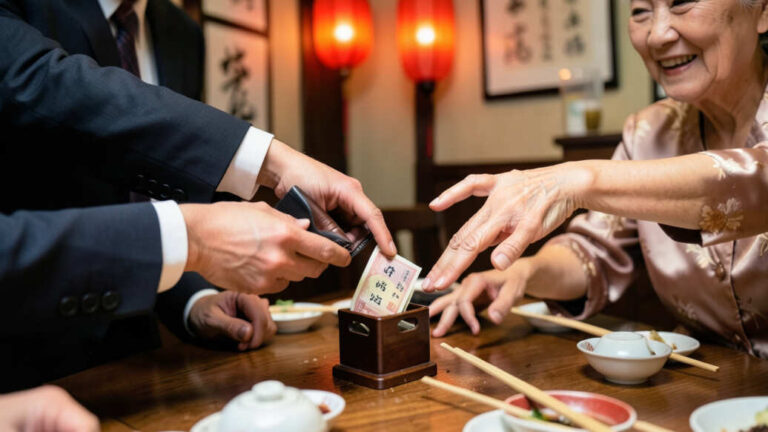
Often, the host will prepare place cards for formal dinners. For less formal gatherings, they will verbally guide each guest to their seat, saying something like, “Please, sit here.” It is polite to politely protest once or twice before accepting the assigned seat, especially if it is a seat of honor. This shows humility.
Warning: Never sit in the seat of honor unless you are explicitly invited to do so by the host. Taking this seat prematurely is a significant cultural blunder that can cause embarrassment.
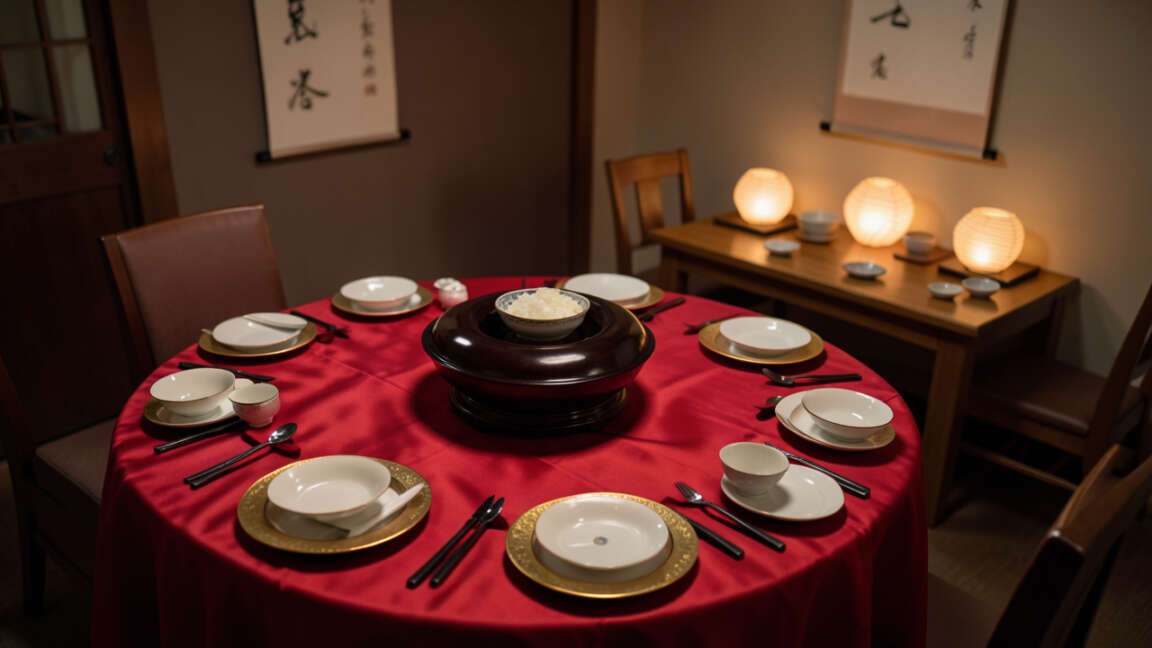
What Are the Seating Rules for Banquets vs. Casual Dinners?
The formality of the event dramatically influences how strictly the seating protocol is followed. At a corporate banquet or a wedding, the rules are almost law. At a casual family dim sum, they are guidelines that can be bent with common sense.
Formal Banquet & Business Dining Protocol
For weddings, corporate events, and official dinners, seating is planned meticulously. Place cards are standard. The host or event organizer will have a seating chart.
The principles are applied with precision: the main guest(s) face the entrance, the host faces them or sits adjacent to the door, and other seats are filled according to rank.
In business contexts, rank translates directly to corporate hierarchy. The most senior executive from the visiting company takes the seat of honor. The host organization’s lead person takes the opposing seat.
Subordinates are seated in descending order of importance alongside their counterparts.
| Aspect | Formal Banquet | Casual Family/Friends Dinner |
|---|---|---|
| Seat Assignment | Strict, often with place cards. | Flexible, host may suggest but not enforce. |
| Honoring Elders | Primary seat always given to highest-status elder or guest. | Still respected; the eldest often sits at the head of a rectangular table or the seat of honor at a round one. |
| Host’s Role | Host often sits near the door to manage affairs. | Host may sit anywhere, prioritizing hosting duties over personal seat. |
| Consequences of Error | Can be seen as a serious social or professional misstep. | Usually forgiven, especially for guests unfamiliar with the culture. |
Casual Dining Adaptations
For family dinners or meals with close friends, the atmosphere is much more relaxed. The formal “seat of honor” concept may soften. An elder relative is still likely to be given the most comfortable chair or the seat with the best view, but the entire seating puzzle is less rigid.
In modern, casual settings, especially among younger generations, people often just sit where they like. However, it is still polite to wait for the eldest to sit first. If there is a large round table, offering the best seat to the oldest person present is a simple, respectful gesture that is always appreciated.
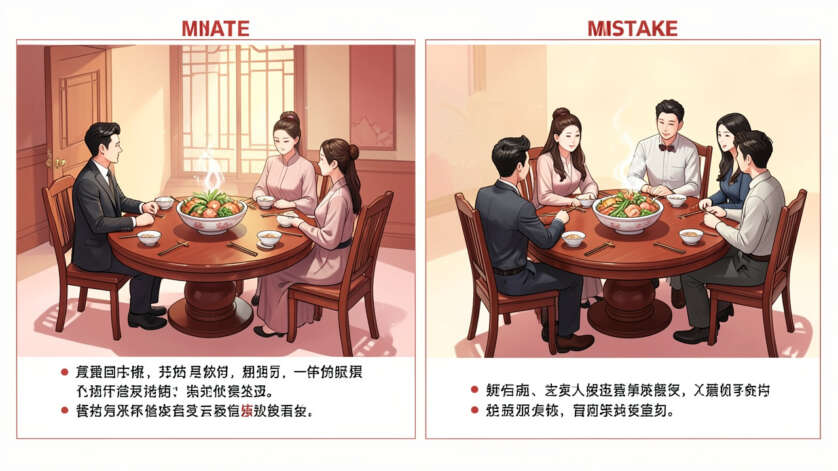
What Common Seating Mistakes Should You Avoid?
Making a seating mistake is common for newcomers, but awareness can help you avoid the most significant faux pas. The primary mistake is failing to recognize and yield the seat of honor. Another common error is sitting before the host or the most senior guest has been seated.
Remember that the system is about intention, not just rigid geography. If you are unsure, the safest and most respectful action is to stand politely and wait for the host to direct you. This single action demonstrates awareness and deference, covering for any lack of specific knowledge.
- Sitting in the Seat of Honor Uninvited: This is the cardinal sin of Chinese dining etiquette. Always wait to be told where to sit.
- Sitting Before Elders: Allow the most senior person to sit first. In a family setting, this is your grandmother or father. In business, it is the most senior executive.
- Positioning Your Back to the Door: While less critical for non-honored seats, sitting with your back to the main entrance can be seen as vulnerable or disrespectful in traditional contexts.
- Ignoring the Host’s Cues: If the host gestures to a seat or says “Please sit here,” comply immediately, even if it feels like an honor you don’t deserve. Politely protesting once is okay; refusing is rude.
- Forgetting the Pouring Order: Tea and wine are poured starting with the guest of honor, then others by age or status. Never pour for yourself first.
Tip: When you arrive, don’t immediately rush to a seat. Stand near the entrance, greet the host, and make conversation. Let others be seated first, especially older guests. This observation period lets you see where people are settling and avoid errors.
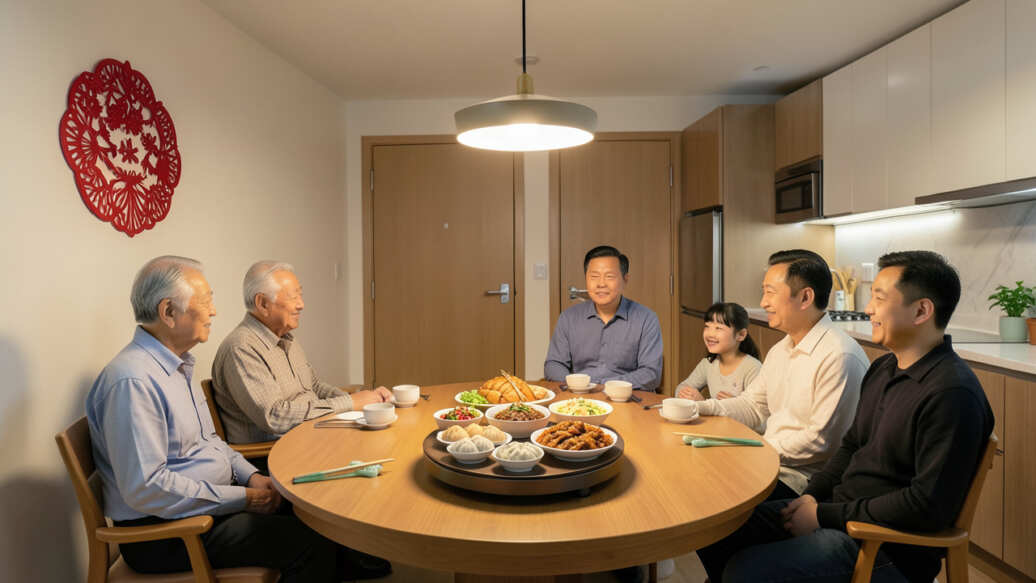
How Do Modern and Regional Variations Affect the Rules?
China is vast, and traditions vary. While the core principles of hierarchy and respect remain, the strict application can differ between generations, urban and rural areas, and northern and southern China. Modernization and global influence have also softened the rules in many contexts.
In major metropolitan areas like Shanghai or Beijing, business dinners may still adhere closely to tradition, but younger entrepreneurs might adopt a more casual approach. The key is that the underlying respect is still communicated, even if the physical seating becomes less formulaic.
Regional Nuances to Consider
- North vs. South: Some suggest that northern Chinese traditions, being closer to Beijing and the imperial court, may be slightly more formal than in the south. However, this is a generalization and not a strict rule.
- Rural vs. Urban: In rural areas, traditional Confucian hierarchies are often more strongly preserved. Urban settings, with their mix of cultures and faster pace, see more adaptation.
- Dialect Group Influence: Cultural practices among Cantonese, Hokkien, or Shanghainese communities may have subtle local flavors in how etiquette is expressed, though the core “facing the door” principle is near-universal.
- Generational Shift: Younger Chinese people are often more relaxed about these rules among peers. However, they are usually very conscious of them when dining with older relatives, foreign guests, or in formal settings.
Adapting in International Settings
When hosting Chinese guests in a Western-style restaurant with rectangular tables, the application changes. The “head of the table” becomes the most important seat. If there are two heads, the one facing the door or the room’s main feature is the primary seat.
The host still often takes a position near the server entrance.
The most important adaptation is mindset. Focus on the intent: show respect to your honored guest and facilitate their comfort. Whether through literal seating or through acts of service like pouring their tea first, you can uphold the spirit of the etiquette.
Frequently Asked Questions
What is the most important seat at a Chinese dinner table?
The most important seat is the “seat of honor,” which is positioned directly facing the main entrance of the dining room. This seat is reserved for the guest of highest status or the most senior elder, allowing them a commanding view of the room and showing them the utmost respect.
Who should sit closest to the door at a Chinese dinner?
The host or organizer of the dinner typically sits closest to the door or the kitchen entrance. This practical position allows the host to manage logistics discreetly, such as ordering, handling the bill, and communicating with staff without disturbing the meal.
How should I respond if I am offered the seat of honor?
It is polite to politely decline once or twice, showing humility. If the host insists, you should accept the seat graciously. This ritual of offering and declining demonstrates respect for both the position and the social hierarchy.
Does the seating order change if the table is rectangular instead of round?
Yes, it adapts slightly. The short end of the table, or the end facing the door/main view, is considered the head. The guest of honor sits at this head position.
The host may sit opposite or adjacent to the door. The principle of honoring the most important guest remains constant.
What if I arrive late and all seats are taken?
Do not force a seat. Apologize for your tardiness and quietly ask the host where you should sit. They may ask someone to shift or provide a chair.
Never simply pull up a chair at an occupied table, especially near the head, without the host’s guidance.
Final Thoughts
Navigating the Chinese dinner seating order is about understanding a deep cultural value system. It is a language of respect spoken through spatial arrangement. Remember the golden rule: the seat of honor faces the door, and the host takes a functional position to facilitate the meal.
When in doubt, observe, wait to be seated, and follow the host’s lead. Your willingness to learn and adhere to these practices will be appreciated far more than perfect execution. It shows you value the harmony and respect at the heart of the dining experience.