Chinese Naming Traditions for Firstborn Sons Explained
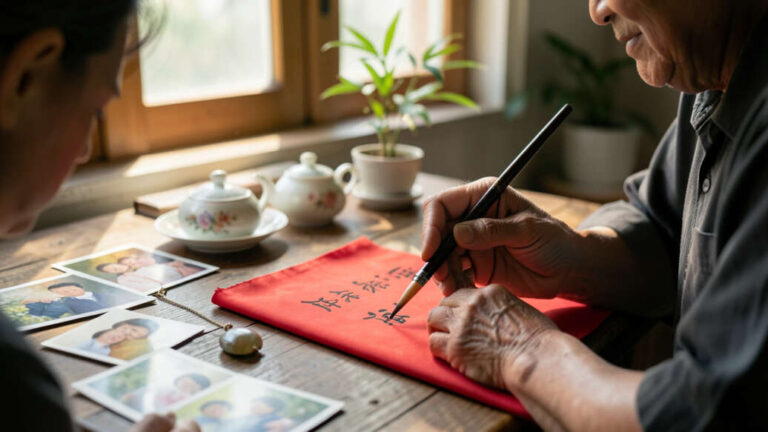
Chinese naming traditions for firstborn sons are steeped in centuries of cultural significance, family duty, and philosophical belief. These names are far more than just labels; they are profound wishes for a child’s destiny and a link to the family’s legacy. This guide delves into the core principles, astrological influences, and modern practices that shape this enduring tradition.
Simply put, naming a firstborn son in Chinese culture is a serious family event that blends ancestral honor, philosophical concepts like the Five Elements, and hopes for a prosperous future. The chosen name often carries specific characters meant to bring balance, virtue, and success to the child’s life path.
Key Takeaways
- Chinese naming traditions for firstborn sons place immense weight on carrying the family lineage and honoring ancestors through character choice.
- The selection process often involves consulting a birth chart to balance the Five Elements (wood, fire, earth, metal, water) for harmony and good fortune.
- Modern parents blend traditional meanings with contemporary sounds, creating names that are both culturally resonant and personally unique.
- A name’s sound, stroke count, and written character are all analyzed to avoid negative homophones and ensure positive connotations.
- The naming ceremony, or “one-month celebration,” is a key milestone where the formal name is often announced to family and community.

What is the Core Philosophy Behind Naming a Firstborn Son?
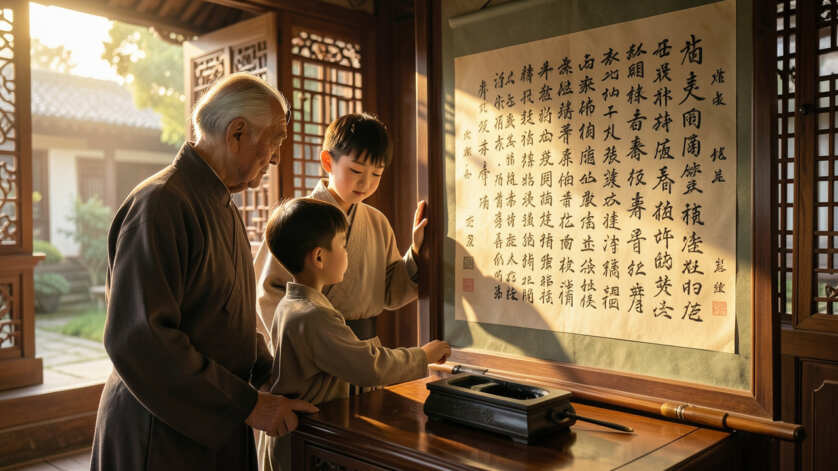
The philosophy underpinning Chinese naming traditions for firstborn sons is deeply rooted in Confucian values and Taoist cosmology. At its heart, a name is a form of blessing and a tool for shaping destiny. The firstborn son, historically seen as the heir who continues the family line and performs ancestral rites, receives a name that reflects this paramount responsibility.
The chosen characters are not picked for sound alone. Each one must convey a virtuous or auspicious meaning. Common aspirational characters include those for strength, integrity, wisdom, and benevolence.
The name serves as a lifelong mantra and a parental wish made manifest in language.
- Ancestral Continuity: The name may include a “generation name” character, shared by all siblings or cousins of the same generation, visually linking them within the family tree.
- Moral Exhortation: Characters like ‘仁’ (rén, benevolence), ‘义’ (yì, righteousness), and ‘信’ (xìn, integrity) instill core Confucian virtues.
- Destiny Alignment: The name is thought to interact with a child’s innate destiny (命), subtly steering their path toward harmony and success.
- Social Identity: A well-chosen name confers dignity and respect, shaping first impressions in personal and professional spheres.
Important: The generational poem or name rule (字辈, zìbèi) is a classic method. One character in the name is predetermined by a pre-written poem for each generation, ensuring order and connection across the vast family clan.
How Do the Five Elements Influence Name Selection?
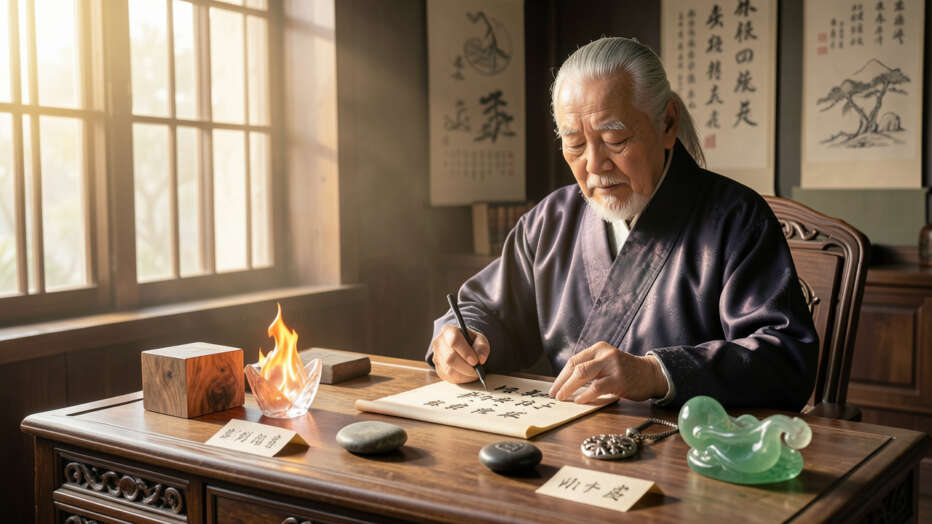
One of the most critical steps in Chinese naming traditions for firstborn sons is analyzing the child’s birth date and time using the Eight Characters (八字, bāzì), or Four Pillars of Destiny. This astrological chart reveals the balance—or imbalance—of the Five Elements (五行, wǔxíng) in a person’s destiny. The name is then carefully crafted to supplement any lacking element.
A professional astrologer or knowledgeable elder will examine the chart. If a child is found to be lacking the “water” element, for instance, characters containing the water radical (氵) or meanings related to water (like ‘海’ hǎi, sea, or ‘润’ rùn, moist) may be chosen. This creates a cosmic balance meant to foster health, luck, and smooth life progress.
| Element | Associated Traits | Example Characters to Add |
|---|---|---|
| Wood (木) | Growth, creativity, kindness | 林 (lín, forest), 杰 (jié, heroic) |
| Fire (火) | Passion, charisma, dynamism | 炎 (yán, flame), 炎 (yàn, brilliant) |
| Earth (土) | Stability, reliability, nurturing | 坤 (kūn, earth), 峰 (fēng, peak) |
| Metal (金) | Determination, precision, justice | 鑫 (xīn, prosperity), 铭 (míng, inscribe) |
| Water (水) | Wisdom, adaptability, calm | 淼 (miǎo, vast water), 涛 (tāo, billow) |
This elemental balancing act is a primary reason why many families consult a naming master. The goal is to create a harmonious interplay between the child’s innate chart and the external influence of their name.
What Are the Practical Steps in the Naming Process?
The process of choosing a name for a firstborn son is methodical and often involves multiple family members and experts. It blends tradition with practical considerations to ensure the name is both auspicious and functional.
- Gather Information: The exact birth date and time are recorded to calculate the child’s Eight Characters (八字).
- Elemental Analysis: A fortune teller or elder analyzes the chart to identify strengths and weaknesses in the Five Elements.
- Define Aspirations: The parents and grandparents discuss the core virtues and hopes they wish to embody in the name (e.g., wisdom, strength, peace).
- Brainstorm Characters: Using the element gap and virtues as a guide, a list of potential characters is created. Sound and stroke count are considered.
- Phonetic Check: The full name (including the family name) is spoken aloud repeatedly to ensure it flows well and doesn’t create unfortunate homophones.
- Stroke Count Analysis: The total stroke count of the given name characters is checked against numerology for lucky or unlucky numbers.
- Family Consultation: The shortlist is presented to elders, especially paternal grandparents, for approval and blessing.
- Final Decision: The parents make the final choice, often after much debate, selecting the name that best balances all factors.
Warning: Avoid characters with negative meanings or grim historical associations. Also, be mindful of modern slang or internet culture that could give a traditional character an unintended, humorous, or negative meaning today.
How Are Modern Trends Reshaping Traditional Naming?
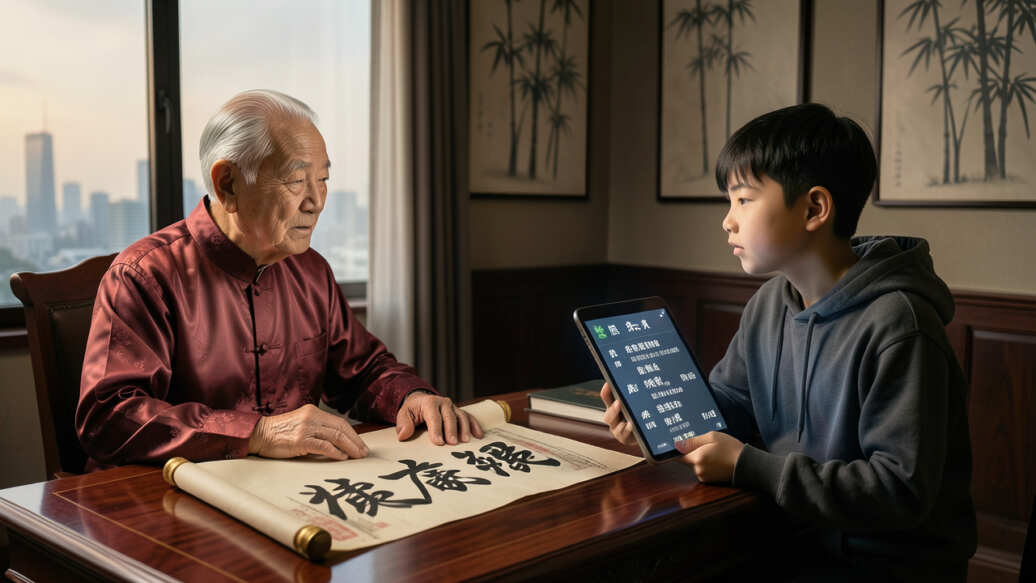
While the core principles of Chinese naming traditions for firstborn sons remain strong, modern parents are introducing new trends that reflect a globalized world. The balance between tradition and individuality is shifting. Many parents seek names that are unique yet meaningful, avoiding overly common names from previous generations.
Influence from popular culture, literature, and even international sounds is growing. However, the foundational checks for elemental balance and positive meaning usually still occur. The trend is toward “creative tradition”—honoring the past while embracing the present.
- Surname + Two-Character Given Names: The standard format remains dominant, but some parents are opting for distinctive, less common second characters.
- Nature and Abstract Concepts: Characters from nature (like ‘轩’ xuān, a high pavilion; ‘宇’ yǔ, universe) and abstract virtues (like ‘睿’ ruì, astute; ‘哲’ zhé, wise) are extremely popular.
- Reduced Emphasis on Generation Names: While still respected in large clans, the strict use of a generational character is less common among smaller, urban families.
- Influence of Simplified Characters: The choice is now primarily between traditional and simplified Chinese characters, with mainland parents using simplified and those in Taiwan/Hong Kong often using traditional.
- Online Name Generators and Databases: Technology provides parents with lists of suggested names filtered by element, meaning, and popularity, aiding the initial brainstorming.
What Are the Key Dos and Don’ts in Character Selection?
Selecting the right characters is an art. Beyond elemental and astrological concerns, there are practical linguistic and cultural dos and don’ts that guide the final choice. These rules help prevent embarrassment and ensure the name is well-received.
| DOs (Recommended Practices) | DON’Ts (Things to Avoid) |
|---|---|
| DO: Choose characters with clear, positive meanings related to virtues, nature, or aspirations. | DON’T: Use characters that are overly complex, rare, or difficult to write and pronounce. |
| DO: Test the full name for unpleasant homophones in your primary dialect and Mandarin. | DON’T: Name a child after a living, unrelated famous person; it can be seen as presumptuous. |
| DO: Consider the flow and rhythm when paired with the family name. | DON’T: Select characters that are gender-neutral if a distinctly masculine name is desired for a son. |
| DO: Seek input from respected elders and, if desired, a professional naming consultant. | DON’T: Overload the name with too many elemental compensations, making it sound forced. |
| DO: Ensure the name has a timeless quality that will age well from childhood to adulthood. | DON’T: Use characters that are trends of the moment, which may become dated quickly. |
How Does the Naming Ceremony Unfold?
The formal presentation of a firstborn son’s name is often tied to the “full moon” celebration, held when a baby is one month old. This ceremony is a significant family gathering and a public affirmation of the child’s identity. While practices vary by region and family, the core purpose is to introduce the newborn and his auspicious name to the community.
The event is typically hosted by the paternal grandparents. Close family and friends are invited to share in the joy. Red-dyed eggs and ginger soup are traditionally distributed, symbolizing birth and the mother’s recovery.
The ceremony is a blend of thanksgiving, celebration, and formal recognition.
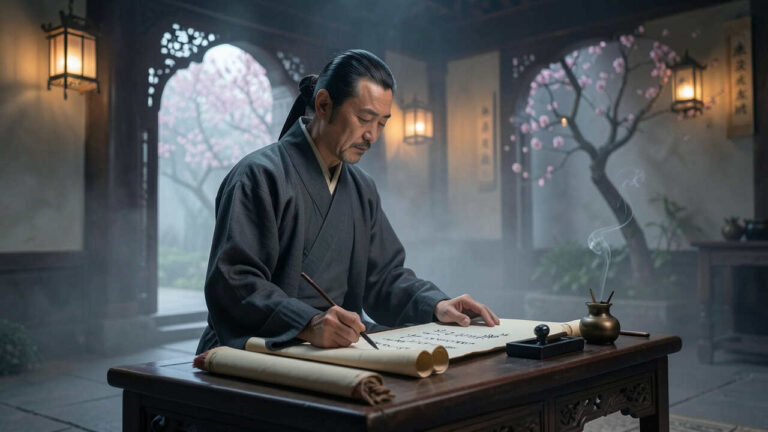
- Preparation: The family prepares a feast. The baby’s name may be written on red paper or a ceremonial scroll.
- Gathering: Guests bring gifts of money in red envelopes (红包, hóngbāo) and gold jewelry for the baby.
- The Announcement: The grandparents or parents formally announce the child’s given name, sometimes explaining the meaning and the hopes behind it.
- Blessings: Elders offer verbal blessings, wishing the child health, intelligence, and a bright future under his new name.
- Feast and Socializing: A communal meal follows, strengthening family and social bonds around the new addition and his name.
Tip: In some regions, a “milk name” (乳名, rǔmíng) or “small name” is used informally at home before the full moon ceremony. This is often a cute, diminutive name to ward off evil spirits, and it is separate from the formal, registered name.
What Are Common Mistakes to Avoid When Naming?
Navigating Chinese naming traditions for firstborn sons can be complex, and even well-intentioned families can make missteps. Awareness of common pitfalls helps ensure the name serves its positive purpose without unintended consequences.
- Ignoring Sound and Homophones: A character with a great meaning might have a pronunciation identical to a word for “loss” or “sickness.” Always say the name aloud and check homophones in your dialect.
- Overlooking Stroke Count Numerology: In Chinese numerology, certain stroke counts are considered lucky or unlucky. Neglecting this can be seen as careless by traditionalists.
- Choosing a Too-Trendy Name: Picking a name that is ultra-popular in a given year means the child will share it with many peers, diluting its uniqueness and potentially dating it.
- Disregarding the Family Context: A name that clashes with a grandparent’s name or a respected ancestor is highly inappropriate. Always check with elders.
- Over-compensating for Elements: Trying to force every missing element into a two-character name can result in an awkward, incoherent, or overly heavy name.
- Forgetting Legal Registration: The chosen name must be registered on the official household registration (户口, hùkǒu). Ensure all selected characters are standard and approved for use.

What Role Do Given Names Play in Modern Chinese Society?
In contemporary China, a person’s given name continues to be a powerful component of their identity, though its role has evolved. For a firstborn son, the name still carries the weight of familial expectations, but it now also exists within a broader, more individualistic social context.
A strong, meaningful name is believed to positively influence personal and professional interactions. In a society of over 1.4 billion people, a distinctive yet appropriate name helps an individual stand out. It is one of the first things people learn about you, and it can shape initial perceptions of your background, education, and family values.
- Professional Identity: A dignified name like “Jìngwén” (敬文, reverence for culture) or “Zhìqiáng” (志强, ambition and strength) is thought to convey seriousness and capability in the workplace.
- Social Harmony: A name that is easy to pronounce and remember facilitates social connections. Conversely, an overly obscure name can create a minor barrier.
- Cultural Pride: Many young adults take pride in the deep meaning of their name, seeing it as a tangible connection to their heritage and their parents’ love.
- Personalization: While the name is a gift from parents, individuals often grow into it, interpreting its meaning through their own life experiences and achievements.
Frequently Asked Questions
How long does the entire naming process usually take?
The process can take anywhere from a few days to several weeks. Simple consultations might be quick, but families often deliberate extensively, especially if consulting multiple elders or a professional. The decision is made carefully and is rarely rushed, as it is considered a permanent and impactful gift to the child.
Can a firstborn son’s name be changed later?
Yes, it is possible to change a name, and it is not uncommon. This might happen if the original name is found to be overly problematic or if the family’s circumstances change. However, a name change is a formal process and is not undertaken lightly, as it involves updating official documents and social records.
Are there differences in naming traditions across Chinese regions?
Absolutely. Naming customs can vary significantly between mainland China, Taiwan, Hong Kong, and overseas Chinese communities. While the core philosophical principles often remain, preferences for certain characters, the importance of generation names, and the specifics of the naming ceremony can differ based on local dialect, clan traditions, and cultural influences.
How important is the family name in the overall naming tradition?
The family name (姓, xìng) is immutable and carries the lineage. It is not chosen for a child but inherited. The given name, therefore, must pair well with the family name in both sound and meaning.
A poor combination can result in an awkward full name, making the harmony between the two parts a critical consideration during the selection process.
Do both parents have an equal say in naming their firstborn son?
In modern urban families, it is typically a joint decision between the parents, with input sought from their own parents (the child’s grandparents). In more traditional settings, the paternal family, especially the grandfather, may hold greater influence. The final decision, however, generally rests with the parents, who balance family advice with their own wishes for their child.
Final Thoughts
The tradition of naming a firstborn son in Chinese culture remains a vibrant and meaningful practice, acting as a bridge between ancient wisdom and modern aspirations. It transforms a simple label into a profound blessing, carefully crafted to guide a child toward a balanced and prosperous life. Whether following every step of ancestral custom or blending it with contemporary flair, the enduring goal is to bestow upon the child a name that carries honor, hope, and a strong sense of identity for years to come.