Why Tangerines Are Given During Chinese New Year
Simply put, gifting tangerines during Chinese New Year is a symbolic act. The fruit’s round shape represents wholeness and reunion, while its golden color signifies wealth. Most importantly, its Chinese name sounds like “luck” and “wealth,” making it a powerful auspicious gift to wish recipients prosperity and good fortune for the year ahead.
Key Takeaways
- Tangerines for Chinese New Year symbolize luck, wealth, and family unity through their shape, color, and name.
- The tradition stems from ancient Chinese wordplay (homophones), where “tangerine” sounds like “luck” or “gold.”
- Gifting is reciprocal; it’s customary to give and receive tangerines or oranges with stems and leaves attached.
- This practice is a widespread cultural ritual across China, Hong Kong, Singapore, and many diaspora communities.
- Beyond symbolism, offering tangerines is a tangible gesture of goodwill, respect, and hopes for a bountiful year.
What Is the Symbolism Behind Giving Tangerines for Chinese New Year?
The practice is deeply embedded in Chinese linguistic culture. The key lies in homophones—words that sound alike but have different meanings and characters. This wordplay transforms a simple fruit into a powerful symbol.
When you give tangerines, you are effectively giving a spoken wish for good fortune. The act is a non-verbal (or barely verbal) way to communicate hope and blessings. This symbolism is the core reason for the tradition’s enduring popularity.
The Lucky Name: “Gan” and “Ju”
In many Chinese dialects, the word for tangerine or orange is “gan” (柑). This character is a near-homophone for “gan” (金), which means gold. Giving tangerines is like wishing someone a gift of gold or financial prosperity.
Similarly, the word for tangerine, “ju” (橘), sounds like “ji” (吉), which means luck or auspiciousness. The fruit becomes a vessel for wishing good luck. This dual symbolism of wealth and luck makes it the ultimate New Year gift.
Shape and Color Symbolism
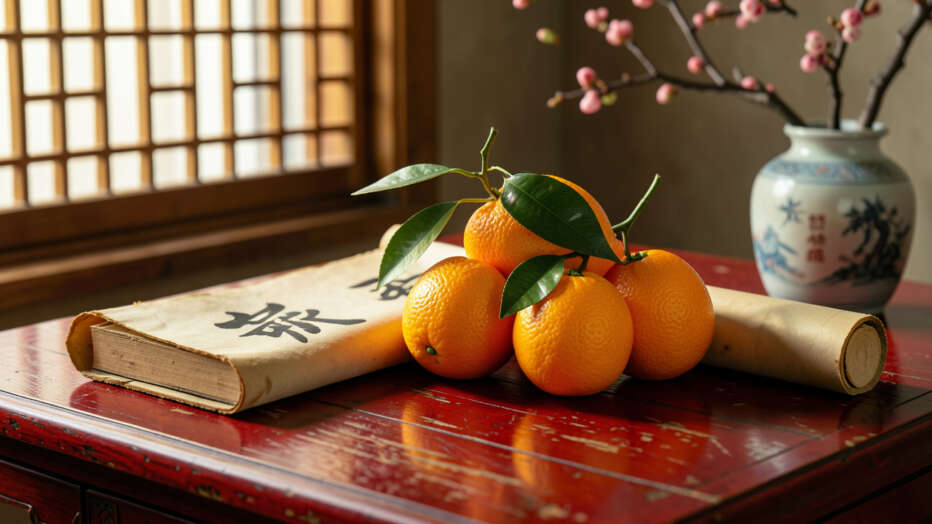
Beyond the name, the physical attributes of the tangerine are significant. Their round, full shape represents completeness, family reunion, and the cyclical nature of the year. A tangerine suggests a wish for a well-rounded, flawless year.
The vibrant orange or golden color is associated with the sun, metal elements, and, most importantly, gold itself. It visually reinforces the wish for wealth and a bright, prosperous future. The color red, often found on packaging or baskets, adds the element of joy and good fortune.
Symbolism Summary Table
| Symbolic Element | Meaning & Association |
|---|---|
| Name “Gan” (柑) | Sounds like “Gold” (金) – Wish for wealth. |
| Name “Ju” (橘) | Sounds like “Luck” (吉) – Wish for good fortune. |
| Round Shape | Represents wholeness, reunion, and a flawless year. |
| Golden Color | Associated with gold, the sun, and a bright future. |
| Leaves & Stem | Signify living prosperity and continuity of luck. |
This multi-layered symbolism ensures the tangerine is not just a snack, but a profound cultural token. It communicates multiple blessings in one elegant, natural package.
How Are Tangerines Actually Used During Chinese New Year?
The tradition is not merely about giving; it involves specific etiquette and placement. Tangerines are integrated into decorations, gifting rituals, and hospitality. Knowing “how” to use them is key to participating correctly in the celebration.
They appear from the days leading up to New Year’s Eve through the festival period. You’ll find them in homes, businesses, and as part of formal gift exchanges. This widespread use amplifies their symbolic power.
The Art of Gifting and Reciprocity
Gifting is governed by rules. Tangerines are always given in pairs, as even numbers are considered lucky. A common gift is two tangerines in a small red bag.
When visiting a home, guests often bring a bag of tangerines to present to the host.
The host will offer a bag of tangerines in return. This exchange is crucial. It’s a ritual of mutual respect and shared well-wishing.
Refusing the offering is considered impolite.
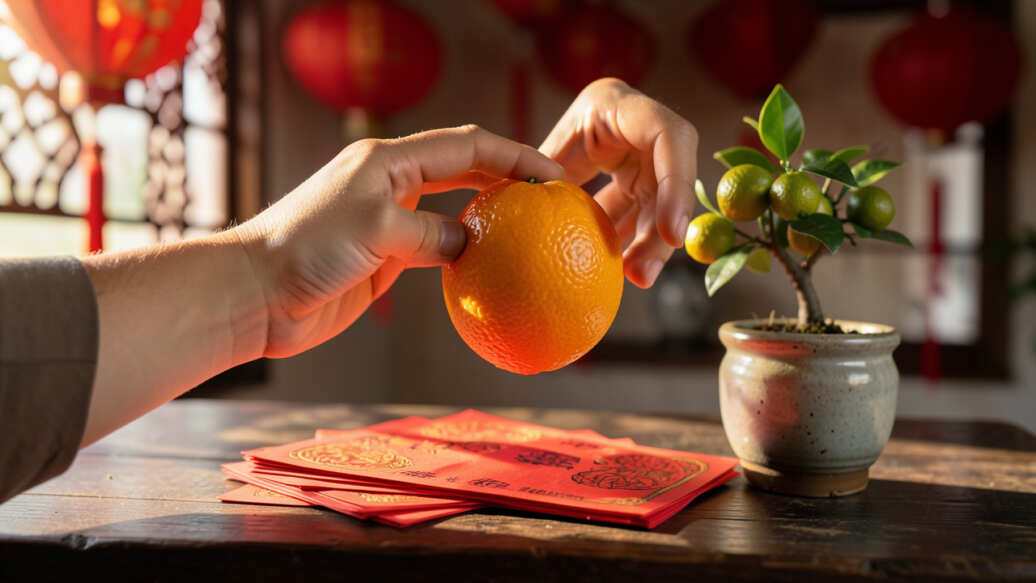
Tip: Always present and accept tangerines with both hands. This gesture shows respect and sincerity. Avoid giving tangerines with bruised skin or no leaves, as the presentation matters as much as the symbolism.
Decoration and Placement
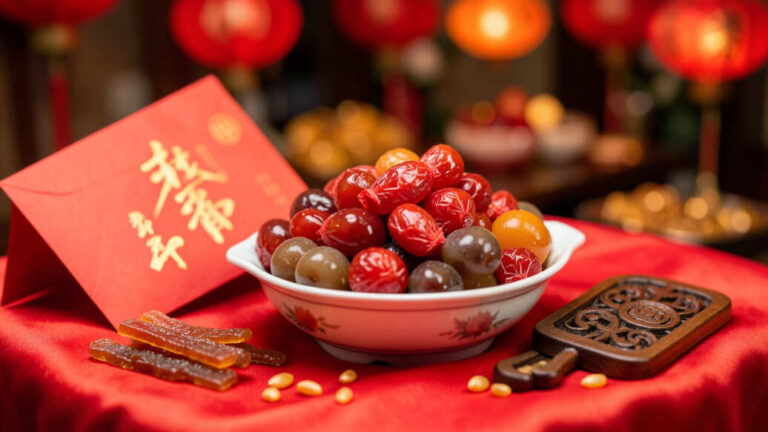
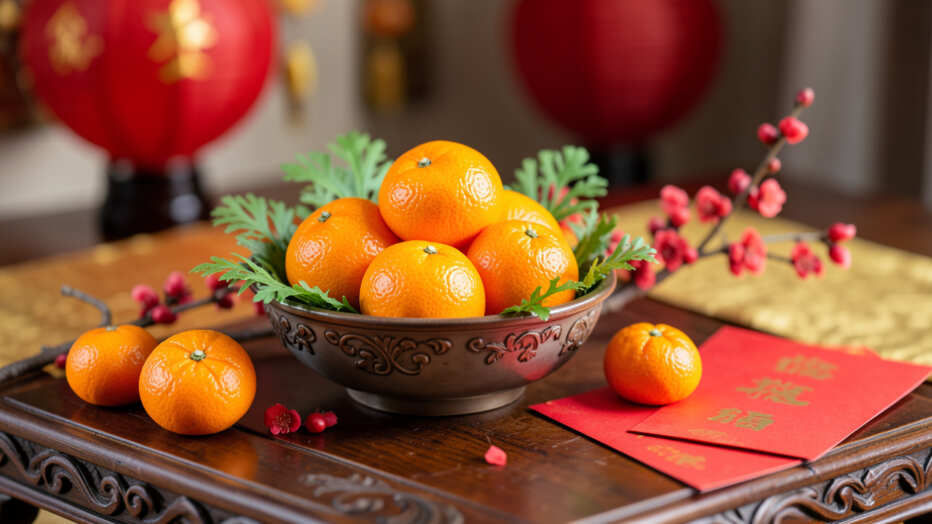
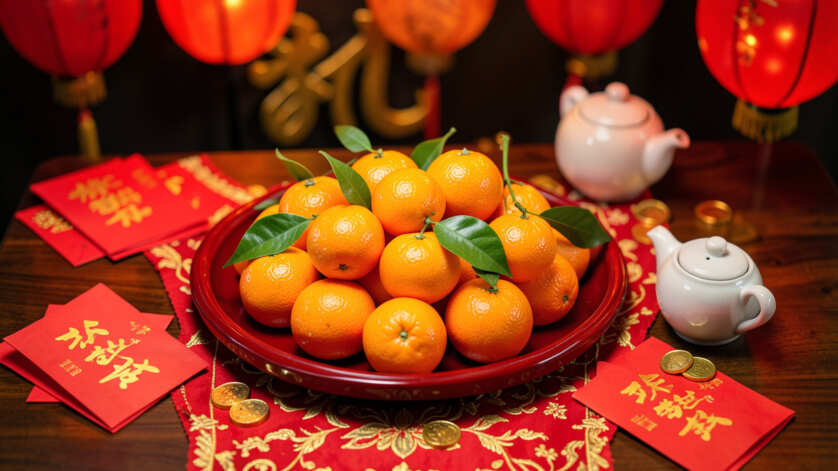
Tangerines are a staple in New Year décor. They are prominently displayed in bowls on coffee tables, sideboards, and altars. They are often arranged with other symbolic items like red envelopes (hongbao), nuts, and candy.
In many homes, a stalk of sugarcane decorated with tangerines is placed near the entrance. This arrangement wards off evil spirits and welcomes prosperity into the household. The visual of abundant, golden fruit creates an atmosphere of festivity and hope.
Gifting Etiquette Chart
| Do’s | Don’ts |
|---|---|
| Give in pairs (even numbers). | Give in odd numbers. |
| Ensure they are fresh with green leaves. | Give bruised, dry, or stem-less fruit. |
| Use red packaging or a basket. | Use black, white, or blue packaging. |
| Present and receive with both hands. | Accept or give with one hand. |
| Greet with a lucky phrase when gifting. | Say anything negative or inauspicious. |
Following these guidelines shows cultural awareness and respect for the tradition. It elevates the gift from a simple fruit to a meaningful ritual.
What Are the Regional Variations in Tangerine Gifting?
While the core symbolism is consistent across Chinese-speaking regions, there are fascinating local twists on the tradition. Geography and dialect influence the specific practices. These variations add richness to the overall custom.
In Southern China and Southeast Asia, where citrus grows abundantly, the tradition is particularly vibrant. The availability of different citrus varieties leads to nuanced preferences. The ritual remains central to Lunar New Year celebrations.
Cantonese Influence in Hong Kong and Guangdong
In Cantonese culture, the tangerine (“kam”) is paramount. The phrase “Gong Hei Fat Choy” is often answered with “Kam Lei!” which means “May you have a tangerine!” This verbal exchange directly ties the holiday greeting to the fruit.
It is also customary to give Mandarin oranges, which are slightly larger. The saying “So many mandarins, so much gold” reflects this. Displaying a towering pyramid of oranges in a red basket is a classic visual in these regions.
Floral and Tree Traditions
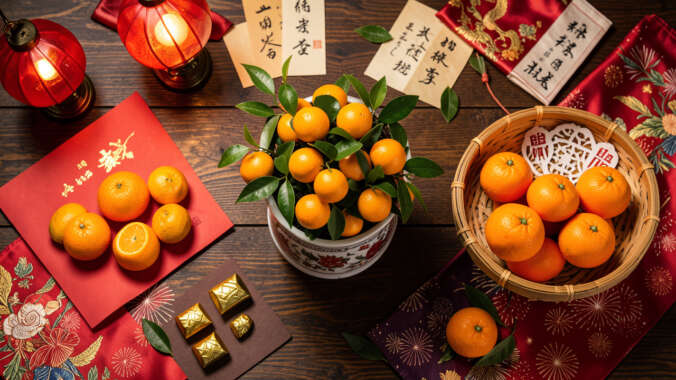
Beyond the loose fruit, the kumquat tree is hugely popular. “Kam” in kumquat also sounds like gold. A potted kumquat tree, laden with tiny orange fruits, is placed in homes and businesses.
It symbolizes a family blessed with wealth and good fortune that continues to grow.
Important: The number of fruits on the kumquat tree matters. Trees with an even number of fruits are preferred, as even numbers represent harmony. A tree with nine fruits is extra lucky, as “nine” sounds like “long-lasting.”
Diaspora Adaptations
In Western countries, access to specific varieties may be limited. However, the tradition adapts beautifully. Chinese communities in North America, Europe, and Australia ensure tangerines or oranges are available for celebrations.
Supermarkets stock up, and they become a key ingredient in holiday shopping.
The ritual of visiting family and friends, bringing fruit, and sharing meals remains. The symbolic core travels intact across oceans. It acts as a powerful cultural anchor for overseas families.
Why Is the Tangerine Considered an Auspicious Fruit?
Apart from its name and appearance, the tangerine has other inherent qualities that enhance its auspicious status. It is a natural, seasonal fruit during the winter festival period. Its biology and practicality also play a role.
The fruit is easy to share, peel, and eat, making it a communal food. Its segments naturally divide, perfect for sharing among family and guests. This practicality supports its role in a festival centered on gathering.
Historical and Agricultural Roots
Citrus fruits have been cultivated in China for thousands of years. They were considered rare and precious in ancient times, often associated with the elite. Offering them was a sign of great respect and wealth.
This historical association with luxury persists symbolically.
According to the Asian Cultural Council, citrus cultivation in China dates back to at least the Tang Dynasty (618–907 AD), where they were initially grown as ornamental plants for emperors. Their transition to auspicious gifts solidified over subsequent dynasties.
The Modern Symbol of Health and Vitality
Tangerines are packed with Vitamin C, representing health and energy. Wishing someone prosperity is also a wish for the health to enjoy it. In this way, the gift covers multiple dimensions of well-being.
It’s a holistic blessing.
The bright, zesty aroma is also uplifting. It cleanses the air and symbolizes clearing away the old to welcome the new. The sensory experience of the fruit—sight, smell, taste—reinforces the positive intentions of the New Year.
Key Auspicious Qualities
- Phonetic Luck: Names sound like “gold” and “luck” in multiple Chinese dialects.
- Visual Prosperity: Golden color and round shape evoke coins and wholeness.
- Communal Spirit: Easy to share, promoting family unity and harmony.
- Historical Prestige: Once a luxury item, carrying an air of preciousness.
- Natural Vitality: Represents health, freshness, and the energy of the coming spring.
- Aromatic Cleansing: Fresh scent symbolizes purification and new beginnings.
This combination of linguistic, visual, and practical factors makes the tangerine a uniquely potent symbol. No other single fruit carries so many positive meanings simultaneously.
What Common Mistakes Should You Avoid When Gifting Tangerines?
Even with the best intentions, cultural missteps can happen. Being aware of common errors ensures your gesture is received positively. It shows deeper respect for the tradition beyond just the act of giving.
The mistakes often involve presentation, quantity, or timing. These details, while seemingly minor, carry significant meaning. Avoiding them is part of mastering the etiquette.
Presentation and Quality Errors
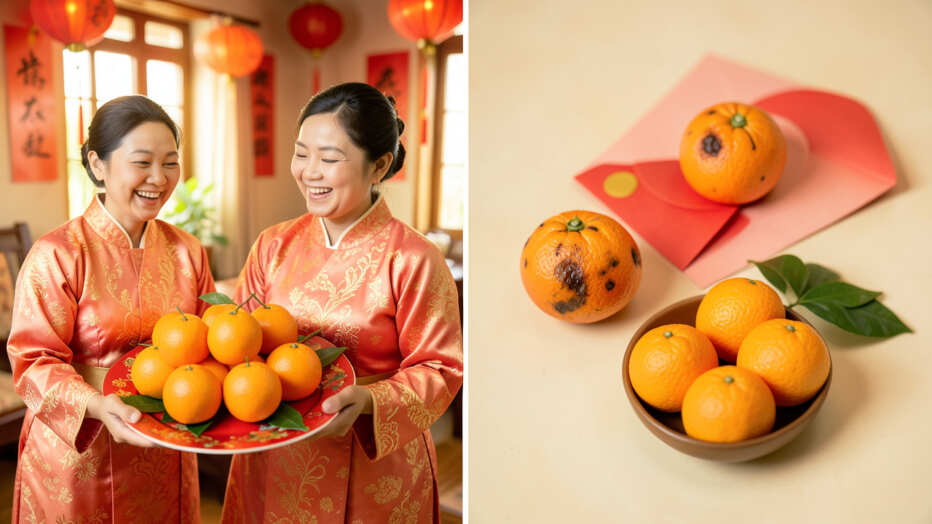
The most obvious mistake is giving poor-quality fruit. Tangerines should be firm, brightly colored, and unblemished. Wilted or dry leaves indicate the fruit is old.
Always choose the freshest you can find. Presentation in a red or gold container is preferred over plain plastic bags.
Another error is giving only the fruit without the stem and leaves. The greenery represents growth, life, and the continuity of good fortune. A bare fruit feels incomplete and less symbolic.
Always select fruit with stems intact.
Quantity and Number Superstitions
Gifting an odd number of tangerines is a major taboo. Odd numbers are associated with funerals and misfortune. Always give in pairs: two, four, six, or more.
Two is the minimum and most common. Avoiding the number four is wise, as it sounds like “death.”
Warning: Never give tangerines that are overly large or have a greenish skin, as this can imply unripeness or imperfection. Opt for medium-sized, perfectly orange fruit. Also, avoid gifts that include items with sharp points or edges in the same bag.
Timing and Context Missteps
Gifting before the New Year period (the 15 days of celebration) can be seen as premature. The ideal time is when visiting during the festival. Offering them at the very end of the celebration might imply a wish for late-coming luck.
It is also inappropriate to give tangerines to someone in mourning or recovering from a serious illness during this festive time. Sensitivity to personal circumstances is important. The gesture should always bring joy, not discomfort.
How Has the Tradition Evolved in Modern Times?
Like many ancient customs, tangerine gifting has adapted to contemporary life. Core symbolism remains, but its expression has changed. Urbanization, global commerce, and new technologies have influenced the practice.
The tradition persists because it is adaptable. It offers a tangible connection to heritage in a fast-paced world. Modern iterations often blend respect for the past with present-day convenience and style.
Digital Gifting and E-Gifts
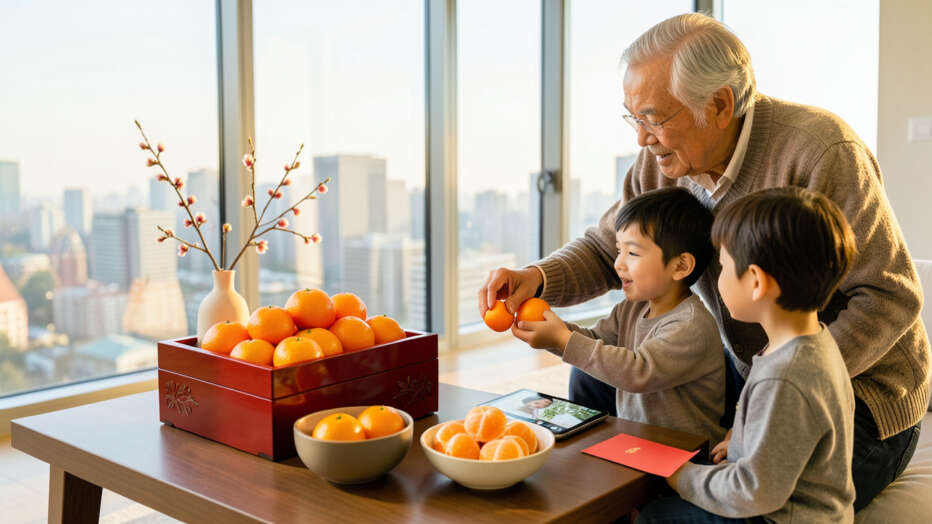
In the digital age, even fruit can be gifted virtually. Many people now send “red packets” (hongbao) or e-gifts via apps like WeChat. Some companies send high-end tangerine gift sets to clients with digital cards.
This extends the reach of the tradition across distances.
Online retailers now offer elaborate “lucky tangerine” gift boxes with premium varieties. They are shipped directly to loved ones. This innovation helps overseas families partake fully in the tradition.
Health-Conscious and Premium Varieties
Modern focus on health has boosted the appeal of organic and seedless varieties. Premium, hand-picked tangerines from specific regions (like Japan’s Dekopon or China’s Panzhihua tangerines) have become luxury gifts. They command high prices but carry an aura of exclusivity and superior taste.
This evolution doesn’t replace the symbolic fruit but adds a new layer of quality and prestige. The underlying wish for wealth and luck now includes a wish for refined health and luxury.
Commodification vs. Cultural Preservation
There is a tension between commercialization and authentic tradition. Major brands create massive marketing campaigns around “New Year Citrus.” While this boosts visibility, it can sometimes dilute the deeper meaning for younger generations.
Efforts by cultural institutions and families to explain the “why” behind the custom are vital. This ensures the practice remains a meaningful ritual, not just a commercial transaction. The story behind the fruit is as important as the fruit itself.
What Are the Historical Origins of This Symbolic Practice?
The use of auspicious symbols during Lunar New Year is ancient, but the specific association with tangerines gained prominence in later dynasties. The practice evolved as language and cultural symbolism intertwined. Historical records and folk legends provide the foundation.
The tradition is part of a broader system of New Year taboos and rituals designed to ward off the mythical beast “Nian” and invite good fortune. Every item placed in the home or given as a gift had a protective or attracting purpose.
Tang Dynasty Roots and Scholarly Influence
During the Tang Dynasty, citrus was a prized tribute item from southern regions. Its appearance in the imperial court linked it with royalty and wealth. Confucian scholars, who deeply influenced social customs, appreciated the fruit’s elegant symbolism.
Their writings likely helped spread its auspicious associations among the educated class.
By the Ming and Qing Dynasties, the practice was firmly established among common people. Folk tales and rhymes would have reinforced the lucky homophones, making the symbolism accessible to everyone, regardless of literacy.
Legend of the Prosperity Gate
A popular folk story tells of a village entrance guarded by two spirits. Only a basket of perfect, golden tangerines presented at the gate would appease the spirits and allow prosperity to enter the village for the new year. While apocryphal, such stories illustrate how the tradition was woven into community belief and practice.
The practice also connects to ancestor veneration. Tangerines were offered on altars to please ancestors and request their blessing for the family’s prosperity in the coming year. This added a spiritual dimension to the fruit’s role.
Evolution Timeline
| Period | Development |
|---|---|
| Pre-Tang Dynasty | Citrus introduced; limited to elite as rare, ornamental fruit. |
| Tang-Song Dynasties | Symbolic associations (gold, luck) begin to form among scholars and aristocrats. |
| Ming-Qing Dynasties | Tradition becomes widespread among common people; integrated into New Year rituals. |
| 20th Century | Practice travels with diaspora communities worldwide, adapting to local availability. |
| 21st Century | Commercialization, digital gifting, and premium varieties add new dimensions while core symbolism endures. |
Understanding this history underscores that the practice isn’t arbitrary. It’s a lived cultural script passed down through centuries, adapting while retaining its essential message of hope.
Frequently Asked Questions
Can I give oranges instead of tangerines for Chinese New Year?
Yes, oranges are a very common and appropriate substitute. In fact, in Cantonese culture, Mandarin oranges are often preferred. The key is the symbolism: they are also round, golden, and the word for orange in some dialects carries similar auspicious connotations.
The spirit of the wish is what matters most.
Why are tangerines sometimes placed in red bags?
Red is the luckiest color in Chinese culture, symbolizing joy, protection, and prosperity. Placing tangerines in a red bag combines two powerful lucky symbols—the fruit and the color—amplifying the good fortune being bestowed. The bag also makes the gift more presentable and ceremonial.
How many tangerines should I give as a gift?
You should always give an even number of tangerines. The most common gift is a pair (two). Four, six, or eight are also excellent choices as these numbers have their own lucky associations.
Avoid odd numbers and, if possible, the number four, though the latter is less critical in a gift of fruit than in other contexts.
What if I receive tangerines but don’t like them?
It is the gesture that counts. Accept the gift graciously with both hands as a sign of respect. You can simply eat them later, share them with others, or use them for cooking and baking.
The act of receiving with good wishes is the important cultural exchange.
Is the tradition the same in all Chinese communities?
The core symbolism is universal, but specific practices vary. Cantonese communities emphasize Mandarin oranges and verbal exchanges. Some northern regions might use different citrus.
The tradition is most prominent in southern China and Southeast Asian Chinese communities. However, the underlying wish for luck and wealth is constant everywhere.
Final Thoughts
The tradition of gifting tangerines during Chinese New Year is a beautiful tapestry of language, history, and heartfelt wishes. It transforms a simple fruit into a carrier of profound blessings for wealth, luck, and family unity. This practice remains a vibrant, living symbol of hope, connecting millions of people to their cultural heritage with every golden gift exchanged.
Embracing this custom is to embrace a timeless wish for a prosperous and happy year ahead.