
Peach Symbolism in Chinese Culture: Meaning & Significance
Peach symbolism in Chinese culture holds deep meaning, representing everything from immortality to protection. This guide explores the rich history and traditions behind this iconic fruit. You’ll learn how peaches influence festivals, art, and daily life today.
Simply put, the peach is a powerful cultural emblem in China, primarily symbolizing longevity, immortality, and divine protection. Its image is used to ward off evil spirits and is central to festivals celebrating long life.
Key Takeaways
- Peach symbolism in Chinese culture is most strongly associated with longevity and the quest for eternal youth.
- The peach is considered a “heavenly fruit” or divine object, linked to immortals and celestial realms.
- It is actively used as a protective charm against evil spirits and negative energy.
- Peaches feature prominently in major festivals, traditional medicine, art, and folklore.
- Understanding this symbolism provides insight into core values like respect for elders and familial bonds.

What is Peach Symbolism in Chinese Culture?
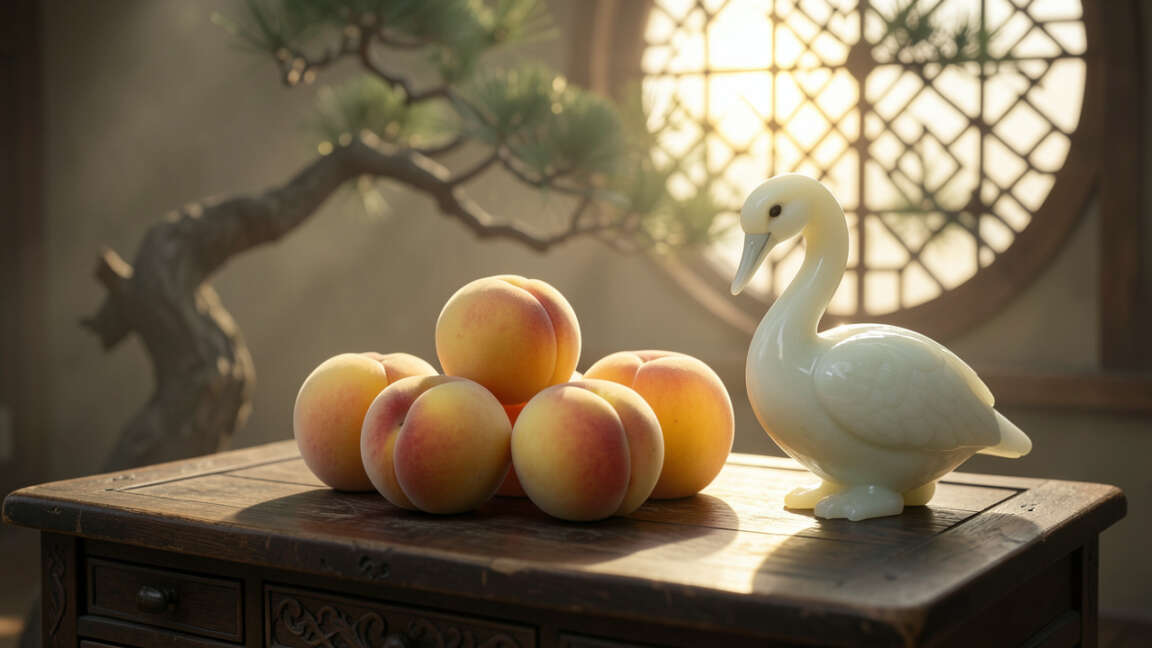
The symbolic meaning of the peach in China is ancient and layered. At its core, the peach represents longevity and immortality. This belief stems from the fruit’s long history in the region and its appearance in sacred texts.
According to Chinese mythology, peaches of immortality grow in the garden of the Queen Mother of the West, Xiwangmu. These divine fruits take thousands of years to ripen. Eating one grants eternal life to mortals. This story is the primary origin for the peach’s life-giving symbolism.
Beyond immortality, the peach holds other important meanings. The vibrant pink and red colors are considered lucky and festive. The fruit’s round shape is associated with completeness and wholeness. The tree itself, with its beautiful blossoms, signals the arrival of spring and renewal.
Here are the core symbolic associations:
– Longevity & Immortality: The most dominant meaning.
– Divinity & Heaven: As a food of the gods.
– Protection: Against evil spirits and disease.
– Spring & Renewal: Linked to blossoms and new life.
– Blessing: A wish for a long, healthy life.
This symbolism is not just historical. It remains a living part of contemporary Chinese life and celebrations. You’ll find peach imagery in places you might not expect, from hospitals to family homes.
How Did Peaches Become Linked to Longevity?
The connection between peaches and long life is rooted in ancient Chinese philosophy, religion, and medicine. It’s a combination of practical observation and powerful mythology. The Taoist tradition played a huge role in elevating the peach’s status.
Taoist priests and seekers of immortality believed in consuming specific items to extend life. The peach was considered a key elixir ingredient. Texts describe the “peaches of immortality” in detail, cementing their sacred status in the cultural consciousness. The practice of eating peaches or peach-derived items was thought to directly transfer their life-giving properties.
Chinese Traditional Medicine (TCM) also contributed to this link. Practitioners used various parts of the peach tree. Peach kernels (ren) and peach skin were recorded in herbal texts for their health benefits. While modern science confirms some nutritional value, the ancient association was more symbolic and energetic. Consuming the peach was seen as absorbing its vital “yang” energy.
The lifecycle of the peach tree also mirrors natural cycles of life and renewal. It blossoms in spring, fruits in summer, and stands bare in winter. This observable pattern made it a natural symbol for the cycles of life, death, and regeneration, with the fruit representing the peak of vitality.
Key influences on the longevity connection include:
1. Taoist Mythology: Stories of celestial peaches granting eternal life.
2. Traditional Herbalism: Use of peach parts in medicinal practices.
3. Philosophical Concepts: Alignment with ideas of “yang” energy and life force.
4. Visual Symbolism: The fruit’s round, full appearance representing wholeness and health.
This deep-seated belief is why a gift of peaches is one of the most meaningful presents you can give to an elder. It directly communicates a wish for their continued health and long life.

What Role Do Peaches Play in Chinese Festivals?
Peaches are central to celebrations focused on long life, particularly birthday banquets for elders. The “longevity peach” (shoutao) is the most famous tradition. These are often not real peaches but exquisite pastries or buns molded into a peach shape.
During a birthday celebration for someone turning 60 or older, a large longevity peach is presented. It is often the centerpiece of the dessert table. Offering this peach symbolizes a heartfelt wish for the honoree to live as long as the mythical peaches of immortality. The act is a profound show of filial piety and respect.
The use of peaches extends beyond birthdays. They are also significant during certain lunar New Year traditions and temple fairs. Images of peaches or peach blossoms may be displayed to invite good fortune and health for the coming year. In some regions, peach wood is used to craft protective charms.
The symbolism is so strong that specific foods are created to mimic the peach. Longevity peach buns (shoutao bao) are steamed buns filled with sweet paste, dyed pink, and shaped like a peach. They are a common gift and offering during these milestones.
Festivals and uses include:
– Elder Birthday Banquets: Presentation of a large longevity peach pastry.
– Gifting: Peach-shaped cakes or real peaches as gifts for seniors.
– Temple Offerings: Peaches may be offered to deities for blessings of health.
– Lunar New Year: Decorative motifs featuring peaches for general good fortune.
– Longevity Noodles: Often served alongside peach pastries at birthday meals.
The tradition makes the abstract wish for a long life tangible and celebratory. It’s a visual and edible blessing that carries centuries of meaning.

How Are Peaches Used in Chinese Traditions Beyond Food?
The protective power of the peach is just as important as its association with longevity. This is where the peach wood and branch come into play. Peach wood is believed to have potent demon-repelling properties.
For centuries, people have used peach wood to carve amulets, tablets, or figurines. A common practice was to hang peach wood charms above doorways or bedheads. This was done to cleanse the space of evil spirits and negative energy. The material was thought to act as a spiritual barrier.
This practice is deeply embedded in Chinese folklore and classic literature. The famous novel “Journey to the West” features a story where the monkey king, Sun Wukong, steals the peaches of immortality from heaven. This tale further boosted the fruit’s mythical status. Another classic, “Strange Tales from a Chinese Studio,” contains stories where peach wood items are used to subdue ghosts and fox spirits.
Today, you can still find modern interpretations of this tradition. During certain festivals, peach wood sticks might be displayed. Some people carry small peach wood carvings as personal protective talismans. The belief in its cleansing energy persists.
Practical uses for peach wood protection:
– Amulets & Charms: Worn or hung to ward off evil.
– Door Decorations: Placed above entrances for household protection.
– Carvings: Figurines of protective deities or symbols.
– Cleansing Rituals: Used in some folk ceremonies to purify spaces.
– Personal Talismans: Kept in a pocket or purse for safety.
While less common in urban daily life, these traditions show the peach’s role as a guardian. Its symbolism covers both the promotion of good health and the active rejection of harm.

What Are the Different Types of Symbolic Peaches?
Not all symbolic peaches are the same. Their meaning can shift based on context, whether they are real fruit, artistic depictions, or crafted objects. Understanding these nuances adds depth to the symbolism.
The most important distinction is between the fruit, the blossom, and the wood. Each carries a slightly different emphasis. The fruit is for longevity and immortality. The blossom signifies beauty, spring, and feminine grace. The wood is for protection and exorcism.
In art, the peach is often shown with other symbolic items. A peach combined with a bat represents “good fortune and longevity.” Paired with a crane, it amplifies the message of a long, peaceful life. The “Three Friends of Winter” (pine, bamboo, plum) sometimes includes peach blossoms to represent resilience and hope.
Here is a comparison of the primary symbolic peach forms:
| Peach Form | Primary Symbolism | Common Use |
|---|---|---|
| Peach Fruit | Longevity, Immortality, Blessing | Gifts, festival pastries, food offerings |
| Peach Blossom | Spring, Beauty, Love, Renewal | Paintings, floral arrangements, marriage symbols |
| Peach Wood | Protection, Purification, Exorcism | Amulets, door charms, ritual objects |
| Peach-shaped Pastry | Longevity, Celebration, Respect | Birthday banquets, temple offerings, gifts |
Tip: When giving a gift of peaches to a Chinese elder, fresh, high-quality peaches are wonderful. However, a beautifully crafted longevity peach pastry is often the more traditional and symbolically potent choice.
The context determines whether you’re invoking blessings of health, admiring beauty, or seeking spiritual protection. This versatility makes the peach a uniquely powerful symbol.

Who Needs to Understand Peach Symbolism?
Understanding the meaning of the peach is useful for several groups of people. It’s not just for scholars or historians. Practical knowledge of this symbol can enhance personal and professional interactions.
First and foremost, it’s valuable for anyone with Chinese friends, colleagues, or family members. Knowing that a birthday gift of a peach pastry is a profound gesture of respect shows cultural sensitivity. It turns a simple present into a meaningful connection.
Business professionals engaged with the Chinese market should also be aware. Incorporating peach imagery into New Year greetings or packaging for health products can resonate well. It shows an understanding of local values and can subtly align a brand with concepts of longevity and well-being.
Travelers and cultural enthusiasts will find this knowledge enriches their experience. Seeing peach motifs in temples, on souvenirs, or in traditional art gains deeper meaning. It transforms observation into appreciation. You can understand the story behind what you see.
Artists, designers, and content creators can draw inspiration from this rich symbolism. The peach offers a visual language that communicates deep cultural concepts instantly. Using it respectfully can add layers of meaning to creative work.
Finally, anyone practicing Traditional Chinese Medicine or martial arts might encounter related philosophy. The concepts of life force and energy (qi) are intertwined with the symbolism of certain foods and materials, including the peach.
In short, anyone seeking to engage meaningfully with Chinese culture will benefit from this knowledge. It bridges a cultural gap and demonstrates respect for deep-seated traditions.
Frequently Asked Questions
What does a peach symbolize in Chinese culture?
The peach primarily symbolizes longevity, immortality, and divine protection. It is considered a celestial fruit that grants eternal life and is used to ward off evil spirits and bad luck.
Why are peach pastries given at Chinese birthday parties?
Peach pastries, called longevity peaches, are given to wish the honoree a long and healthy life. This tradition stems from the mythical peaches of immortality and is a sign of deep respect for elders.
Is peach wood considered lucky?
Peach wood is not typically for “luck” in the sense of wealth. It is strongly associated with protection and purification. It is believed to repel evil spirits and cleanse negative energy, making it a protective charm.
Are peaches given as gifts for any occasion?
Peaches or peach pastries are most specifically given for milestone birthdays, especially for people over 60. While they can be a general health wish, their primary symbolic context is longevity celebrations.
How is the peach symbol used in modern China?
The symbol remains active. You will see peach imagery in birthday celebrations, in New Year decorations, on packaging for health-related products, and in traditional art. Its meanings of longevity and protection are still widely recognized and valued.
Final Thoughts
The peach is far more than a delicious fruit in Chinese culture. It is a potent symbol woven into the fabric of philosophy, religion, art, and daily life. From granting immortality in myth to blessing grandmothers at birthday banquets, its meaning is deeply personal and communal. Recognizing the significance of peach symbolism in Chinese culture offers a window into values that prize life, respect for elders, and spiritual well-being. Whether you encounter it in a story, a festival, or a gift, the peach carries a timeless message of health and protection.