
Symbolism of Noodles in Chinese Birthday Traditions Explained
The symbolism of noodles in Chinese birthday traditions represents more than just a celebratory meal. This practice, deeply rooted in cultural values, embodies profound wishes for longevity, health, and happiness. Understanding the meaning behind this ritual offers a window into the heart of Chinese familial and cultural heritage.
Simply put, noodles in Chinese birthday traditions are a powerful edible symbol for a long and healthy life. Their unbroken, long strands represent a wish for the birthday person to live a full, uninterrupted existence, making them a non-negotiable centerpiece of the celebration meal.
Key Takeaways
- The primary symbolism of noodles in Chinese birthdays is a wish for long life and longevity.
- The key to the symbolism lies in the noodles’ long, unbroken strands, which must never be cut.
- Longevity noodles are typically served plain, in a clear broth, to highlight their pure symbolic meaning.
- The act of eating the noodles is a ritual; the diner should try to eat as many strands as possible without breaking them.
- This tradition is a staple of birthday meals across China and many diaspora communities, adapting slightly by region.

What is the Longevity Noodle Tradition in Chinese Culture?
The tradition of serving noodles at birthdays is one of the most recognizable aspects of Chinese celebratory customs. Known as “long life noodles” or “shòu miàn” (寿面), they are the edible equivalent of singing “Happy Birthday.” This practice is believed to have originated during the Han Dynasty and remains a vibrant part of cultural expression today.
The core of the tradition is simple: the noodles symbolize the threads of life. Just as a single, long noodle strand represents an unbroken lifespan, a bowl full of them signifies a life filled with endless days, health, and vitality. The ritual is deeply embedded in Confucian values that respect elders and celebrate family continuity.
| Symbolic Element | Meaning |
|---|---|
| Long, unbroken strands | A wish for a long, uninterrupted life |
| Serving in a clear broth | Represents purity and clarity of life |
| The act of eating them | Actively “consuming” the wish for longevity |
| Often served to the eldest | Shows filial piety and respect for elders |
This tradition is a fundamental gesture of love and respect. It’s a tangible way for family members to express their deepest hopes for their loved one’s future. The noodles are not just food; they are a message, a prayer, and a celebration all in one bowl.

How Are Birthday Noodles Prepared and Served Differently?
The preparation and serving of longevity noodles follow specific guidelines to preserve their symbolic integrity. The most crucial rule is that the noodles must not be cut or broken during the cooking or serving process. They are bought, cooked, and served whole.
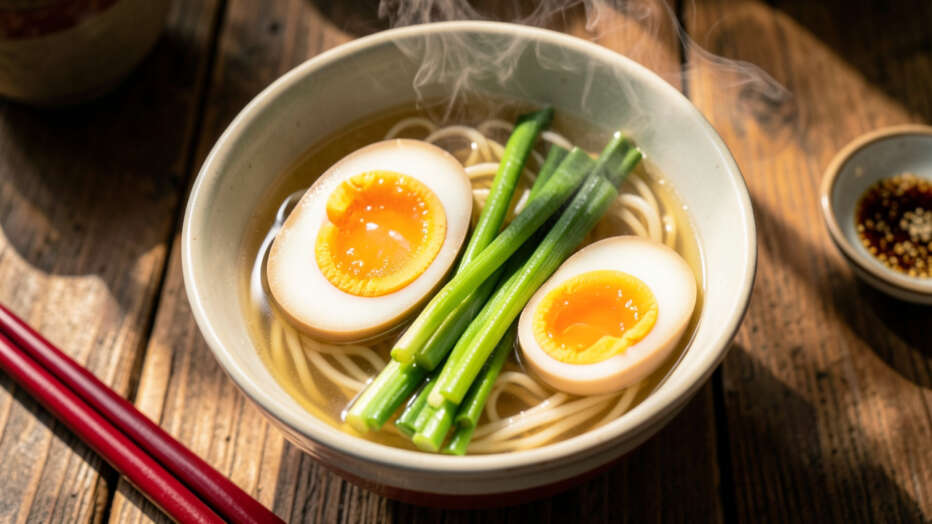
Typically, they are made from wheat flour, similar to fettuccine or udon, but the specific type can vary. They are cooked in boiling water until just tender, then immediately transferred to a bowl. They are most commonly served in a simple, clear broth made from chicken or pork stock, sometimes with a few simple garnishes.
- The Broth: Should be clear and light, symbolizing a smooth and unclouded life.
- The Garnish: Often minimal. A slice of pork, a green scallion, or a few pieces of bok choy may be added for color and modest flavor, but they do not overpower the noodles.
- The Serving Vessel: A large, deep bowl is used to hold the generous portion of long noodles.
- Serving Order: The noodles are often presented first or as a distinct course during the birthday banquet.
- Utensils: Chopsticks are the traditional tool for eating them, aiding the ritual of lifting long strands.
Tip: When cooking, use plenty of water and stir gently to prevent sticking. Rinsing them briefly in cold water after cooking can also help keep the strands separate and unbroken for serving.
In some southern regions, the noodles might be slightly thicker, and the broth could have a richer, more savory base. However, the principle of keeping the strands long and intact remains universal. The simplicity of the dish ensures the focus stays on its symbolic meaning rather than complex flavors.
Why Are Eggs Often Included in the Birthday Noodle Dish?
You will frequently find a hard-boiled egg or a fried egg nestled on top of the longevity noodles. This addition is not arbitrary; eggs carry their own powerful layer of symbolism in Chinese culture. They represent fertility, new beginnings, and potential.
The round shape of the egg signifies completeness and family unity. When combined with the long noodles, the egg amplifies the birthday wish. The noodles wish for a long life, while the egg wishes for that life to be full, vibrant, and potentially fruitful.
It creates a holistic blessing for the celebrant’s entire future.
How the egg is prepared can also vary. A simple poached or boiled egg is common. A fried egg, with its golden yolk, can symbolize wealth and prosperity.
Regardless of preparation, the egg serves as a powerful complementary symbol to the core message of the noodles.
| Symbolic Food Pair | Combined Meaning |
|---|---|
| Longevity Noodles | A long, unbroken life |
| + Hard-Boiled Egg | A long life full of completeness and new beginnings |
| + Fried Egg | A long life full of potential and prosperity |
According to cultural anthropologists studying Chinese folk customs, such food pairings are classic examples of “sympathetic magic,” where the properties of one symbol (the egg’s potential) are thought to influence or enhance the other (the noodles’ longevity). This layering of meaning makes the dish a dense text of cultural wishes.
How Does the Birthday Noodle Ritual Work?
The ritual of eating the noodles is as important as the dish itself. It transforms the act of consumption into a participatory ceremony. The birthday person is the guest of honor and the primary participant in this ritual.
It is not just about eating; it is about accepting and internalizing the well-wishes.
The celebrant is typically given the entire bowl. Family members may encourage them to eat as many noodles as possible in one go, symbolically “swallowing” as many years of good health as possible. It is considered auspicious to eat long, continuous strands.
Making a mess or dropping noodles is not ideal, but the focus is more on the sincere effort to eat them whole.
- Presentation: The bowl of noodles is placed before the birthday person with ceremony.
- Blessings: Family members will often offer verbal wishes for health and long life as the bowl is presented.
- Eating: The celebrant uses chopsticks to lift the noodles, aiming to keep the strands intact.
- Encouragement: Others may cheer them on, saying phrases like “Chī miàn chī nián suì” (吃面吃年岁), meaning “Eat noodles, eat years of age.”
- Completion: Finishing the bowl, or a significant portion of it, is seen as a positive sign for absorbing the blessing.
Warning: It is considered highly inauspicious to deliberately cut the noodles with scissors or a knife before serving. Likewise, the birthday person should avoid breaking the strands with their teeth if possible. The focus is on the metaphor of an unbroken life line.
This ritual reinforces family bonds. The collective focus on one person’s well-being strengthens emotional ties. It’s a shared performance of love and hope, where the food serves as the medium for emotional expression.

What Regional Variations Exist for Birthday Noodles?
While the core symbolism is consistent, the specifics of birthday noodles can vary significantly across China’s vast and diverse regions. These variations reflect local ingredients, climates, and culinary traditions, adding unique flavors to the universal wish for longevity.
In the northern provinces, where wheat is a staple, noodles are typically thicker and chewier. The broth might be richer, sometimes incorporating fermented bean paste. In the south, especially in coastal areas, rice noodles or thinner wheat noodles are more common.
The broth might be lighter and could include seafood elements like dried shrimp.
- Northern Style: Thicker, hand-pulled noodles in a hearty, savory broth. Garnishes might include pickled vegetables.
- Southern Style: Thinner rice vermicelli or egg noodles in a clear, delicate chicken or vegetable broth.
- Sichuan Twist: Some families might introduce a mild, non-spicy version of their famous “zhajiangmian” (fried sauce noodles) for birthdays, balancing tradition with local palate.
- Taiwanese Variation: Often served with a specific type of braised pork mince (lu rou) on top, though the noodles themselves remain long.
- Diaspora Adaptations: In Western countries, celebrants might use spaghetti as a substitute if Chinese noodles are unavailable, focusing on keeping the strands long.
According to a survey by the Chinese Culinary Institute, over 85% of Chinese families across all regions maintain the tradition of long noodles for major birthdays, though the specific recipe changes by locality. This adaptability has helped the tradition remain relevant and practiced for generations.

How Has the Tradition Evolved in Modern Times?
The symbolism of noodles in birthdays remains strong, but its practice has evolved with modern lifestyles, urbanization, and globalization. The core meaning is preserved, but the form it takes has adapted to contemporary life.
In bustling cities, many families now opt for convenience. Instead of preparing the noodles from scratch, they order them from specialized restaurants that offer “longevity noodle sets.” Some high-end establishments have turned the presentation into an art form, serving single, extraordinarily long noodles that are brought to the table dramatically.
Technology has also played a role. For families separated by distance, video calls often feature the birthday person eating their noodles while relatives watch and cheer from afar. Digital invitations may feature noodle graphics, and social media posts of the birthday noodle bowl are common, spreading the tradition’s visual symbol globally.
Important: Despite modern conveniences, the fundamental rules are often strictly followed. Many families still insist that the noodles must be homemade or from a trusted source to ensure they are perfectly unbroken, preserving the ritual’s integrity.
Furthermore, the tradition has become a point of cultural pride and education for younger generations and diaspora communities. It is often one of the first customs taught to children born abroad, serving as a tangible link to their heritage. The noodle ritual is more resilient than ever because it adapts in form while keeping its powerful symbolic heart intact.

What Other Foods Carry Similar Auspicious Meaning in Chinese Culture?
The birthday noodle is part of a larger culinary language of luck and blessing in Chinese culture. Understanding its context within this broader system reveals how food is deeply woven into the fabric of Chinese celebrations and hopes for the future.
Just as noodles symbolize longevity, many other foods are chosen for their symbolic names or shapes. This practice is especially prominent during the Lunar New Year, weddings, and other major life milestones. The symbolism is often based on homophones—words that sound alike but have different meanings.
| Food Item | Symbolic Meaning | Reason for Meaning |
|---|---|---|
| Spring Rolls | Wealth | Resemble gold bars |
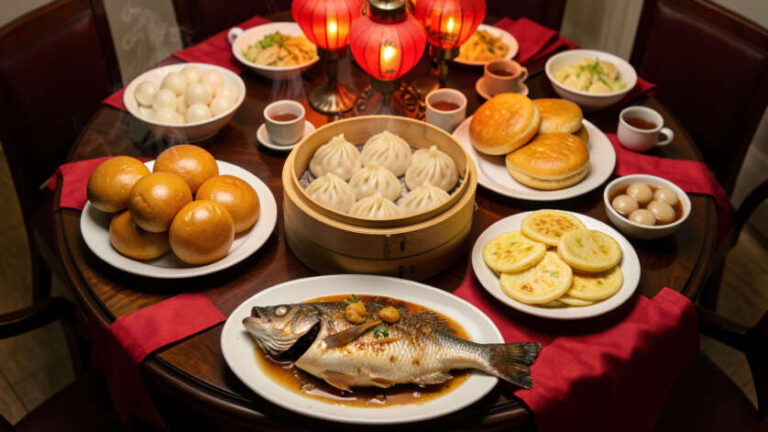
| Dumplings | Prosperity & Family Unity | Shaped like ancient money; shared dish |
| Whole Fish | Surplus & Prosperity | “Fish” (鱼, yú) sounds like “surplus” (余, yú) |
| Tangyuan (Sweet Rice Balls) | Family Togetherness | Their round shape symbolizes completeness and unity |
| Longevity Peaches (Baozi) | Long Life | Peaches are the mythical food of the immortals |
Within this ecosystem of symbolic foods, the birthday noodle holds a place of singular importance for age-related celebrations. While a wedding banquet will feature fish and dumplings, the noodle remains the star of the birthday table, uniquely dedicated to the wish for a long life ahead.
Frequently Asked Questions
Can I use instant noodles for a birthday celebration?
While you could technically use instant noodles, they are generally not recommended. The tradition emphasizes natural, unbroken strands, and instant noodles are pre-cut and often fried. For the most authentic and respectful practice, use fresh or dried Chinese-style wheat or rice noodles that come in long bundles.
What if the noodles break while cooking or eating?
A few broken strands are not a catastrophe, and modern sensibilities are more relaxed about it. However, the goal is to keep them intact. To minimize breakage, cook them in plenty of water, stir gently, and use chopsticks to lift them carefully when eating.
The sincere intention behind the ritual is what matters most.
Is this tradition only for elderly people?
Not at all. While it is most emphasized for milestone birthdays like a person’s 60th, 70th, or 80th, longevity noodles are served for almost any birthday in a traditional setting. It is a universal wish for health and long life, so children and adults alike receive a bowl of noodles on their special day.
Are there vegetarian versions of longevity noodles?
Absolutely. The vegetarian or vegan version simply uses a vegetable-based clear broth. The symbolism is entirely contained within the noodles themselves, so the broth can be adapted to any dietary requirement.
Common vegetarian broths use mushrooms, soybeans, and root vegetables.
How much of the noodle bowl should be finished?
Ideally, the birthday person should eat a generous portion, if not the entire bowl, to symbolically receive the full blessing. However, there is no strict rule. In modern practice, enjoying a significant amount is considered sufficient to honor the tradition and the gesture.
Final Thoughts
The tradition of birthday noodles is a beautiful culinary ritual that communicates love, respect, and hope for a long, unbroken life. Its power lies in its simplicity—transforming a humble bowl of noodles into a profound cultural text. From the careful cooking that keeps strands whole to the earnest effort of eating them, every step is imbued with meaning.
Whether in a bustling Beijing apartment or a kitchen in the diaspora, this practice continues to connect generations. It reminds us that in Chinese culture, food is far more than sustenance; it is a language of the heart, and a bowl of long noodles speaks volumes about the wish for a future filled with abundant days.