Symbolism of Pairs & Even Numbers in Gifts Explained
Gifting a single item is often sufficient, but the choice to give a pair or an even number of something carries a deeper significance. The symbolism of pairs and even numbers in gift-giving is a tradition woven into cultures worldwide, conveying messages of balance, harmony, and partnership far beyond the objects themselves. Understanding these meanings can transform your presents from thoughtful to profoundly meaningful.
Simply put, giving gifts in pairs or even numbers is a powerful non-verbal way to wish recipients balance, harmony, and completeness. It reflects a universal belief that even numbers represent stability and partnership, making them ideal for celebrating unions, friendships, and shared journeys.
- Symbols of balance and harmony are the core reason pairs are given.
- Even numbers, especially pairs, represent partnership and togetherness.
- Common gift pairs like chopsticks or candlesticks carry specific cultural meanings.
- The tradition extends beyond objects to even-numbered flowers, chocolates, and items.
- Choosing an even number is a deliberate act to convey unity and equality.
What is the Symbolism of Pairs in Gift-Giving?
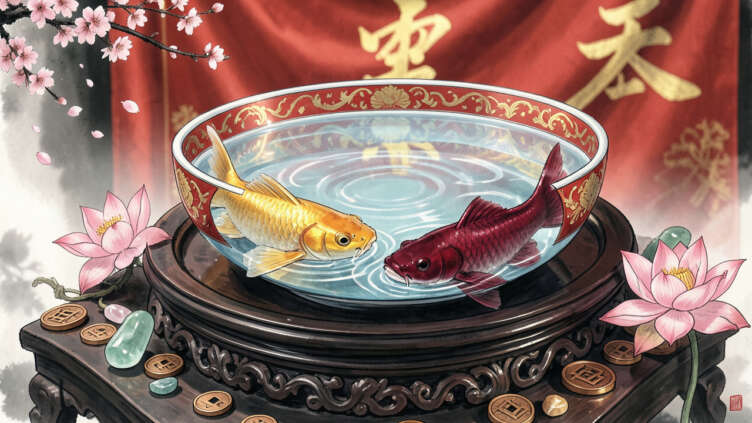
The symbolism of pairs is rooted in fundamental concepts of duality and completeness. Across many societies, the number two represents two halves making a whole, embodying concepts like balance, partnership, and mutual support. When you give a pair of items, you’re not just giving two things; you’re offering a symbol of union and equilibrium. This makes paired gifts particularly potent for weddings, anniversaries, and engagements, where two individuals are becoming a team.
This duality is mirrored in nature and philosophy, from day and night to the Yin and Yang symbol. Gifting a pair acknowledges and celebrates this balance. It suggests that the recipient’s life—or the relationship you’re honoring—is in perfect accord. For example, a pair of wine glasses signifies shared moments and celebration, while a set of bookends represents a stable foundation and shared interests.
The intent behind a paired gift is often to wish the recipient harmony in their endeavors. It can be a way of saying, “May your life be balanced,” or “Wishing you both unity and cooperation.” This meaning is so powerful that even single items are often sold or gifted in sets of two to maintain this auspicious symbolism.
Key Concepts of Pair Symbolism:
Balance: Two equal parts creating stability.
Partnership: Representing a union, be it romantic, platonic, or professional.
Completeness: The idea that two together form a perfect, whole unit.
Equality: Signifying mutual respect and even footing.
Duality: Acknowledging complementary forces or aspects.
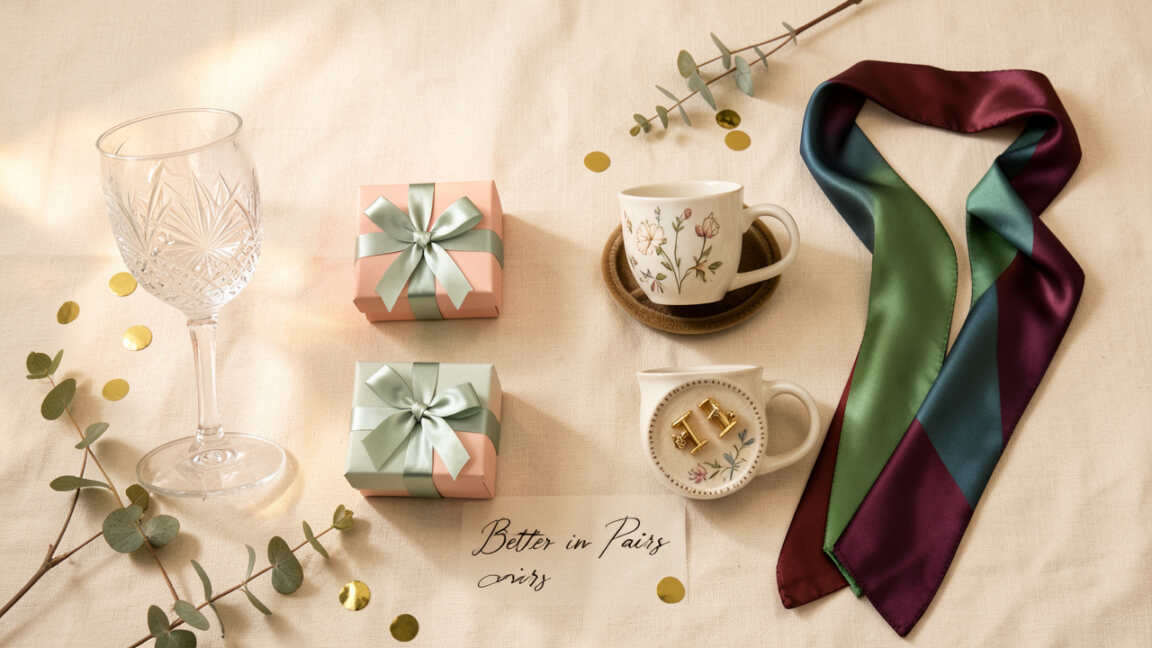
Why Do We Give Pairs of Items as Gifts?
The practice of gifting pairs stems from both cultural traditions and innate human psychology. Historically, even numbers were often considered lucky or auspicious, while odd numbers could be associated with misfortune or the incomplete. Gifting a pair was a way to bestow good fortune and avoid any implication of lack. This tradition persists today, not always as a superstition, but as a deeply ingrained custom signifying positive wishes.
Psychologically, pairs are pleasing to the human mind. Our brains are wired to recognize patterns, and symmetry is a key component of beauty and order. A pair of objects is inherently symmetrical, creating a sense of visual and conceptual harmony. When we give a pair, we are, in effect, giving a piece of that satisfying order to the recipient’s life.
Furthermore, a pair explicitly includes another. It’s an invitation to share. A pair of mugs is an invitation for coffee with a friend. A pair of chairs is for conversation. This social dimension is crucial—the gift facilitates connection and shared experience, reinforcing the symbolism of togetherness and partnership. It moves the object from being merely decorative to being functional in building relationships.
The practice is also reinforced by practicality. Many household items are naturally paired: earrings, cufflinks, gloves, salt and pepper shakers. Gifting them as a complete set is practical, but the underlying symbolic choice to present them together rather than as individual items amplifies their meaning.
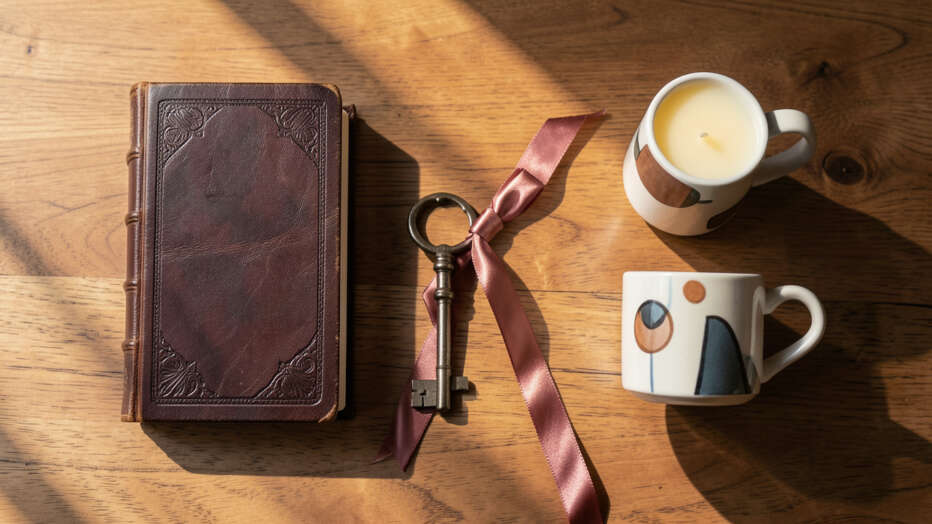
Common Gift Pairs and Their Specific Meanings
Certain paired gifts have become iconic due to their potent and widely understood symbolism. Choosing these items can make your message even clearer.
| Gift Pair | Primary Symbolism |
|---|---|
| Chopsticks | Lucky pair in many Asian cultures; represent prosperity, teamwork, and harmony. A couple using them is united in purpose. |
| Candlesticks | Balance and illumination. Two candles together shed more light, symbolizing a brighter future built together. |
| Bookends | Support and a shared foundation. They hold up stories, representing a life of shared knowledge and stability. |
| Wine Glasses/Flutes | Celebration and shared toast. The act of clinking glasses is a ritual of unity and joyful moments together. |
| Tea Cups and Saucers | Hospitality, friendship, and quiet conversation. A pair suggests a relaxing, shared ritual. |
| Salt and Pepper Shakers | Essential, complementary partnership. Different but equally important, perfect for a kitchen or dining gift. |
Tip: When gifting a pair like chopsticks or candlesticks, consider adding a note explaining the symbolism. It adds a thoughtful layer and educates the recipient on the depth of your gift choice.
The Broader Meaning of Even Numbers in Gifts
The positive connotation of even numbers extends far beyond physical pairs. It influences the quantity of many gifts we give, from flowers to chocolates. Even numbers are universally perceived as complete, stable, and harmonious, while odd numbers can feel unfinished or dynamic.
In the language of flowers, even-numbered bouquets are standard for celebratory gifts like birthday or congratulations arrangements. An even number signifies balance and is considered aesthetically pleasing and correct. Conversely, a single flower is a romantic gesture, and odd numbers are sometimes used in funerals or more somber occasions in some cultures, emphasizing separation or solitude.
The number two itself is just the first of a sequence of even numbers (2, 4, 6, 8, etc.) that all carry this weight. A gift of four tea towels, six artisanal chocolates, or eight identical candles all benefit from the auspicious feeling of even-numbered completeness. It suggests abundance that is orderly and harmonious.
This preference is not arbitrary. It’s deeply cultural and often subconscious. A gift of 11 macarons might feel randomly scattered, whereas a box of 12 feels like a complete, curated collection. The even number provides a container for abundance that feels intentional and satisfying.
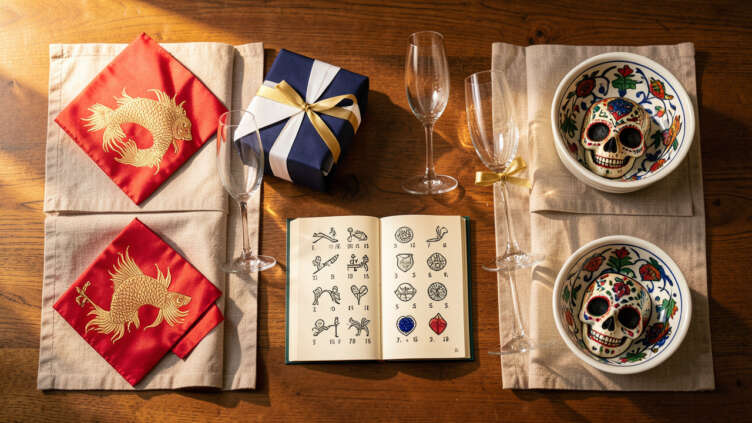
How Does Culture Influence the Symbolism of Gift Numbers?
Culture provides the specific lens through which number symbolism is interpreted. While the concept of pairs as positive is widespread, the specific meanings and preferences can vary dramatically across the globe. What is considered a lucky or appropriate number in one culture might be unlucky in another.
For instance, in many East Asian cultures, even numbers and especially the number eight are considered extremely lucky, associated with prosperity and fortune. Gifting items in sets of eight or giving a pair is a strong positive wish. The number four, however, is often avoided because its pronunciation is similar to the word for “death.”
In Western cultures, while even numbers are generally seen as balanced, the number 13 is famously unlucky, and specific associations are less rigid. The symbolism of pairs remains strong for partnerships. In some European traditions, odd numbers are preferred for funerals but even for celebrations.
Cultural Considerations at a Glance:
East Asia (China, Japan, Korea): Even numbers (2, 6, 8) are lucky; 4 is unlucky. Pairs are very positive.
Western Cultures: Even numbers symbolize balance and harmony. Pairs are ideal for couples. 13 is generally avoided.
India: The number 2 is auspicious. Even numbers are preferred for gifts to bring harmony.
Middle East: The number 3 is often considered lucky, but pairs can still signify partnership.
Feng Shui Principles: The number 2 is associated with love and marriage, making pairs perfect for weddings.
Warning: Be mindful when gifting to recipients from a different cultural background. A quantity that seems harmless to you might have an unintended negative connotation. When in doubt, a beautiful pair is almost always a safe and meaningful choice.

Gifts to Avoid: The Unlucky or Inappropriate Numbers
Just as even numbers carry positive weight, certain numbers and quantities can carry negative connotations or be considered inappropriate. Being aware of these helps avoid accidental offense. The most common taboo is the number three in certain contexts. While often lucky in the West, in some Asian cultures, a set of three items can be associated with death or is used for offerings to the deceased. Gifting a set of three bowls or vases might be misinterpreted.
The number four is widely avoided across much of Asia due to its phonetic similarity to “death.” Giving four of anything, especially in sets meant to be used together, would be a grave misstep. Similarly, while odd numbers are fine for personal items like a single beautiful scarf, giving a set of three or five of an item intended for use by a couple (like wine glasses) can subtly imply incompleteness or isolation.
Beyond specific numbers, context is king. A single, exquisite piece of jewelry is a powerful romantic gift, symbolizing “you are the one.” However, gifting a single earring or a single sock is simply impractical and nonsensical. The key is whether the number aligns with the item’s function and the relationship’s context. For household items meant for sharing or display, even numbers, especially pairs, are the safest and most symbolic choice.
How to Choose the Right Even-Numbered Gift
Selecting an even-numbered gift effectively involves more than just picking a random even quantity. Consider the item’s purpose, the recipient’s lifestyle, and the message you wish to convey. Start with the relationship. For a couple, a pair of anything—glasses, towels, ornaments—is a direct symbol of their union.
Next, think about the item’s function. Is it something used daily, like mugs or coasters? A set of four or six makes a practical and symbolically complete gift. Is it decorative, like candles or bookends? A pair provides symmetry. The even number should enhance the gift’s usability or aesthetic appeal, not hinder it.
You can also use even numbers to create a theme or experience. A gift basket with six gourmet cheeses, four bottles of craft beer, and a pair of cheese knives creates a curated, harmonious tasting experience. The even quantities contribute to a sense of thoughtful completion and orderliness within the collection.
Steps for Selecting Your Gift:
1. Identify the Core Symbolism: Do you want to emphasize partnership (pair), abundance (set of 6, 8), or harmony (set of 4)?
2. Consider the Item’s Use: Will it be used by one person or shared? Shared items benefit greatly from being paired.
3. Factor in the Recipient: What is their aesthetic? A minimalist might appreciate a single, perfect pair; someone who loves hosting might appreciate a set of eight.
4. Check Cultural Context: Do your due diligence if the recipient is from a culture with specific number associations.
5. Present it Thoughtfully: If the symbolism is important, a small card explaining your choice of number can add tremendous value.
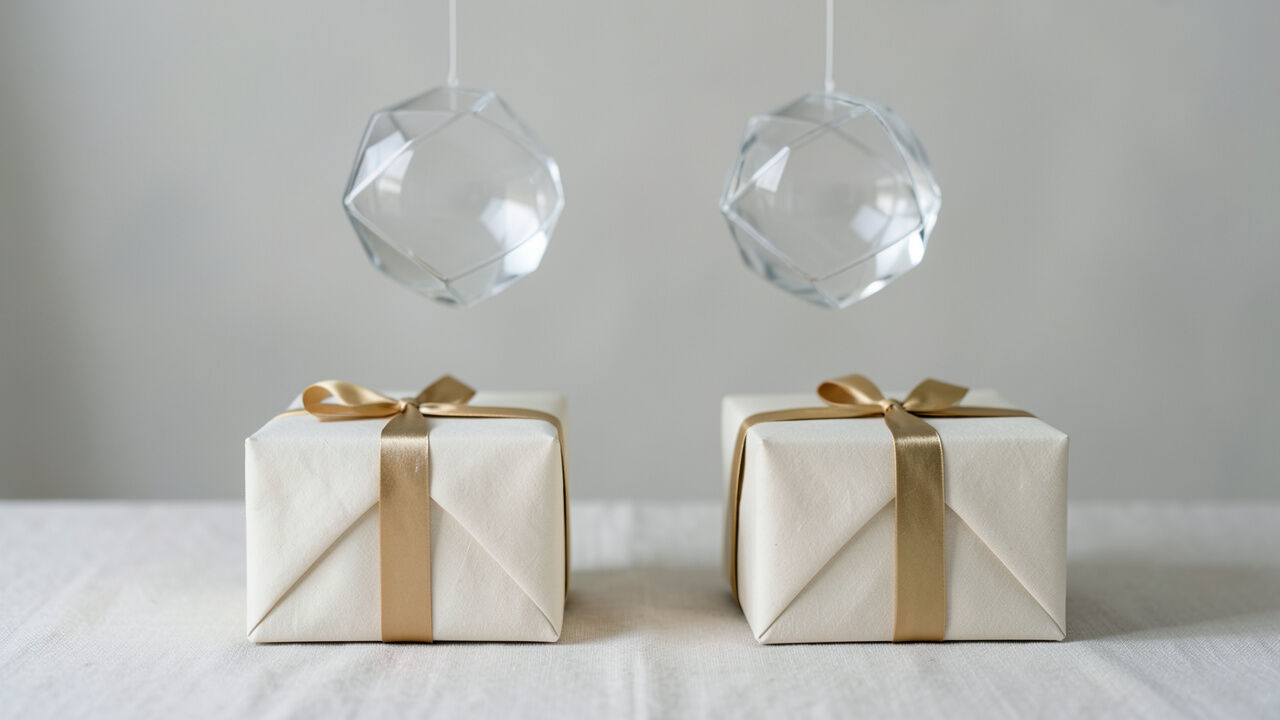
The Psychology Behind Choosing an Even Number
The preference for even numbers in gifts taps into deep psychological principles of order and predictability. Our brains naturally seek patterns and find comfort in symmetry. An even-numbered set provides a sense of closure and completion that an odd number can lack. This isn’t just about superstition; it’s about cognitive ease.
When we receive a set of four matching plates, the pattern is complete and satisfying. An odd number, like five plates, might subconsciously leave us expecting another to complete the set. This sense of psychological completeness translates into a feeling that the gift is well-considered and whole. It shows the giver paid attention to the details, not just the object.
Furthermore, even numbers promote a feeling of balance and fairness. This is particularly relevant in gifts that will be shared. A pair of theater tickets feels fair and balanced. A set of eight champagne flutes says, “There is enough for everyone, and the distribution is even.” This eliminates any potential awkwardness about sharing and emphasizes communal joy.
The giver also experiences satisfaction in choosing an even number. It feels like completing a puzzle correctly. The act of selecting a harmonious, ordered set aligns with the intention of wishing well-being and stability to the recipient. The psychology works both ways, enhancing the gifting experience for both parties.

Are There Modern Exceptions to the Even-Number Rule?
Absolutely. Modern gift-giving is often driven by aesthetics, personal taste, and specific branding rather than strict numerical symbolism. A designer might release a collection centered around the number three, or a single, standout statement piece—a unique sculpture, a piece of tech—might be the perfect gift, far outweighing any considerations of pairing.
The rule of even numbers is a guideline, not a law. A single, magnificent potted orchid can be more impactful than a pair of small succulents. The value lies in the thought and appropriateness. In creative or artistic contexts, odd numbers are often used for their dynamic, visually interesting effect. A trio of wall art pieces can create more engaging visual tension than a pair.
The key modern exception is personalization and sentimentality. A custom-engraved item, no matter its quantity, carries its own powerful symbolism. Similarly, gifts of experiences—concert tickets, cooking classes, spa days—transcend numerical rules. The focus here is on the memory and the shared time, which is inherently about partnership and can stand alone without needing a pair.
However, even in modern contexts, returning to the symbolism of pairs provides a reliable foundation when you’re unsure. If you’re gifting housewares, accessories, or traditional items, opting for a pair or an even set remains a respectful and meaningful choice that taps into a long, positive tradition.
Frequently Asked Questions
Is it bad luck to give an odd number of gifts?
It depends entirely on the cultural context and the item. In many Western cultures, an odd number like a single flower (for romance) or a set of three (for balance) is perfectly fine. However, in some East Asian cultures, gifting a set of three items can be associated with funerals, while a pair or even number is auspicious for celebrations.
What is the most common symbol of a pair in gifts?
Chopsticks are one of the most recognized symbols of a pair, representing prosperity and teamwork in many Asian cultures. Other common symbols include wine glasses (shared celebration), bookends (stable foundation), and earrings or cufflinks (personal adornment and partnership).
Does the symbolism change if I give a pair of something very small?
The core symbolism of partnership and balance remains, regardless of size. A pair of small, delicate earrings still represents the duality and connection between two people. However, the impact might be more subtle.
A larger paired gift like vases or chairs makes the symbolic statement more visually prominent.
Can I give a single, very expensive item as a gift instead of a pair?
Yes, absolutely. A single, high-quality, or highly personalized item is a powerful gift in its own right. Its value and the sentiment behind it take precedence over numerical symbolism.
The symbolism shifts to “you are unique” or “this is for you alone,” which is equally meaningful.
Are there any even numbers I should definitely avoid?
In many East Asian cultures, the number four is strongly associated with death and should be avoided for celebratory gifts. In the West, while the number 13 is often considered unlucky, giving a set of thirteen items is so unusual that it’s rarely an issue. When in doubt, sticking to classic pairs (two) or other clearly positive even numbers like six or eight is safest.
Final Thoughts
The tradition of gifting in pairs or even numbers is a timeless way to communicate profound wishes for balance, harmony, and unity without saying a word. This practice transcends mere superstition, reflecting deep psychological preferences for symmetry and order. Whether you choose a classic pair of candlesticks or a set of six gourmet teas, the even quantity enhances the gift’s message.
By understanding the symbolism of pairs and even numbers, you add a valuable layer of intentionality to your gifts. You move beyond the object itself to offer a wish for the recipient’s well-being and relationships. Next time you select a present, consider not just the item, but the powerful story told by its number.