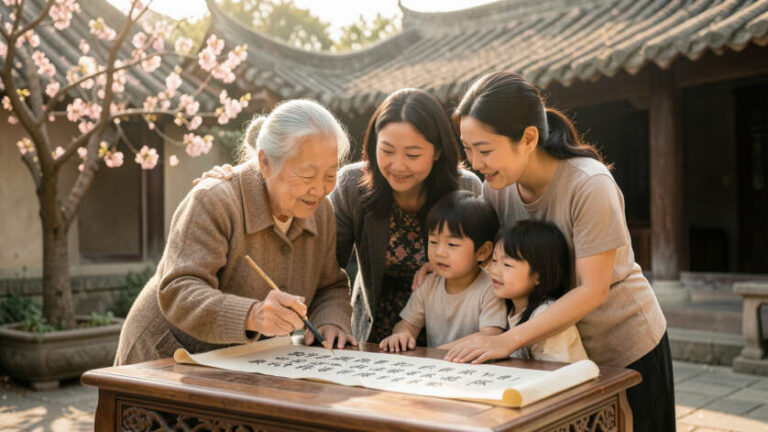

Chinese Proverbs About Wisdom and Patience You Should Know
Chinese proverbs about wisdom and patience are timeless nuggets of Eastern philosophy that have guided millions for centuries. These sayings, often just a few characters long, pack profound insights into life’s greatest challenges. Whether you’re facing a difficult decision or learning to wait for the right moment, these ancient words offer practical, enduring advice.
This post explores the most powerful Chinese proverbs on these essential virtues, explaining their meanings and how you can apply them in your daily life.
Simply put, Chinese proverbs about wisdom and patience teach that true insight comes from thoughtful observation and calm perseverance, not impulsive action. They remind us that the deepest understanding and the greatest successes are often cultivated slowly, like a tree growing strong roots before bearing fruit.
Key Takeaways
- Chinese proverbs about wisdom and patience are derived from major philosophical traditions like Confucianism, Taoism, and Legalism, each emphasizing different aspects of character development.
- These sayings provide a practical framework for making better decisions by encouraging reflection, learning from mistakes, and embracing gradual progress.
- Applying this ancient wisdom can reduce modern stress, improve personal relationships, and foster long-term success in professional endeavors.
- The core message is that wisdom and patience are not passive traits but active disciplines that must be practiced consistently.
- Many proverbs highlight the interconnected nature of these virtues, suggesting you cannot truly possess one without the other.
What Are Chinese Proverbs About Wisdom and Patience?
Chinese proverbs about wisdom and patience, or chengyu (四字成语) and xiehouyu (歇后语), are concise, metaphorical sayings passed down through generations. They are a cornerstone of Chinese culture, encapsulating complex philosophical concepts in easy-to-remember phrases. Wisdom in this context is not just about knowledge, but about discernment, moral clarity, and the ability to see the essence of a situation.
Patience is viewed as a form of inner strength and a prerequisite for achieving any meaningful goal.
These proverbs often draw from nature, historical events, or everyday observations to illustrate their points. For example, the slow, steady growth of a bamboo stalk becomes a metaphor for building a solid foundation before expecting results. The core belief is that both wisdom and patience are cultivated virtues, not inborn traits.
They require conscious effort, self-discipline, and a willingness to learn from the world around you.
Their enduring relevance lies in their universality. While rooted in ancient Chinese society, their advice on humility, perseverance, and thoughtful action applies to anyone, anywhere. They serve as mental models, helping you reframe challenges and adopt a more balanced perspective when emotions run high or outcomes seem uncertain.
The Philosophical Roots of Patience and Wisdom
The emphasis on these virtues stems directly from China’s major philosophical schools. Each tradition contributes a unique flavor to the understanding of what it means to be wise and patient.
- Confucianism (儒家): Focuses on wisdom as moral integrity and social harmony. Patience is tied to self-cultivation and fulfilling one’s role in society with propriety and grace. A famous concept is “rectification of names,” which requires careful, patient thought about one’s duties.
- Taoism (道家): Views wisdom as aligning with the natural order of the universe, the Tao. Patience is the art of effortless action, or wu wei, which means acting in harmony with circumstances rather than forcing outcomes. Rushing is seen as a sign of ignorance.
- Buddhism (佛家): Introduced concepts like karma and mindfulness, framing patience as a form of mental discipline essential for enlightenment. Wisdom involves seeing the transient nature of all things, which naturally cultivates a patient, unattached mind.
| Philosophy | View on Wisdom | View on Patience |
|---|---|---|
| Confucianism | Moral discernment and knowledge | Self-discipline for societal good |
| Taoism | Understanding the natural way | Effortless, non-forcing action |
| Buddhism | Insight into reality’s nature | Mental calm and endurance |
10 Iconic Proverbs on Wisdom and Their Deeper Meanings
Ancient Chinese thought is rich with sayings that distill profound wisdom into brief, memorable lines. These ten proverbs, in particular, offer clear guidance on cultivating insight and the strength that comes from understanding. They are not just literary artifacts but practical tools for self-reflection and decision-making.
- 听其言,观其行 (Tīng qí yán, guān qí xíng) – “Listen to what they say and watch what they do.”
True wisdom lies in discerning reality from mere words. This proverb teaches you to observe actions over time to understand a person’s or situation’s true nature. It’s a guard against being misled by promises or appearances. - 吃一堑,长一智 (Chī yī qiàn, zhǎng yī zhì) – “A fall into a pit, a gain in your wit.”
Mistakes are not failures but essential teachers. This saying reframes setbacks as direct investments in your future wisdom. The wise person learns from every experience, especially the difficult ones. - 路遥知马力,日久见人心 (Lù yáo zhī mǎ lì, rì jiǔ jiàn rén xīn) – “A long road tests a horse’s strength; time reveals a person’s heart.”
Genuine character and true capability can only be proven through endurance over time. This proverb advises patience in judging people and situations, urging you not to rush to conclusions. - 欲速则不达 (Yù sù zé bù dá) – “Haste makes waste.”
This is the quintessential proverb on patience. Pursuing a goal with frantic speed often leads to mistakes and incomplete results. True, lasting achievement requires a deliberate, steady pace. - 塞翁失马,焉知非福 (Sài wēng shī mǎ, yān zhī fēi fú) – “The old man at the border lost his horse; how could one know it is not good fortune?”
It highlights the unpredictable nature of fortune and the wisdom of not judging events too quickly. What seems like a loss may contain hidden benefits, and vice versa. This calls for a long-term, patient perspective. - 三思而后行 (Sān sī ér hòu xíng) – “Think three times before you act.”
A direct call for careful deliberation. Impulsive decisions are the enemy of wisdom. This proverb advises a thorough mental review of plans, consequences, and alternatives before committing. - 知者不惑,仁者不忧,勇者不惧 (Zhī zhě bù huò, rén zhě bù yōu, yǒng zhě bù jù) – “The wise are free from perplexity; the benevolent from worry; the courageous from fear.”
This saying from Confucius links wisdom directly to a state of emotional calm. True knowledge eliminates confusion, providing a stable foundation for action. - 水滴石穿 (Shuǐ dī shí chuān) – “Dripping water penetrates stone.”
Perhaps the most famous metaphor for patience. It teaches that persistent, consistent effort, however small, can overcome the hardest obstacles. It is the ultimate encouragement for long-term endeavors. - 学而不思则罔,思而不学则殆 (Xué ér bù sī zé wǎng, sī ér bù xué zé dài) – “Learning without thought is labor lost; thought without learning is perilous.”
Wisdom requires the patient integration of experience (learning) and reflection (thinking). Rote memorization without understanding is useless, and uninformed speculation is dangerous. - 千里之行,始于足下 (Qiānlǐ zhī xíng, shǐ yú zú xià) – “A journey of a thousand miles begins with a single step.”
This proverb brilliantly combines wisdom and patience. It wisely identifies the need to start, while patiently reminding you that great achievements are built one small, manageable action at a time.
Tip: When remembering these proverbs, pair the Chinese phrase with its core metaphor. For example, link “欲速则不达” to the image of a garden rushed with too much water, which drowns the plants instead of helping them grow.
Why These Proverbs About Patience Still Matter Today
In an age of instant gratification and rapid technological change, the call to be patient can feel outdated. However, Chinese proverbs about patience offer a powerful antidote to the stresses of modern life. They provide a cognitive framework for managing anxiety, improving decision-making, and building resilience.
The wisdom here is not about passive waiting, but about active, purposeful perseverance.
Applying these principles can transform your personal and professional life. It helps you manage stress by focusing on what you can control – your effort and attitude – rather than fixating on immediate outcomes. In relationships, patient observation and listening build deeper trust than reactive judgments.
In business, a patient strategy often outlasts a frantic, short-term one.
How Impatience Harms Modern Decision-Making
Acting without sufficient information or thought is a common pitfall. Impatience often leads to choices you later regret, from hasty financial investments to poorly considered career moves. The proverbs serve as a mental checklist against these errors.
- Promotes Overreaction: Impatience amplifies emotional responses, leading you to make decisions from a place of stress or excitement rather than clarity.
- Increases Risk of Error: Skipping necessary research or planning, as warned by “欲速则不达,” virtually guarantees preventable mistakes.
- Undermines Learning: If you rush from one experience to the next without reflection, you miss the lessons that build true wisdom, as noted in “学而不思则罔.”
- Erodes Quality: Whether in work, art, or relationships, the final product suffers when rushed. Deep quality requires time and meticulous attention.
Benefits of Integrating This Ancient Wisdom
Consciously applying this wisdom brings tangible benefits that align with both Eastern philosophy and modern psychology. It is a practical skill for enhancing your well-being and effectiveness.
- Improved Emotional Regulation: Patience is a core component of emotional intelligence. These proverbs help you create a space between a stimulus and your response.
- Greater Long-Term Success: Projects and goals pursued with a “水滴石穿” mentality are more likely to reach completion because you expect and plan for a gradual process.
- Enhanced Personal Relationships: Understanding that people reveal themselves over time (“路遥知马力”) makes you a more forgiving and insightful friend, partner, and colleague.
- Reduced Anxiety and Stress: Letting go of the need for immediate control and results aligns with the Taoist concept of wu wei, significantly lowering chronic stress levels.
How to Practice Patience and Wisdom Using These Proverbs
Knowing these proverbs is one thing; living them is another. True integration requires turning passive knowledge into active practice. This involves conscious daily habits, reflective exercises, and a shift in how you view challenges.
The goal is to internalize these perspectives so they become your default response to life’s pressures.
You can start by selecting one proverb that resonates with a current struggle in your life. Use it as a mantra or a focal point for reflection. Write it down where you’ll see it often.
When you feel impulsive or confused, pause and ask yourself what that specific proverb would advise. This mindful repetition begins to rewire habitual patterns of thought and reaction.
A Daily Practice for Cultivating Inner Calm
Build a simple routine to reinforce the principles of patience and wisdom. Consistency is key, much like the proverb about dripping water penetrating stone.
- Morning Intention (2 minutes): Choose a virtue for the day – patience, discernment, or perseverance. Recall one relevant proverb. Set a simple intention like, “Today, I will observe before I judge.”
- Midday Check-in (1 minute): Pause and breathe. Ask: “Am I acting from wisdom or reactivity right now? Am I rushing something that needs time?” Adjust your course if needed.
- Evening Reflection (5 minutes): Review the day. Identify one moment where you practiced your chosen virtue and one where you struggled. There’s no judgment, only learning, as per “吃一堑,长一智.”
Common Mistakes to Avoid on the Path
Even with the best intentions, people often misunderstand or misapply these concepts. Avoiding these pitfalls will ensure your practice is productive.
Warning: Do not confuse patience with passivity or inaction. The proverbs advocate for deliberate, considered action, not for avoiding decisions altogether. True patience is active waiting with purpose.
- Treating Wisdom as Static Knowledge: Wisdom is not about collecting facts but about applying judgment. Don’t just memorize proverbs; think about how they change your approach to a real problem.
- Using Patience as an Excuse: Saying “I’m being patient” while doing nothing to prepare or improve is not the virtue. Patience is best paired with persistent, focused effort behind the scenes.
- Expecting Immediate Results from Practice: Just as the proverbs teach, developing these virtues is a gradual process. Getting frustrated because you aren’t instantly more patient defeats the purpose.
- Isolating the Virtues: Wisdom and patience are deeply interconnected. You can’t have one without the other. Practice them as a complementary pair.
Who Benefits Most From This Ancient Advice?
While universally applicable, certain groups can find particular value in delving into these Chinese proverbs about wisdom and patience. They provide a structured way to think through complex challenges that many people face at different life stages or professions.
Leaders and managers in any field can use these sayings to guide their strategic thinking and team interactions. The emphasis on long-term perspective and understanding human nature is invaluable for effective leadership. Students and lifelong learners benefit from the proverbs’ focus on integrating knowledge with reflection for deeper understanding.
Specific Groups and Their Key Takeaways
| Group | Primary Challenge | Relevant Proverb & Benefit |
|---|---|---|
| Entrepreneurs | Pressure for quick growth & results | “欲速则不达” – Focus on sustainable, solid foundations over flashy but fragile expansion. |
| Students | Frustration with slow learning curves | “水滴石穿” – Trust in the process of cumulative, daily study and practice. |
| Parents | Wanting children to succeed immediately | “路遥知马力” – Understanding that character and skills reveal themselves over years. |
| Individuals in Transition | Anxiety about career or life changes | “塞翁失马” – Maintaining perspective that today’s setback may be tomorrow’s opportunity. |
How Ancient Proverbs Compare to Modern Self-Help Advice
Modern self-help literature often promises quick fixes and revolutionary techniques. Chinese proverbs, by contrast, offer enduring principles that have withstood centuries of testing. They don’t provide a “hack” for patience but describe it as a fundamental discipline.
The comparison is not about which is better, but about understanding different approaches to personal growth.
The wisdom in proverbs is metaphorical and open to personal interpretation, allowing it to adapt to countless situations. Modern advice is often more prescriptive and formulaic. The proverbs encourage internal reflection, while many modern methods emphasize external actions and systems.
Both can be valuable, but the proverbs build a philosophical foundation that can make modern techniques more meaningful and lasting.
Frequently Asked Questions
What is the most famous Chinese proverb about patience?
The most universally recognized is “欲速则不达” (yù sù zé bù dá), which translates to “haste makes waste.” It perfectly encapsulates the idea that rushing often leads to inferior results or outright failure, making deliberate speed more effective than frantic haste.
How do I memorize Chinese proverbs effectively?
Focus on the core metaphor and visual imagery behind each proverb rather than just the literal translation. Connect the saying to a personal experience or a common life scenario. Write it down, say it aloud, and try to use it in conversation to solidify your memory.
Are these proverbs only for Chinese culture?
Not at all. While they originate from Chinese thought, their core messages about human nature, perseverance, and discernment are universal. People from all cultural backgrounds can and do use them as powerful mental models for navigating life’s complexities.
Can studying proverbs really make me wiser?
Studying them alone is not enough. Wisdom comes from applying the lessons to your own life and reflecting on the outcomes. These proverbs act as a framework; you must supply the experiences and thoughtful analysis to turn their advice into genuine personal wisdom.
What’s a good first proverb for someone new to this topic?
“千里之行,始于足下” (A journey of a thousand miles begins with a single step) is an excellent starting point. It is positive, actionable, and perfectly balances the need for vision (the long journey) with the patient requirement of starting small with one manageable step.
Final Thoughts
The wisdom of Chinese proverbs about wisdom and patience offers a timeless guide to navigating life’s inevitable challenges with greater calm and clarity. By internalizing sayings like “欲速则不达” and “水滴石穿,” you adopt a resilient mindset that values process over immediate outcome. These ancient truths remind you that the most valuable assets—deep understanding, strong character, and lasting success—are not rushed.
They are cultivated slowly, with deliberate care and enduring patience.