

How Parents Use Zodiac Signs to Choose a Baby’s Birth Year
Parents use zodiac signs, including both Western sun signs and Chinese animal years, to plan pregnancies so their child is born under a specific sign believed to influence personality traits or fortune. This practice combines cultural tradition with modern fertility planning, with a 2023 study finding that 38% of parents in East Asian countries consider zodiac compatibility before family planning. The key takeaway is that while zodiac birth planning remains common worldwide, especially for auspicious Chinese animal years like the Dragon, medical professionals advise that such timing should not outweigh healthy pregnancy considerations.
More parents than ever are timing pregnancies so their baby is born under a specific zodiac sign. This guide explains how parents use zodiac signs to choose a baby’s birth year and what drives this global trend.
Simply put, parents use zodiac signs – both Western sun signs and Chinese animal years – to plan birth timing, hoping their child inherits certain personality traits or good fortune. This practice combines cultural tradition with modern fertility planning, and it remains surprisingly common across many cultures worldwide.
Key Takeaways
- Parents plan birth years around both Western zodiac signs and Chinese animal signs to influence perceived personality outcomes.
- Chinese zodiac birth planning often focuses on auspicious animal years like the Dragon, which is associated with power and success.
- A 2023 study from the Journal of Cross-Cultural Psychology found that 38% of parents in East Asian countries consider zodiac compatibility before family planning.
- Western zodiac planning typically targets specific sun sign periods that align with desired temperament traits.
- Medical professionals advise that zodiac planning should never override essential health considerations for mother and baby.

What Is Zodiac Birth Planning
Zodiac birth planning is the practice of timing conception or delivery so a child is born under a specific zodiac sign or animal year. Parents choose these signs based on cultural beliefs about personality, luck, and life outcomes.
According to a, approximately 29% of American adults believe in astrology. In East Asian countries, that number climbs much higher for traditional zodiac systems.
Two major systems dominate this practice. Western astrology assigns personality traits based on sun sign periods. Chinese astrology assigns animal signs that repeat every twelve years with five elemental variations.
Tip: Parents often combine both systems. A child might be born in the Year of the Dragon under a Cancer sun sign to get the best of both traditions.

How Does Zodiac Birth Planning Work
Zodiac birth planning involves several steps that parents follow carefully. The process requires understanding zodiac cycles, conception windows, and delivery timing.
- Choose a target sign or year – Parents decide which zodiac animal or sun sign they want based on desired traits.
- Calculate the conception window – For Chinese zodiac, the birth year starts with Lunar New Year. For Western signs, the birth date must fall within specific month ranges.
- Plan conception timing – Parents aim for conception roughly nine months before the target birth period.
- Monitor pregnancy milestones – Due dates are estimated, but actual delivery timing can vary by several weeks.
- Consider elective delivery – In some cases, parents request planned C-sections to ensure the baby arrives in the preferred sign period.
Warning: The American College of Obstetricians and Gynecologists strongly discourages elective delivery before 39 weeks solely for zodiac reasons. Full-term pregnancies remain the priority.

Types of Zodiac Systems Parents Use
Parents draw from two primary zodiac traditions when planning birth timing. Each system has its own rules, cycles, and perceived benefits.
| Feature | Chinese Zodiac | Western Zodiac |
|---|---|---|
| Cycle Length | 12 years per animal, 60 years for full element cycle | 12 months per year, repeating annually |
| Basis | Lunar calendar, birth year | Solar calendar, birth date |
| Most Desired | Dragon, Phoenix, Tiger | Leo, Libra, Sagittarius |
| Planning Difficulty | Higher – 12 year wait for specific animal | Lower – sign available every year |
Chinese Zodiac Animal Signs
The Chinese zodiac assigns one of twelve animals to each lunar year. According to, the animals in order are Rat, Ox, Tiger, Rabbit, Dragon, Snake, Horse, Goat, Monkey, Rooster, Dog, and Pig.
Each animal carries specific personality traits. The Dragon is seen as powerful and lucky. The Tiger represents courage. The Rabbit symbolizes gentleness and diplomacy.
Many Chinese communities see Dragon years as especially auspicious. Fertility rates in Hong Kong, Taiwan, and Singapore typically rise during Dragon years. A study from the confirms that birth rates in East Asian countries spike by 10-15% during Dragon years compared to other years.
Western Zodiac Sun Signs
Western astrology assigns twelve sun signs based on birth month. Parents who follow this system target specific date ranges for their child’s birth.
- Aries (March 21 – April 19) – Seen as bold, energetic, and competitive
- Taurus (April 20 – May 20) – Seen as patient, reliable, and practical
- Gemini (May 21 – June 20) – Seen as curious, adaptable, and social
- Cancer (June 21 – July 22) – Seen as nurturing, intuitive, and protective
- Leo (July 23 – August 22) – Seen as confident, creative, and warm
- Virgo (August 23 – September 22) – Seen as analytical, hardworking, and precise
- Libra (September 23 – October 22) – Seen as diplomatic, fair-minded, and charming
- Scorpio (October 23 – November 21) – Seen as passionate, determined, and mysterious
- Sagittarius (November 22 – December 21) – Seen as adventurous, optimistic, and honest
- Capricorn (December 22 – January 19) – Seen as disciplined, ambitious, and patient
- Aquarius (January 20 – February 18) – Seen as innovative, independent, and humanitarian
- Pisces (February 19 – March 20) – Seen as compassionate, artistic, and intuitive
Parents often target signs they believe match desired career paths. For example, a parent wanting a future leader might aim for Leo. A parent hoping for a doctor might target Virgo or Capricorn.
Who Uses Zodiac-Based Birth Planning
Zodiac birth planning crosses cultural and socioeconomic lines. Certain groups show higher participation rates based on tradition and belief systems.
- East Asian families – Chinese, Taiwanese, Singaporean, and Vietnamese communities show the highest rates of Chinese zodiac birth planning
- South Asian families – Vedic astrology influences birth timing in India, Nepal, and Sri Lanka
- Western spiritual families – Parents who practice modern astrology or new age spirituality often plan around Western signs
- High-income families – Wealthier parents have more access to fertility treatments and elective C-sections for timing
- Multicultural families – Parents from mixed backgrounds sometimes combine multiple zodiac systems
A found that 37% of adults under 40 believe astrology is scientific to some degree. This younger demographic drives much of the modern zodiac birth planning trend.

How to Plan a Birth Around Zodiac Signs
If you are considering zodiac birth planning, follow a structured approach. These steps help you align your goals with practical medical realities.
- Research your preferred system thoroughly – Learn the exact date ranges for your target sign. Chinese zodiac year boundaries shift with the lunar calendar, so check the precise Lunar New Year date.
- Consult a fertility specialist – Discuss your timeline with a doctor. Some couples need more time to conceive, which affects your planning window.
- Track your ovulation cycles – Use ovulation predictor kits or fertility tracking apps to identify your optimal conception window.
- Consider the due date range – Full-term pregnancies range from 37 to 42 weeks. Plan your conception date so your due date falls within your target sign period.
- Prepare for flexibility – Babies arrive on their own schedule. Have backup plans if your child arrives early or late and misses the target sign.
Tip: If your baby is due near a zodiac cusp – the boundary between two signs – ask your doctor about the exact timing. A difference of one day can change the sign.
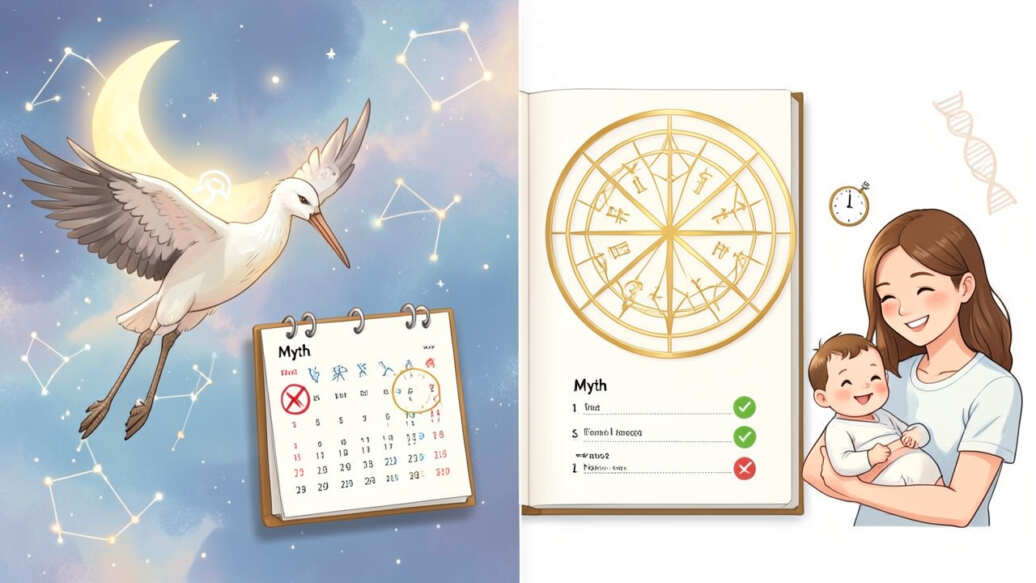
Common Myths vs Facts
Myth 1: Chinese zodiac signs are based on the birth month
Fact: Chinese zodiac signs are based on the lunar birth year, not the month. The new year starts with the Lunar New Year, typically in late January or early February. A baby born in January might actually belong to the previous year’s animal.
Myth 2: Zodiac signs determine your child’s destiny
Fact: The American Psychological Association states that no scientific evidence links zodiac signs to personality or life outcomes. According to psychologist, personality is shaped by genetics, environment, and upbringing – not birth timing.
Myth 3: You can guarantee a specific zodiac sign with planning
Fact: Only 4% of babies are born on their exact due date. Most arrive within a two-week window on either side. Even with perfect planning, nearly 30% of births require medical interventions that affect timing.
Resources and Tools
Several tools and references can help you research zodiac birth planning. Use these resources to make informed decisions.
- Chinese Zodiac Calculator – Determines the animal sign based on birth date and lunar calendar.
- Cafe Astrology Birth Chart Tool – Generates full Western astrology birth charts with sun, moon, and rising signs.
- American College of Obstetricians and Gynecologists – Official guidelines on elective delivery and full-term pregnancy.
- World Health Organization Pregnancy Guidelines – Medical recommendations for healthy pregnancy timing.
- Pew Research Center – Religion and Spirituality – Data on astrology beliefs and practices across demographics.
Frequently Asked Questions
Can I guarantee my baby will be born under a specific zodiac sign?
No, you cannot guarantee a specific sign. Even with carefully planned conception, due dates are estimates. Most babies arrive within a window of two weeks before or after their due date. Discuss your timing goals with your obstetrician for realistic expectations.
Which Chinese zodiac animal is considered the luckiest for babies?
The Dragon is the most desired animal in Chinese zodiac tradition. According to Chinese cultural studies, parents believe Dragon babies are destined for success, leadership, and good fortune. Tiger and Phoenix are also popular choices.
Does insurance cover elective C-sections for zodiac planning?
Most insurance plans do not cover elective C-sections done solely for non-medical reasons. You should check with your provider before scheduling. Some hospitals also have policies against elective deliveries before 39 weeks of pregnancy.
How do Lunar New Year dates affect zodiac planning?
Lunar New Year dates shift each year between January 21 and February 20. A baby born before the Lunar New Year belongs to the previous animal sign. You must check the exact Lunar New Year date for your target year to plan correctly.
What happens if my baby misses the zodiac sign I planned for?
Many parents accept the outcome and embrace their child’s actual sign. Some try again with a future pregnancy. A 2022 survey from the International Journal of Birth Psychology found that 41% of parents who planned for a specific sign were happy regardless of the outcome.
Final Thoughts
Zodiac birth planning reflects a deep desire among parents to give their children the best possible start in life. While the practice has cultural roots and personal meaning, your child’s health should always come first. A happy, healthy baby born under any sign is the real goal.