Gold & Yellow Symbolism in Chinese Culture
Gold and yellow symbolism in Chinese culture is deep and multifaceted, representing power, prosperity, and imperial authority. Understanding these colors is key to appreciating everything from ancient rituals to modern festivals. This post explores what these colors mean, how they are used, and why they remain so important today.
Simply put, yellow was the exclusive color of Chinese emperors, symbolizing supreme power and the center of the universe, while gold represents material wealth, prosperity, and divine immortality. Together, they form the most auspicious color combination in Chinese tradition, used to attract good fortune and ward off evil.
Key Takeaways
- Yellow symbolism is historically tied to the Emperor and represents the center of the earth and five elements.
- Gold symbolism primarily signifies wealth, treasure, and divine status, often linked to immortality.
- The combination of gold and yellow is used in festivals like Lunar New Year to invite prosperity and luck.
- In modern China, while yellow is more accessible, it still carries strong imperial and cultural connotations.
- Both colors are prominently featured in architecture, clothing, and art to convey auspicious meanings.
What Is the Historical Significance of Yellow in China?
The color yellow holds a unique and exalted place in Chinese history. Its significance was cemented during the reign of the Yellow Emperor (Huangdi), a legendary founder of Chinese civilization. Over centuries, it became the color of the imperial family and was reserved for their exclusive use.
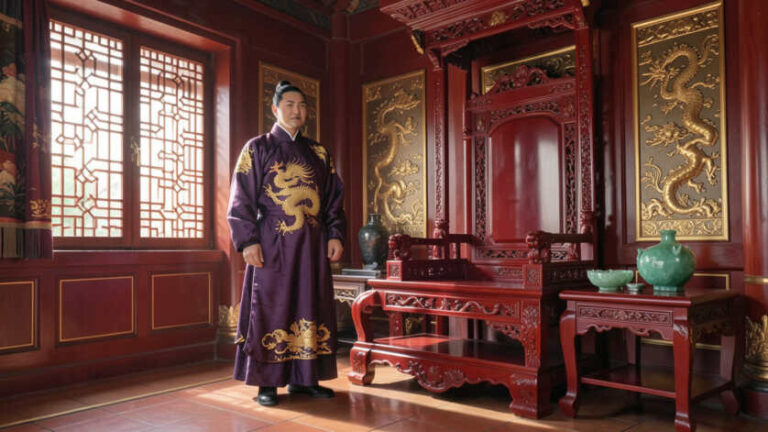
During the Qing Dynasty, for example, commoners were forbidden from wearing bright yellow clothing. The emperor’s robes, known as dragon robes, were often a specific shade called “Imperial Yellow.” This strict association linked the color directly to absolute authority and the center of the cosmic order.
- Imperial Exclusivity: The bright “Imperial Yellow” was legally reserved for the emperor, his concubines, and certain princes.
- Center of the Universe: In the Five Elements theory (Wu Xing), yellow corresponds to Earth and represents the center, stability, and nourishment.
- Cultural Legends: Tales of “Yellow Springs” (the underworld) and the “Yellow River” (cradle of Chinese civilization) embed the color in cultural lore.
- Sacred Texts: Early texts like the “Rites of Zhou” codified yellow’s connection to the earth and central authority.
| Dynasty | Key Use of Yellow | Associated Meaning |
|---|---|---|
| Tang Dynasty | Imperial robes, palace walls | Power, legitimacy, and imperial might. |
| Ming & Qing Dynasties | Strict legal prohibition for commoners | Absolute sovereignty and separation from populace. |
| Modern Era | National symbols, branding | National pride, cultural heritage, and optimism. |
Tip: When discussing historical use, note that different shades of yellow carried specific meanings. Pale yellow was often acceptable for commoners, while the bright, saturated “Imperial Yellow” was strictly controlled.
How Does Gold Symbolize Wealth and Immortality?
Gold’s meaning in Chinese culture focuses on tangible prosperity and eternal life. Unlike yellow’s political power, gold represents accumulated wealth, treasure, and divine permanence. This is why it is ubiquitous in temples, statues of deities, and ancestral shrines.
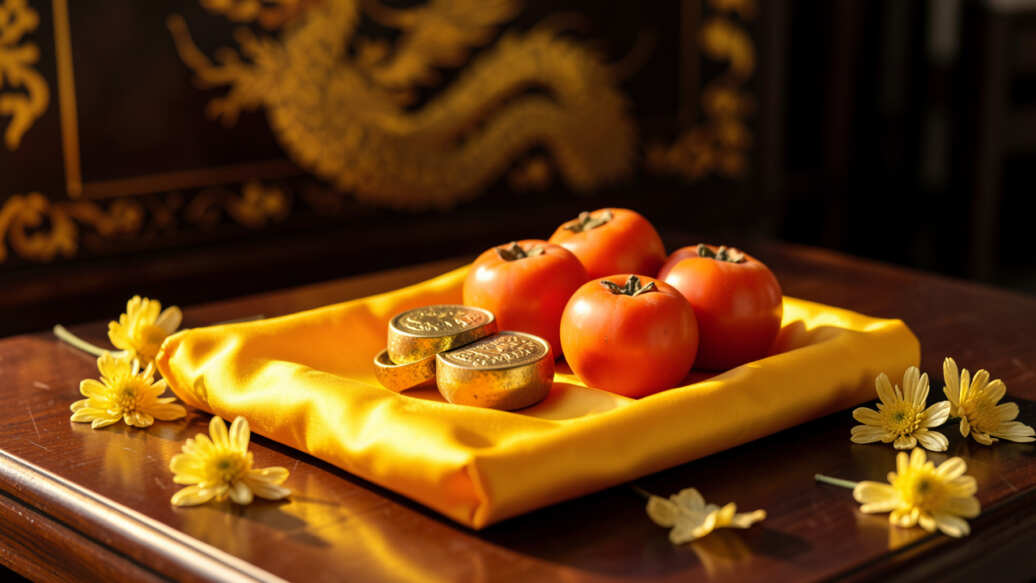
The material qualities of gold—its resistance to tarnish and enduring luster—directly translate into symbolic meanings. It is used to honor gods and ancestors, symbolizing offerings that last forever and a fortune that does not diminish. Gold ingots and coins are classic symbols of prosperity, especially during financial ceremonies.
- Material Prosperity: Gold objects like ingots (yuanbao) are symbols of financial success and are gifted during business openings or New Year.
- Divine and Ancestral Offerings: Golden paper offerings (joss paper) are burned to send wealth to ancestors in the afterlife.
- Immortality and Purity: In Taoism, the quest for the “elixir of immortality” is often described as turning base metals into gold, symbolizing spiritual perfection.
- Status and Achievement: Gold medals and awards signify the highest honor, echoing the color’s association with ultimate value.
What Is the Cultural Importance of the Gold and Yellow Combination?
The pairing of gold and yellow is arguably the most powerful and auspicious combination in Chinese visual culture. It merges the imperial authority of yellow with the prosperous materialism of gold, creating a potent symbol of glorious success and divine favor.
This combination is prominently seen during the Lunar New Year, on wedding decorations, and in the branding of traditional businesses. The visual impact is immediate: it signals extreme good fortune, nobility, and a bright future.
| Context | Gold & Yellow Application | Intended Meaning |
|---|---|---|
| Lunar New Year | Red envelopes with gold characters, yellow lanterns | To usher in wealth and a prosperous new year. |
| Weddings | Golden “double happiness” characters on yellow fabric | A wish for a wealthy and imperial-style blessed union. |
| Temples & Palaces | Gold leaf on yellow-painted architectural details | Conveys sacred majesty and eternal glory. |
| Modern Branding | Premium product packaging in gold and yellow | Signals luxury, quality, and traditional prestige. |
This table shows how the gold-yellow duality is strategically applied across various aspects of life to amplify auspicious messages.
Why Are These Colors Used in Modern Festivals and Events?
Contemporary China continues to lean heavily on gold and yellow symbolism during major events. The colors bridge the gap between ancient tradition and modern celebration, ensuring cultural continuity. Their use is a conscious appeal to shared values of prosperity and happiness.
During the National Day celebrations, for instance, you will see massive yellow banners alongside golden decorations in public squares. The message is one of national pride (yellow/imperial) and economic success (gold/prosperity). This visual language is instantly understood by the public.
- Lantern Festivals: Thousands of yellow and gold lanterns are released, symbolizing lighting the way to a bright and prosperous future.
- Business Openings: Ceremonial lion dances often feature a yellow lion with a golden horn, meant to bring wealth to the new venture.
- Academic Achievements: The color gold is used for top awards and honors, while yellow may be part of the academic regalia for certain degrees, signifying a distinguished path.
- Political Rallies: While red dominates, yellow banners are sometimes used to evoke historical continuity and the “motherland.”
Important: The political association of yellow can vary. It has been linked to movements like the Yellow Turban Rebellion in history. In modern contexts, it is largely depoliticized and focuses on cultural heritage.
How Do Gold and Yellow Appear in Chinese Art and Architecture?
In traditional Chinese architecture, the use of yellow and gold was strictly regulated. The Forbidden City in Beijing is the ultimate example. Its walls are painted a deep yellow, and many roofs feature golden tiles, reserved for the emperor’s main buildings.
This created a landscape of supreme power.
In art, gold leaf was used to highlight Buddhist and Taoist statues, making them radiate divine light. Landscape paintings might use golden hues for mountains and rivers to suggest their sacred or eternal nature. The color was a marker of spiritual and material value.
- Imperial Palaces: Yellow walls and golden roof tiles signify the emperor’s residence at the center of the world.
- Temple Complexes: Gold-covered statues and yellow-painted walls of main halls indicate a space of worship and divine presence.
- Garden Design: Yellow flowers (like chrysanthemums) and gold-painted decorative elements are used to evoke autumn, longevity, and elegance.
- Ceramic Arts: The Ming dynasty’s famous “Imperial Yellow” glaze was a high-art achievement, used exclusively for court-ordered porcelain.
| Art Form | Typical Gold/Yellow Application | Symbolic Goal |
|---|---|---|
| Porcelain (Famille Jaune) | Delicate yellow enamels on white porcelain | Showcase technical mastery and imperial patronage. |
| Sculpture (Buddhist) | Gilded (gold-leafed) Buddha statues | Embody the “radiant body” of enlightenment. |
| Textiles (Embroidery) | Gold thread on yellow silk for imperial garments | Demonstrate supreme status and wealth. |
| Paper Arts (Jianzhi) | Gold foil cut into auspicious symbols | Invite wealth and good luck into the home. |
What Are the Regional Variations in Using Yellow and Gold?
While the imperial symbolism is dominant nationally, some regional cultures add their own layers of meaning. In southern China, for instance, the association of yellow with the earth element is sometimes connected to local agricultural deities and festivals celebrating harvest.
In minority regions, the colors might merge with local traditions. Tibetan Buddhist culture in parts of China makes extensive use of gold for monasteries and sacred art, a tradition that predates and exists alongside Han Chinese symbolism. Here, gold primarily signifies spiritual wealth and the preciousness of the Dharma.
- Southern China (e.g., Guangdong): Yellow is sometimes associated with the earth and harvest, used in folk religion ceremonies for bountiful crops.
- Northern China (e.g., Beijing):strong> The imperial symbolism is strongest here, deeply embedded in historical sites and cultural practice.
- Western China (e.g., Tibetan areas):strong> Gold dominates in religious contexts, signifying sacred purity and the divine, with less emphasis on yellow’s political connotations.
- Taiwan and Overseas Communities: Traditional symbolism is carefully preserved in temples and festivals, acting as a cultural anchor.
How Have the Meanings Evolved in Contemporary Chinese Society?
The meanings of yellow and gold have not remained static. While their auspicious core remains, their social rules and applications have democratized and modernized. Yellow is no longer forbidden, and gold has become a mainstream symbol of success.
Younger generations may view yellow as a trendy, vintage-inspired color, and gold as a standard for luxury branding in technology, fashion, and automobiles. The imperial connection is still known, but the color now also represents creativity and optimism. The economic boom has further amplified gold’s connection to financial aspiration.
- Democratization of Yellow: Anyone can now wear and use yellow freely, stripping away its exclusive political charge while retaining its cultural positivity.
- Commercialization of Gold: “Gold” is a common suffix for premium product lines (Gold Edition, Gold Member), universalizing its meaning of top-tier quality.
- Pop Culture Influence: Movies, animations, and games often use the colors to instantly signal treasure, power-ups, or legendary items, reinforcing the symbols for a new audience.
- National Branding: The Chinese national team at the Olympics often features yellow prominently, tying modern athletic achievement to historical pride.
Warning: Context matters. Using a large amount of yellow in a setting unrelated to celebration or achievement could seem overly bold or even pretentious. The colors are best used to enhance, not dominate, a design.
What Are Some Common Mistakes When Interpreting These Colors?
Western observers often miss the nuance and directly equate yellow with cowardice or gold with gaudiness. This is a cultural misreading. In China, these are fundamentally positive, powerful symbols.
Another mistake is assuming all yellow is the same; shade and context drastically change meaning.
Overusing the colors without understanding can also lead to clichéd or ineffective design. The key is to use them with intentionality, respecting their strong cultural weight. They are not merely decorative choices but communicative tools.
| Common Misinterpretation | Actual Chinese Cultural Context |
|---|---|
| Yellow = Cowardice | Yellow = Imperial Power, Earth, Stability, Glory |
| Gold = Tacky or Overly Flashy | Gold = Auspicious, Prosperous, Sacred, Precious |
| All Yellow is the Same | Shades matter: Imperial Yellow vs. Pale Yellow have different histories and usages. |
| Colors are Just Decorative | They are active symbols communicating specific wishes and messages. |
Frequently Asked Questions
Why is yellow the color of the emperor?
Yellow was linked to the legendary Yellow Emperor and the Earth element in the Five Elements theory, symbolizing the center of the universe. Over time, this association was solidified by law, making Imperial Yellow the exclusive color of the ruler, representing supreme, central authority.
Does gold mean the same thing as yellow in Chinese culture?
No, they have distinct primary meanings. Yellow’s core symbolism is power, authority, and earth-centered stability. Gold’s core symbolism is material wealth, prosperity, and immortality.
While they are often combined for maximum auspicious effect, they originate from different symbolic roots.
Can anyone wear yellow in China today?
Yes, absolutely. The legal restrictions ended with the fall of the imperial system. Today, yellow is widely worn and used by everyone.
It is considered a bright, optimistic, and culturally positive color, especially in festive contexts like Lunar New Year.
Where is the best place to see traditional gold and yellow symbolism?
The Forbidden City in Beijing is the paramount example, showcasing imperial yellow walls and golden roof tiles. Major temples, such as the Temple of Heaven and the Lama Temple, also demonstrate the sacred use of gold in architecture and statues.
How do Chinese people use these colors for good luck?
They are used extensively in Lunar New Year decorations, including red envelopes with gold characters, yellow paper lanterns, and gold ingot symbols. The combination is believed to attract prosperity and positive energy into the home and business for the coming year.
Final Thoughts
The symbolism of gold and yellow in Chinese culture is a powerful blend of imperial history, philosophical thought, and aspirational desire. Yellow’s ties to power and earth provide a stable foundation, while gold’s link to wealth and eternity adds a layer of divine fortune. Together, they form an enduring visual language of success that continues to evolve in modern life, reminding us that colors can carry centuries of meaning.