
How Tea Welcomes Guests in Chinese Homes
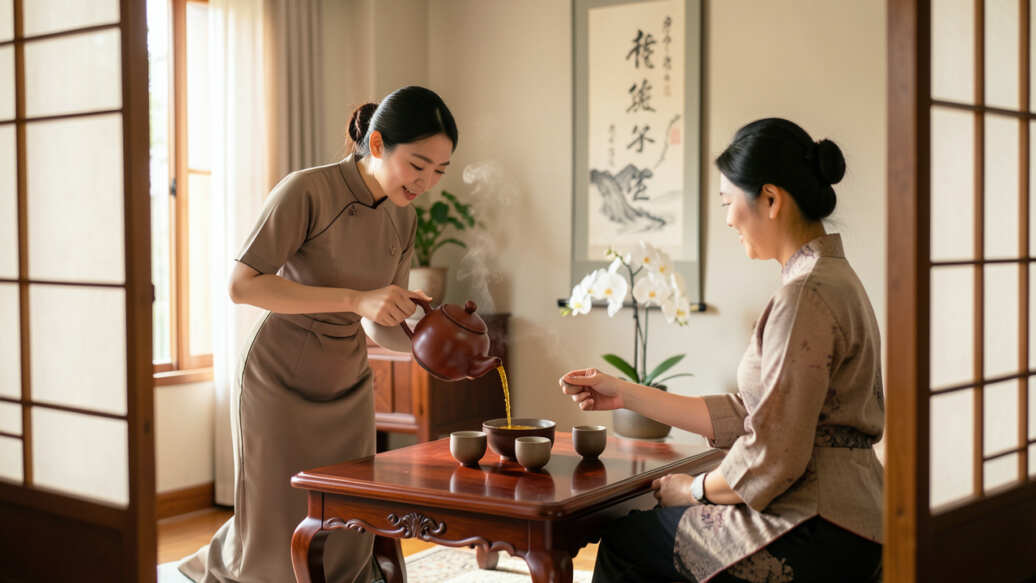
How tea is used to welcome guests in Chinese homes is a practice woven into the fabric of daily life and formal hospitality. It serves as the first and most fundamental gesture of respect and warmth when someone visits. Understanding this ritual offers a window into centuries of Chinese culture and social values.
This guide explores the rich symbolism behind serving tea, the specific steps involved, and the unspoken rules that govern this beautiful tradition. You will learn not just the “how” but the “why” behind every pour and gesture.
Simply put, serving tea to guests in a Chinese home is a deeply ingrained ritual that expresses respect, hospitality, and social harmony. It follows a specific sequence of actions where the server shows deference, and the guest expresses gratitude, all through the simple act of sharing a cup of tea.
Key Takeaways
- The act of serving tea is the cornerstone of Chinese hospitality, symbolizing respect and welcome.
- The tea serving process follows a clear hierarchy, with age and status determining the order of service.
- Specific gestures, like tapping fingers on the table, are crucial non-verbal ways for guests to express thanks.
- Different types of tea may be served depending on the region and formality of the occasion.
- Modern adaptations exist, but the core principle of showing respect through tea service remains unchanged.
What is the Cultural Significance of Serving Tea in China?
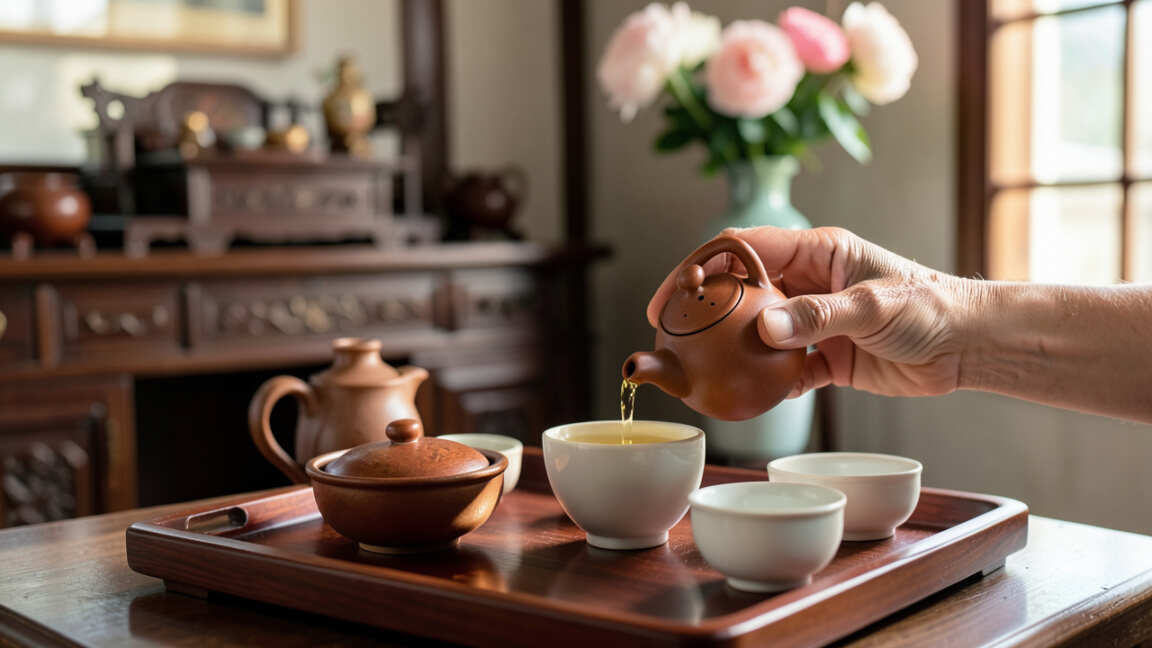
Serving tea is far more than a simple offering of a beverage. It is a complex language of respect, hierarchy, and relationship building. The practice, often referred to as the “way of tea” (Cha Dao), embodies core Confucian values of order and reverence for elders.
Every action, from who pours first to how you hold your cup, communicates a specific message.
At its heart, the ritual establishes a peaceful and respectful atmosphere. It immediately puts the guest at ease while formally acknowledging their importance. The warmth of the tea represents the warmth of the host’s welcome.
This initial gesture sets the tone for the entire visit, whether it’s a casual drop-in or a formal negotiation.
- Respect (Jing): The primary goal is to show deep respect to the visitor, especially if they are an elder or a person of importance.
- Harmony (He): Sharing tea fosters a sense of connection and peaceful interaction between host and guest.
- Etiquette (Li): Following the proper steps demonstrates the host’s good upbringing and social awareness.
- Connection: The shared experience of tea creates a moment for conversation and bonding before any other business.
Tip: If you are a guest and unsure about the rules, observe the host first. The most important thing is to show appreciation. A simple smile and nod when receiving your cup go a long way.
How to Serve Tea to Guests: A Step-by-Step Guide
The tea serving process follows a specific, respectful sequence. The host manages the entire ritual, ensuring each guest is attended to in the correct order. Here is the step-by-step breakdown of a traditional tea welcome.
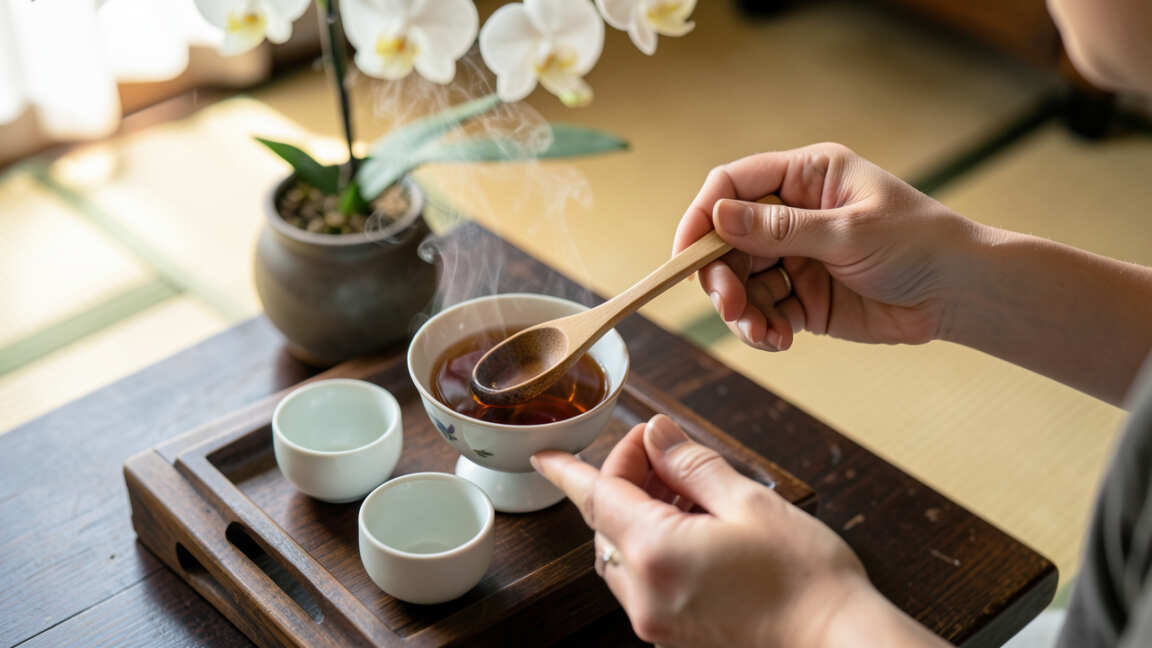
- Warming the Teaware: Before any tea is poured, the host will pour hot water from the kettle into the teapot and then into each cup. This cleans the vessels and ensures the tea stays hot. The warmed water is discarded into the tea tray.
- Brewing the Tea: The host adds tea leaves to the warmed pot, pours hot water over them, and allows it to steep for a precise moment. The first infusion is often poured away to “awaken” the leaves.
- Serving the Tea: The host uses a special pitcher or pours directly from the pot into the cups, filling them only about 70% full. This leaves room to hold the cup without burning fingers.
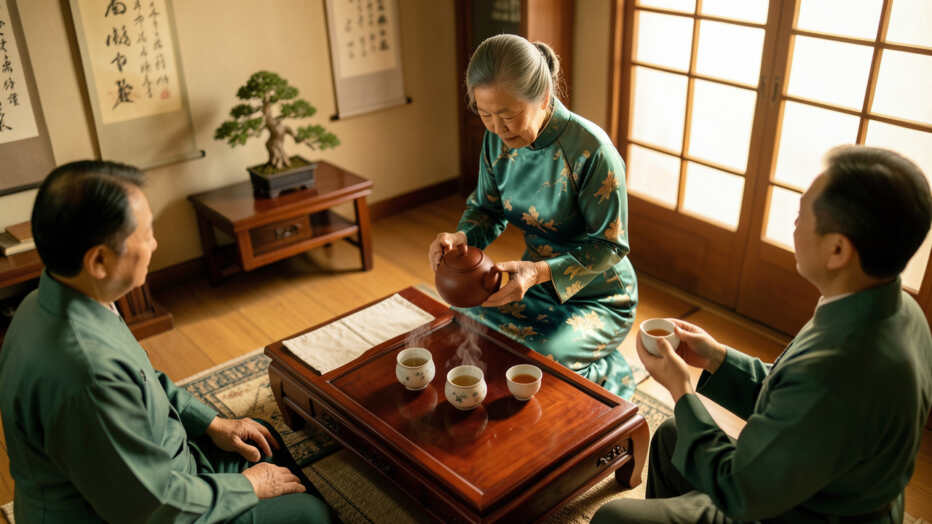
- Presenting the Tea: The host uses both hands to offer a cup to the most senior or respected guest first, then proceeds clockwise around the table. The host may say “请用茶” (qǐng yòng chá), meaning “please have some tea.”
- Refilling the Cups: The host continues to pour tea for the guests throughout the visit, ensuring no cup stays empty. The server will always pour for others before pouring for themselves.
| Action | Meaning / Purpose |
|---|---|
| Pouring only 70% full | Shows humility; allows guest to hold the cup comfortably. |
| Serving elder first | Demonstrates respect for age and seniority. |
| Using both hands | A gesture of sincere respect and care. |
| Keeping cups filled | Symbolizes ongoing hospitality and attention. |
How Should a Guest Receive Tea Properly?
As a guest, your role is to receive the tea with grace and show appropriate thanks. Your actions are just as important as the host’s. The guest’s response completes the circle of respect initiated by the host.
There are two primary gestures of thanks to know.
When the host offers you a cup, accept it with both hands if possible, or at least with your right hand while your left hand supports the bottom or side of the cup. As you receive it, a slight nod or a small smile and a verbal “谢谢” (xièxie) is perfect. The most iconic gesture, however, happens after you have your tea.
- The “Tapping” Gesture: This is the most recognized sign of thanks. When someone pours tea for you, lightly tap two or three fingers on the table beside your cup.
- The Origin Story: This gesture is said to date back to the Qing Dynasty. An emperor, traveling incognito, poured tea for his servant. The servant, unable to kowtow without revealing the emperor’s identity, “bowed” with his fingers instead.
- How to Do It Correctly: Bend your index and middle fingers together. Gently tap the table surface 2-3 times with the tips of these fingers. Do this whenever someone refills your cup.
- Another Method: In more formal settings, you might use your right hand to hold the cup and your left hand to gently tap the bottom of the cup where it meets the saucer or tray.
Warning: Never say “thank you” too loudly or make a big show of it. The beauty of the tea ritual lies in its quiet, understated communication. Let your fingers do the talking.
What Types of Tea Are Typically Served to Guests?
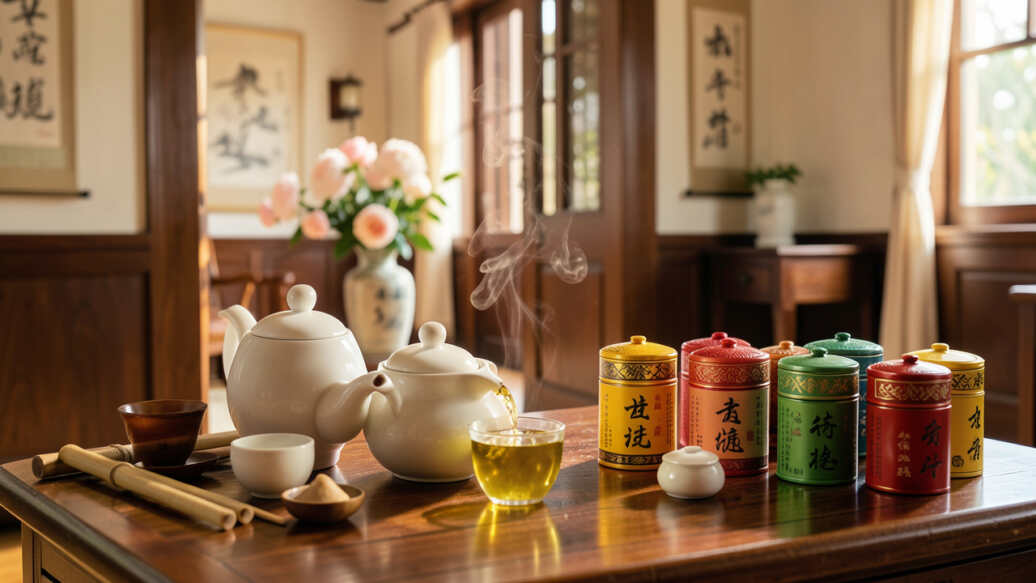
The choice of tea can vary by region, season, and the formality of the visit. Offering a good quality tea is a sign of respect to the guest. While there are six main categories of Chinese tea, certain types are more commonly associated with hospitality.
The host will choose a tea that is balanced and agreeable to most palates.
In southern regions, especially Guangdong and Fujian, oolong tea is a classic choice for guest service. In northern areas, a robust jasmine tea or a simple green tea might be more common. The tea is selected to complement the time of day and the food that might be served alongside it.
| Tea Type | Characteristics | When It’s Commonly Served |
|---|---|---|
| Oolong Tea | Partially oxidized; complex flavor, from floral to toasty. | Formal gatherings, with important guests, or in southern China. |
| Green Tea | Unoxidized; fresh, grassy, and light flavor. | Casual visits, summer months, and in eastern China. |
| Jasmine Tea | Green tea scented with jasmine blossoms; aromatic and sweet. | A universal, friendly choice; very common in northern China. |
| Black Tea | Fully oxidized; robust, malty flavor (called “red tea” in China). | In cooler weather or with certain snacks and desserts. |
What Are the Unspoken Rules of Tea Etiquette?
Beyond the basic steps, there are nuanced rules that govern the tea ritual. Understanding these shows a deeper appreciation for the culture. These unspoken rules apply to both the host and the guest.
Violating them might not cause offense if you are a foreigner, but knowing them is a mark of great respect.
The most important rule is about hierarchy. The host must always serve the oldest or most senior person first, then proceed in a clockwise direction. The tea should always be poured for others before the host pours for themselves.
The host never pours tea just for themselves alone when guests are present.
- The Kettle Lid Rule: If the host places the teapot lid slightly ajar, it signals they have run out of hot water and need to fetch more. As a guest, you should never point at the pot or comment on it.
- Don’t Say “It’s Too Hot”: This is seen as a critique of the host’s skill. Accept the tea gracefully. The 70% full rule is there to prevent this issue.
- Never Fill Your Own Cup First: As a host, this is a major breach of etiquette. As a guest, you do not take the initiative to serve yourself.
- Leaving Tea in the Cup: Finishing your tea is polite. A cup left full might imply you didn’t like it. However, the host will likely refill it before you finish.
- The Lidded Bowl Ritual: In some regions, tea is served in a lidded bowl. To show you want more, leave the lid slightly open. To signal you are done, place the lid firmly on the bowl.
How Does the Tea Welcome Vary Across China?
China is vast, and tea customs have developed distinct regional flavors. While the core principle of respect remains, the style of service and the type of tea can tell you a lot about where you are. The Gongfu tea ceremony of the south is quite different from the simpler, more direct service in the north.
In the Cantonese tradition, the Gongfu cha method is a meticulous art form. It uses small Yixing clay teapots and tiny cups, with multiple rapid infusions. This method is often used for important guests.
In contrast, a home in Beijing might use a larger pot and sturdier cups, serving a fragrant jasmine tea in a more straightforward manner.
| Region | Common Practice & Tea | Key Feature |
|---|---|---|
| Fujian / Guangdong (South) | Gongfu Cha with Oolong tea. | Meticulous, multi-step process with small wares. |
| Beijing (North) | Large pot with Jasmine Pearl tea. | More direct, fragrant, and social. |
| Sichuan (West) | “Gaiwan” (lidded bowl) with green or jasmine tea. | Lid signals whether more tea is wanted. |
| Yunnan (Southwest) | Pu-erh tea from large clay pots. | Earthy, aged tea; often served with snacks. |
This regional diversity showcases China’s rich tea heritage. Whether it’s the complex ceremony in a Fujian home or the straightforward welcome in a Beijing courtyard, the intent remains the same: to honor the guest.
Why is Tea the Preferred Welcome Beverage?
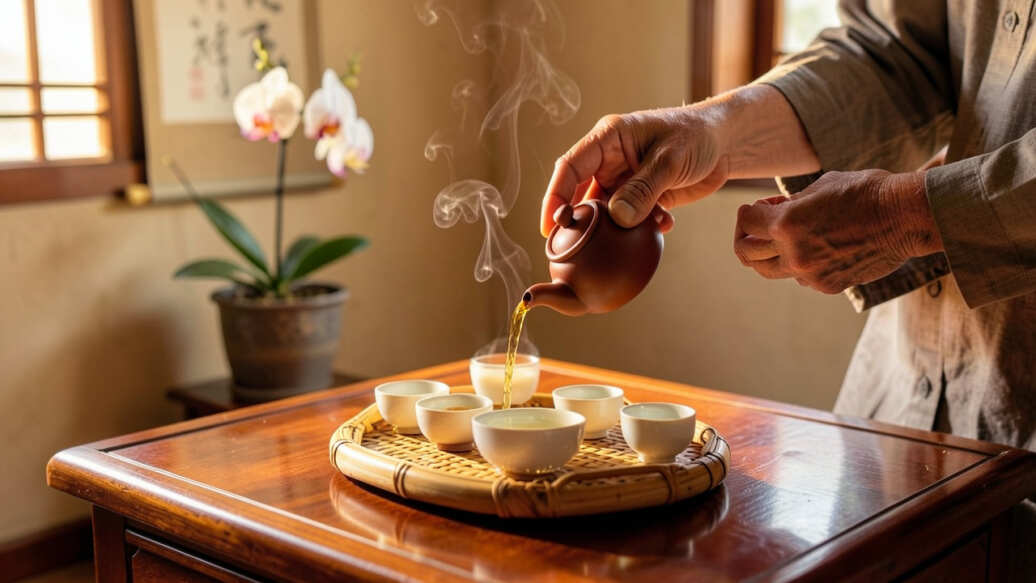
Tea’s dominance as a welcome drink is no accident. Its properties make it uniquely suited for hospitality. It is always served hot, which is considered welcoming and cleansing.
The act of brewing and pouring it is a calming, deliberate process that facilitates conversation. Historically, tea was also a safe, boiled drink, making it the practical choice for hospitality.
Socially, tea acts as a neutral ground. It is not intoxicating like alcohol, nor is it as simple as water. It creates a shared, sensory experience without overwhelming the palate.
The bitterness, sweetness, and aroma of good tea provide a topic of conversation in themselves, easing any initial awkwardness between host and guest.
- Practicality: Water for tea must be boiled, historically ensuring it was safe to drink.
- Symbolism: The clear liquid symbolizes purity and clarity of intention.
- Pacing: The slow process of sipping hot tea naturally slows down the pace of interaction, encouraging meaningful talk.
- Sensory Experience: The aroma, warmth, and flavor engage the senses, creating a memorable moment of welcome.
- Health: Tea is widely believed in China to aid digestion and promote well-being, so serving it is a gesture of care for the guest’s health.
Important: While tea is the classic welcome, offering other drinks like fruit juice or soft drinks is perfectly acceptable in very casual settings or among young people. However, for any formal or traditional visit, tea is expected and preferred.
What is the Modern Adaptation of This Tradition?
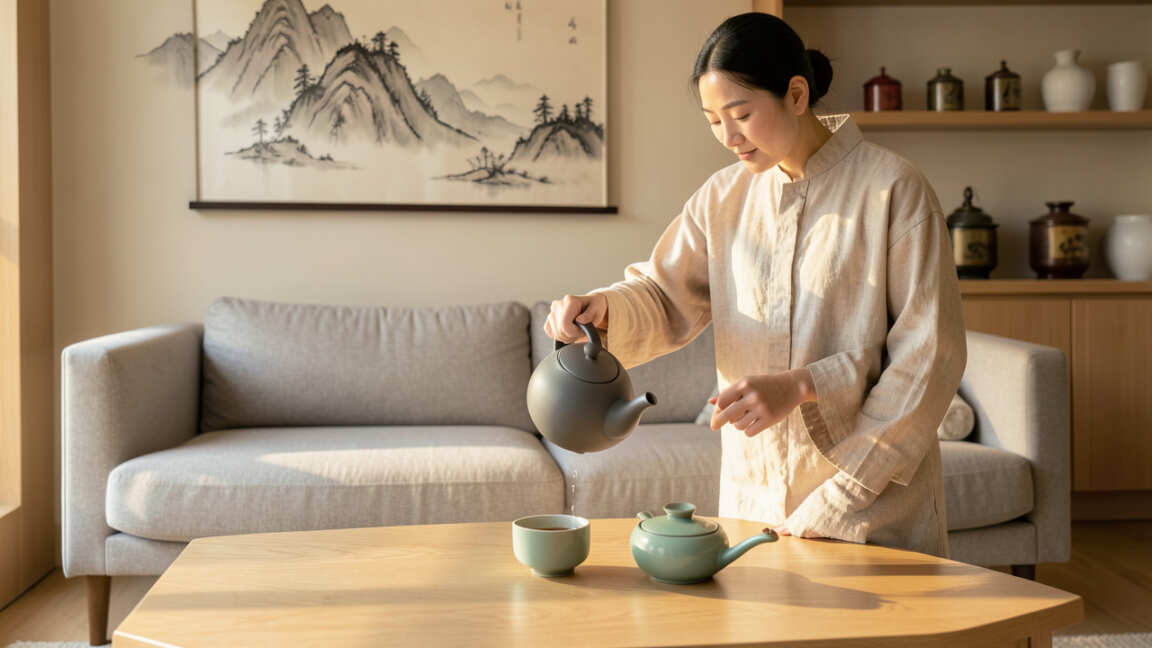
In today’s fast-paced world, the elaborate ceremony has simplified in many homes, especially in urban areas. The core principle of hospitality remains, but the tools and strictness may vary. You might find hosts using electric kettles, convenient tea bags, or beautiful glass cups instead of traditional Yixing clay.
The fundamental sequence of serving others first still holds strong.
However, there is also a renewed interest in the traditional Gongfu tea ceremony among younger generations as a way to connect with their cultural heritage. It is seen as a mindful practice, a break from digital life, and a sophisticated way to entertain. So, depending on who your host is, you might experience either a modern, simplified version or a deep dive into tradition.
- Time Constraints: Modern hosts may prepare tea in advance or use quicker brewing methods to save time.
- Equipment: Glass teapots that showcase the tea leaves are popular, as are insulated thermoses.
- Tea Selection: A wider variety of teas, including herbal and fruit blends, are now common alongside traditional types.
- The Ritual’s Spirit: Despite modern twists, the essential act of serving and receiving tea with respect is almost universally preserved.
Frequently Asked Questions
What is the meaning of tapping fingers on the table when tea is poured?
When someone pours tea for you in a Chinese setting, lightly tapping two or three fingers on the table is a silent way to say “thank you.” It is a deeply ingrained gesture of appreciation that originated as a way to show gratitude without kneeling, especially in the presence of a superior.
Should I finish all the tea in my cup?
Yes, it is generally polite to finish the tea in your cup. A cup left full might be interpreted as a sign that you didn’t enjoy it. However, a good host will likely refill your cup before it is empty, so pace yourself.
Accepting the refill is also a sign of appreciation for their hospitality.
What if I don’t like tea? How do I politely decline?
Declining tea can be tricky as it might be seen as rejecting hospitality. A polite approach is to accept the first cup with thanks and then sip it slowly. If offered a second serving, you can gently touch the rim of your cup to indicate it’s still full, which is a subtle sign you don’t need a refill.
A smile and a “thank you” are always appreciated.
Is it rude to use my phone during the tea ceremony?
Yes, it is considered very rude. The tea ritual is a time for focused interaction and conversation. Using your phone signals disinterest and disrespect to the host.
Make eye contact, engage in conversation, and give your full attention to the moment. It shows you value the hospitality being offered.
Do I need to bring a gift if I am invited for tea?
If you are invited to someone’s home specifically for tea, bringing a small gift is a thoughtful gesture. Common gifts include high-quality tea, fruit, or a dessert. Avoid clocks or sharp objects, which have negative symbolism.
For a simple, casual visit, your presence is the gift, but a small token always shows good manners.
Final Thoughts
The Chinese tradition of welcoming guests with tea is a profound expression of hospitality, respect, and connection. From the careful selection of tea to the specific sequence of serving, every detail carries meaning. As a guest, understanding and participating in this ritual, even in a small way, creates a deeper bond with your host.
Whether you encounter the meticulous Gongfu ceremony or a simple, modern cup of green tea, the core message remains the same: you are valued and welcome. This timeless practice continues to adapt and thrive, proving that some forms of respectful connection never go out of style.