How Chinese Characters Evolved From Oracle Bone Script
Chinese characters are one of the world’s oldest continuously used writing systems, and their origins trace back to the mysterious symbols etched onto animal bones and turtle shells. Understanding how these early forms transformed into the characters used today reveals a fascinating journey of simplification, standardization, and cultural adaptation. This evolution is not just a linguistic story but a window into the history and values of Chinese civilization itself.
Simply put, the evolution of Chinese characters from oracle bone script to modern forms is a story of transformation for efficiency and universality. It began with pictographic divination symbols over 3,000 years ago and progressed through major standardization events to create the streamlined characters we know today.
Key Takeaways
- Oracle bone script was the earliest known form of Chinese writing, used for royal divination during the Shang Dynasty.
- The primary driving force behind character evolution was the need for writing efficiency, leading to simplification from complex pictographs.
- Major standardization events, like those under the Qin and Han dynasties, were crucial for creating a unified script across a vast empire.
- The modern simplified Chinese characters used today represent the latest stage in a continuous evolution aimed at boosting literacy.
- Each stage of Chinese character evolution reflects the technology, culture, and administrative needs of its time.
What Is Oracle Bone Script?
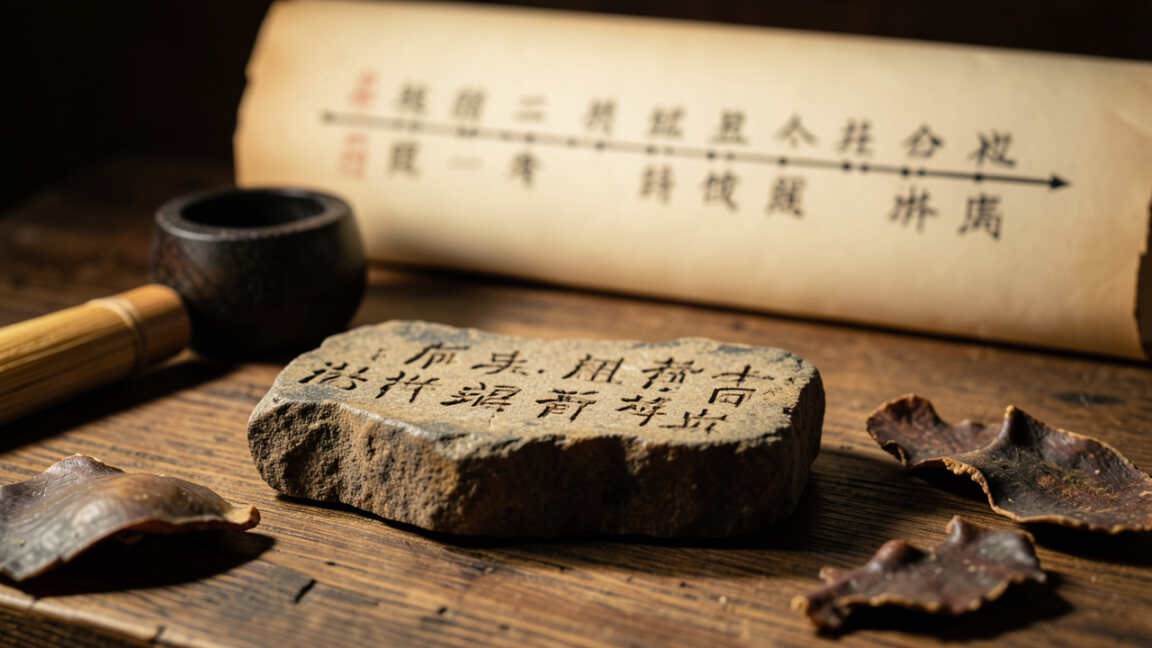
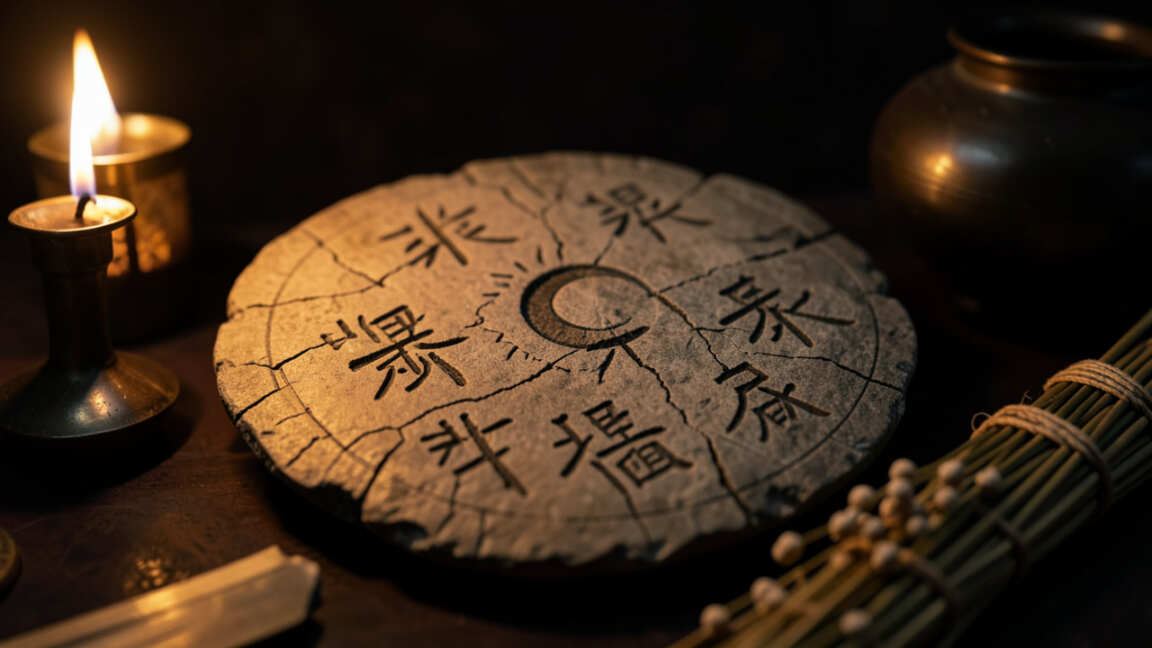
Oracle bone script, known in Chinese as “jiaguwen,” represents the earliest mature writing system discovered in China. These inscriptions were found primarily on ox scapulae and turtle plastrons. The characters were carved into the bones to pose questions to ancestors or deities during divination rituals.
The script dates back to the late Shang Dynasty, roughly between 1200 and 1050 BCE. Archaeologists discovered these artifacts in the Yin Xu ruins near modern-day Anyang. This discovery was pivotal, as it pushed back the verified history of Chinese writing by centuries.
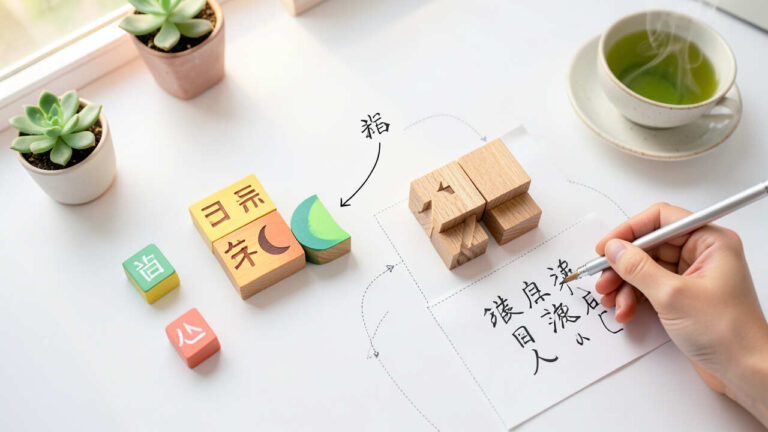
Oracle bone characters were fundamentally pictographic. This means the symbols were simplified drawings of the objects they represented. For instance, the character for “sun” (日) was a circle with a dot inside.
The character for “moon” (月) depicted a crescent shape.
- Over 150,000 oracle bone fragments have been unearthed.
- About 4,500 unique characters have been identified from these bones.
- Roughly 1,500 of these characters have been successfully deciphered by scholars.
- The primary use was for divination concerning royal matters: harvests, warfare, weather, and health.
- The process involved applying heat to prepared bones until they cracked. A diviner then interpreted the cracks as answers from the spiritual realm.
How Did Oracle Bone Characters Transform Into Bronze Inscriptions?
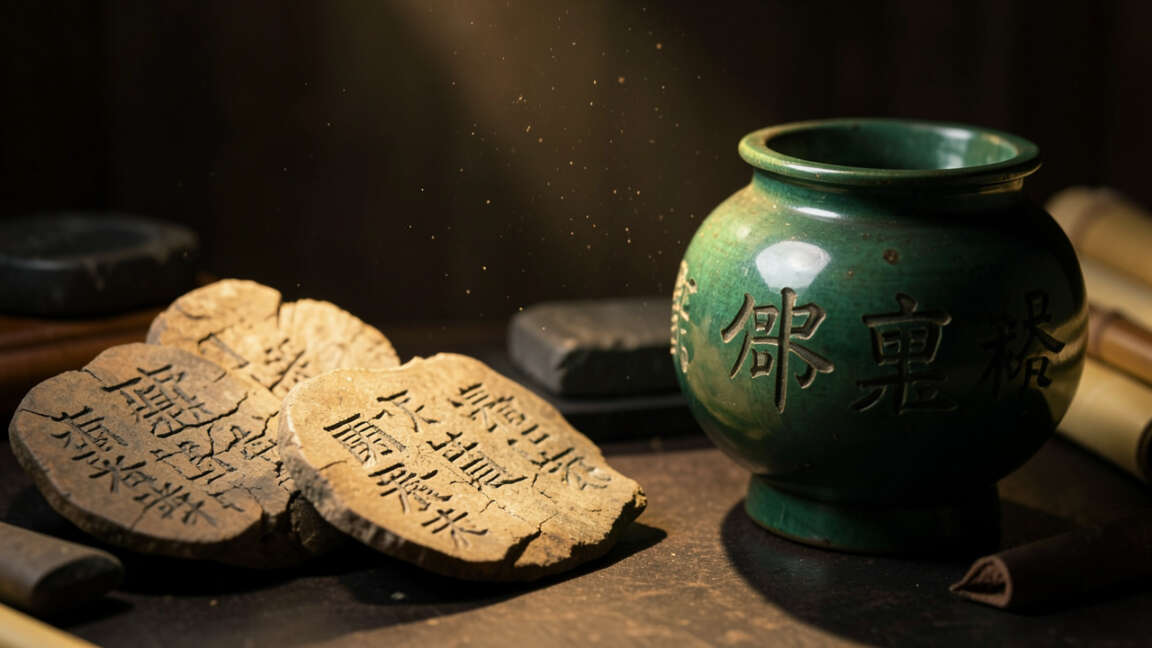
The next major phase in Chinese character evolution came with the Zhou Dynasty, which succeeded the Shang. Writing transitioned from bones to bronze vessels like ritual tripods and bells. This new form is called bronze inscription script, or “jinwen.”
The change in medium led to significant stylistic changes. Carving on bone is difficult, so characters were often angular and simple. Casting molten bronze into a mold allowed for more fluid, thicker, and more elaborate strokes.
The characters became less pictographic and more stylized.
This period saw the first major push toward character simplification. Many complex oracle bone forms were reduced to their essential components. This made writing somewhat faster and more consistent.
Bronze inscriptions often recorded royal decrees, land grants, and ceremonial events.
| Feature | Oracle Bone Script | Bronze Inscription Script |
|---|---|---|
| Medium | Animal bones, turtle shells | Bronze vessels and tools |
| Stroke Style | Thin, angular, engraved | Thick, fluid, cast |
| Primary Purpose | Divination and communication with ancestors | Commemoration of royal events and decrees |
| Character Complexity | More pictographic, variable forms | More standardized, less pictographic |
This shift demonstrated a key trend: as Chinese society became more complex and bureaucratic, its writing system adapted to become more practical for record-keeping and public communication.
Why Did the Qin Dynasty Standardize Chinese Writing?
The Qin Dynasty’s unification of China in 221 BCE was a turning point for the Chinese writing system. Before this, the various warring states had developed their own regional variants of characters. This created a major barrier to communication and administration across the newly unified empire.
The First Emperor, Qin Shi Huang, implemented a sweeping standardization policy. His chancellor, Li Si, led the effort to create a single, official script known as “small seal script.” This involved reducing the number of strokes, standardizing character forms, and eliminating regional variants. All official documents had to use this new standard.
This was not merely a linguistic exercise. It was a powerful political tool for consolidating control and creating a shared cultural identity. A unified script allowed laws, taxes, and imperial decrees to be understood uniformly from the capital to the provinces.
It facilitated trade and governance on an unprecedented scale.
Tip: When studying character evolution, pay attention to the “radicals.” These are the recurring components within characters. The Qin standardization also fixed many of these radical forms, which became the building blocks for future characters.
The small seal script, while beautiful and symmetrical, was still somewhat complex to write quickly. This set the stage for the next great evolution.
How Did Clerical Script Simplify Writing?
The evolution from seal script to clerical script, or “lishu,” was driven by pure practicality. During the late Qin and early Han dynasties, a massive administrative machine required officials to write large volumes of documents quickly. The elegant but time-consuming seal script was not up to the task.
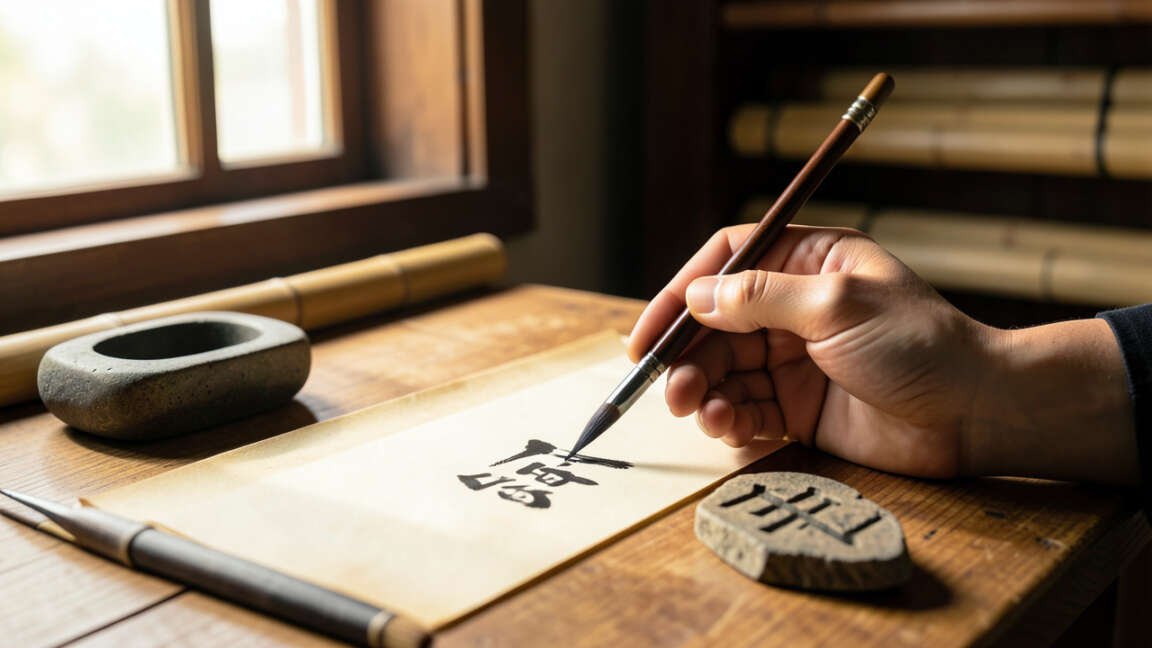
Clerical script emerged as a cursive, simplified form used by scribes and clerks. It fundamentally changed the aesthetic of Chinese characters. The flowing, rounded lines of seal script were replaced with angular, straight strokes.
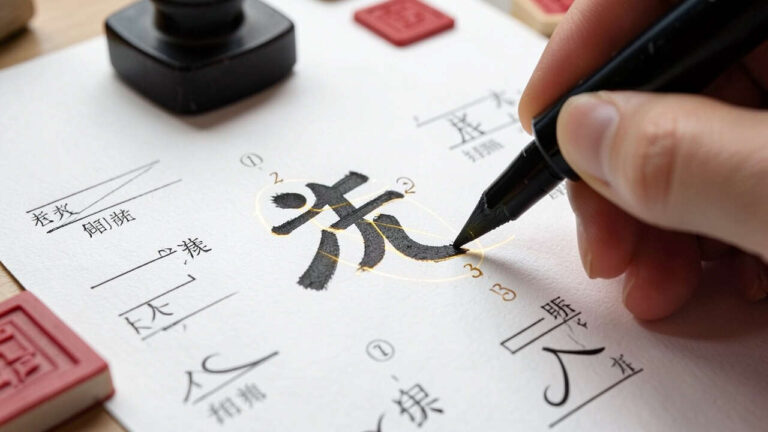
The technique shifted from drawing to writing, allowing for much faster penmanship.
This transition is often called the “clerical revolution.” It marked a definitive break from the pictographic roots of the script. Characters became fully abstract symbols. The stroke order and component structures became more consistent and rule-based.
- Speed: Clerical script could be written 2-3 times faster than seal script.
- Tool Adaptation: It was optimized for writing with a brush on bamboo or wood slips.
- Stroke Simplification: Complex curves were broken into simpler, separate strokes.
- Character Structure: The rectangular frame of seal script was flattened into a more square shape.
- Legacy: All modern Chinese characters, including both traditional and simplified forms, are derived from clerical script.
This development was so revolutionary that it corresponds to the period when the earliest known dictionaries, like the Shuowen Jiezi, were compiled to analyze and categorize the now vast character inventory.

What Are the Main Stages of Modern Character Development?
After clerical script, the evolution continued into forms that are more recognizable today. The next major stage was regular script, or “kaishu,” which emerged during the late Han Dynasty and solidified during the Tang Dynasty. This script standardized the strokes and proportions that we associate with traditional Chinese characters.
Regular script is the direct ancestor of the traditional characters still used in Taiwan, Hong Kong, and many overseas Chinese communities. It emphasized balance, clarity, and aesthetic beauty. The famous calligraphers of the Tang Dynasty, like Yan Zhenqing and Liu Gongquan, perfected this style.
Parallel to regular script, two other styles developed for efficiency. Running script (“xingshu”) is a semi-cursive form used for personal correspondence and notes. Grass script (“caoshu”) is a highly cursive form where multiple strokes are combined into a single flowing line.
These are considered artistic styles rather than standard writing.
| Script Style | Period of Prominence | Key Characteristics | Modern Usage |
|---|---|---|---|
| Regular Script (楷书) | Han to Tang Dynasties | Standard, clear, square-shaped, formal | Formal print, textbooks, newspapers (Traditional) |
| Running Script (行书) | Jin to Tang Dynasties | Semi-cursive, connected strokes, fluid | Handwriting, artistic expression, signatures |
| Grass Script (草书) | Han Dynasty onwards | Highly cursive, abstract, expressive | Calligraphy and art, not for daily use |
These scripts represent the final classical forms before the 20th century push for radical simplification.
How Did Simplified Characters Come About?
The 20th century brought the most dramatic change to Chinese characters since the Qin standardization. In the 1950s and 1960s, the newly formed People’s Republic of China launched a character simplification scheme. The primary goal was to boost literacy rates by making characters easier to learn and write.
Simplified characters (简体字) were created by reducing the stroke count of many common traditional characters. This was done by either borrowing ancient cursive forms, simplifying components, or creating new characters altogether. For example, the traditional character for “dragon” (龍) with 16 strokes was simplified to the 5-stroke version (龙).
This reform was highly controversial. Critics argued it severed the connection to Chinese cultural heritage and created a barrier between different Chinese-speaking regions. Supporters countered that it was a necessary modernization that democratized literacy.
The simplified system was officially adopted in mainland China, Singapore, and Malaysia.
Warning: Be aware that the simplification process was not entirely consistent. Some simplified characters retained multiple traditional meanings, which can sometimes create ambiguity. Context remains crucial in reading simplified Chinese.
Taiwan, Hong Kong, and Macau continued to use traditional characters (繁体字). This has resulted in the current situation where two standard forms of written Chinese coexist, much like the difference between American and British English.
What Is the Current State of Chinese Character Evolution?
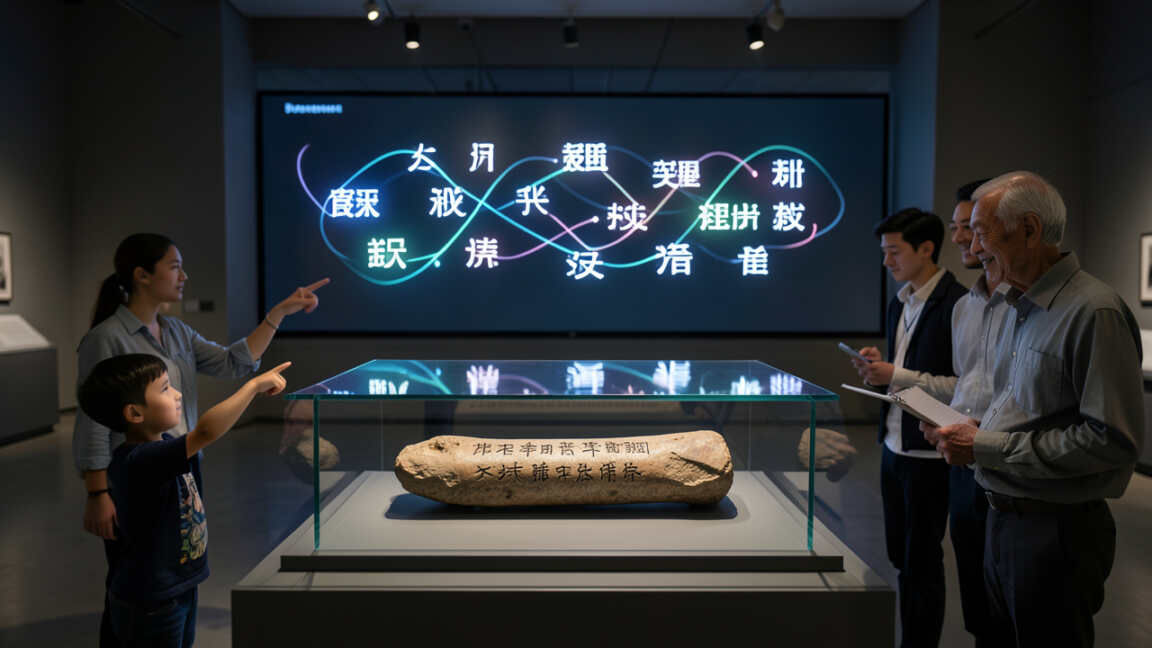
Today, Chinese characters exist in a digital age, which is creating new pressures and possibilities for evolution. The primary forms in use are the traditional and simplified systems described above. However, technology is influencing how characters are used and learned.
Input methods on computers and phones, like pinyin-based typing, mean many users can recognize and use far more characters than they can handwrite. This has led to concerns about “character amnesia,” where people forget how to write characters by hand. Schools in China still emphasize handwriting as a fundamental skill.
The internet has also given rise to new character phenomena. Netizens sometimes create new compound characters or use characters in novel ways to express modern concepts. While these rarely enter official dictionaries, they demonstrate the living, adaptable nature of the writing system.
Preservation is also a major concern. Projects are underway to digitize ancient texts and use AI to help decipher undeciphered oracle bone characters. The National Museum of Chinese Writing in Anyang actively works to promote understanding of this linguistic heritage.
- Character Recognition Software: AI can now recognize handwritten characters with over 95% accuracy, aiding in digitization.
- Standardized Tests: Proficiency tests like the HSK (Simplified) and TOCFL (Traditional) continue to use and reinforce the standard forms.
- Unicode Standard: Over 92,000 CJK (Chinese-Japanese-Korean) characters are encoded in Unicode, ensuring digital preservation.
- Educational Tools: Apps and software that teach stroke order are popular, blending traditional learning methods with modern technology.
- Calligraphy Renaissance: There is a growing artistic movement that revives ancient scripts, connecting modern creators with their roots.
How Does Oracle Bone Script Influence Modern Chinese?
While oracle bone script is no longer used for writing, its influence on the modern Chinese writing system is profound. It serves as the conceptual foundation for the entire logographic system. Many modern characters can trace their lineage directly back to specific oracle bone forms.
Studying oracle bones provides invaluable insights into the original meanings of characters. For example, the modern character for “good” (好) is composed of “woman” (女) and “child” (子). The oracle bone form showed a woman with a child, clearly depicting the concept of goodness as associated with motherhood and family.
Furthermore, the methods of character formation developed in the oracle bone period, known as the “Six Principles” or “liushu,” are still taught today. These include pictographs, ideographs, compound ideographs, phono-semantic compounds, and others. The vast majority of modern characters are phono-semantic compounds, a method first evident in oracle bone script.
The rediscovery of oracle bones in 1899 fundamentally changed the study of Chinese history and linguistics. It provided concrete evidence of the Shang Dynasty, which was previously considered semi-mythological. It opened a direct window into the thoughts, beliefs, and daily life of ancient Chinese people.
Frequently Asked Questions
How old are Chinese characters?
The earliest confirmed Chinese characters are the oracle bone inscriptions, which date back over 3,200 years to the late Shang Dynasty (around 1200 BCE). However, recent archaeological finds suggest even earlier proto-writing symbols may exist, though their direct connection is still debated.
Are simplified characters just shortcuts of traditional ones?
Not exactly. While simplification often involved reducing strokes, it was a systematic reform. Some simplified characters are based on ancient cursive forms, others are newly created, and a few traditional characters were actually simplified centuries ago but only formally standardized in the 1950s.
Can someone who reads simplified Chinese also read traditional Chinese?
Most literate adults in mainland China can recognize a significant number of traditional characters, especially common ones. However, fluency is not automatic. Significant differences in complex characters can make reading traditional texts challenging without specific study.
How many Chinese characters are there in total?
The comprehensive Kangxi dictionary, compiled in 1716, contained about 47,035 characters. The modern Chinese standard GB2312, used for simplified Chinese, includes 6,763 characters for common use. Literate adults typically know between 3,000 and 6,000 characters for daily reading.
Is handwriting still important in the digital age?
Yes, especially in education. In China, primary school curricula require extensive practice in character handwriting. It is considered essential for cognitive development, cultural appreciation, and preserving the ability to write without digital aids.
Final Thoughts
The evolution of Chinese characters from oracle bone script to digital screens is a testament to their resilience and adaptability. This journey from pictographic divination symbols to streamlined modern forms reflects the changing needs of a civilization. Each major shift—bronze, clerical, regular, simplified—was driven by the demands of efficiency, unification, or literacy.
Understanding this evolution deepens our appreciation for both the characters and the culture that created them. As technology continues to shape how we communicate, the core principles of this ancient writing system ensure its enduring relevance in the modern world.