The Meaning of the Chinese Lantern in Cultural Traditions
Chinese lanterns are iconic symbols of celebration, hope, and cultural heritage that light up festivals and homes across Asia and beyond. Understanding their deep meaning reveals insights into history, philosophy, and artistic expression. This post explores the significance, types, and enduring appeal of these beautiful creations.
Simply put, a Chinese lantern is a traditional paper or fabric light fixture that symbolizes prosperity, reunion, and good fortune in Chinese culture, often used during festivals like the Lunar New Year and Mid-Autumn Festival.
Key Takeaways
- Chinese lanterns have been used for over two thousand years, originally for practical lighting and later for ceremonial purposes.
- The color, shape, and design of a Chinese lantern carry specific meanings, such as red for luck and happiness, and round shapes for family unity.
- These lanterns are central to festivals like the Chinese New Year and Lantern Festival, promoting community bonding and cultural continuity.
- Modern adaptations include LED technology and global decorations, but traditional craftsmanship remains valued in many communities.
- Chinese lanterns represent a blend of functionality and spirituality, reflecting core values in Confucian and Taoist thought.
What Is a Chinese Lantern?
A Chinese lantern is a lightweight, often collapsible light source typically made from paper stretched over a bamboo or wire frame. Historically, they were used to illuminate homes and streets, but their role evolved into a symbol of joy and auspiciousness. The basic structure allows for easy transport and storage, making them versatile for various settings.
In Chinese culture, these lanterns are more than just decorative items. They embody philosophical ideas, such as the balance of yin and yang, and are used to convey messages of hope and remembrance. According to the Chinese Cultural Heritage Foundation, over 80% of traditional festivals incorporate lantern displays in some form, highlighting their integral role.
- Materials: Traditional lanterns use rice paper, silk, or bamboo, while modern versions may include plastic or fabric.
- Shapes: Common shapes include round, oval, and cylindrical, each with distinct cultural associations.
- Lighting: Originally lit with candles or oil, now often powered by LED bulbs for safety and longevity.
- Purpose: Used for illumination, decoration, religious rituals, and as artistic expressions.
The craftsmanship involved in making Chinese lanterns has been passed down through generations, with specific techniques varying by region. For example, the “carp lantern” from Zhejiang province is known for its intricate cuts and vibrant colors.
The History and Cultural Significance of Chinese Lanterns
The history of Chinese lanterns dates back to the Western Han Dynasty (206 BCE – 9 CE), where they were initially used by the imperial court to protect candles from wind. Over time, they spread to common households and became associated with festivals. The Lantern Festival, celebrated on the 15th day of the first lunar month, marks the end of Chinese New Year celebrations with lantern displays.
Culturally, Chinese lanterns symbolize several key concepts. They represent family reunion, as the round shape mimics the full moon and togetherness. Red lanterns, the most common, are believed to ward off evil spirits and attract good luck.
Historically, lanterns were also used in religious processions to honor deities and ancestors, a practice rooted in Confucian values of respect and filial piety.
| Era | Development |
|---|---|
| Han Dynasty (206 BCE – 220 CE) | Introduction for practical lighting and court use |
| Tang Dynasty (618 – 907 CE) | Widespread adoption in festivals and public events |
| Ming and Qing Dynasties (1368 – 1912) | Refinement in artistry and regional styles |
| Modern Era | Global influence and technological adaptations |
This table summarizes the key periods in the evolution of Chinese lanterns, showing how they transitioned from utility to cultural icon. The Lingering Garden in Suzhou, for instance, hosts annual lantern festivals that showcase historical designs.
Tip: When attending a lantern festival, look for inscribed riddles on the lanterns – a tradition where solving them can win prizes and symbolizes intellectual pursuit.
How Chinese Lanterns Are Made
Making a Chinese lantern involves a blend of artistry and precision, typically starting with shaping a frame from bamboo strips. These strips are soaked to increase flexibility, then bent into the desired shape and tied with thread. The frame is then covered with paper or fabric, which is often hand-painted with motifs like dragons, flowers, or calligraphy.
The process requires careful attention to detail, as the material must be taut to ensure durability and even lighting. In traditional workshops, artisans use natural dyes derived from plants for coloring, which adds to the eco-friendly aspect. The final step involves attaching a handle or hook for hanging, and sometimes adding tassels for decoration.
- Frame Preparation: Bamboo is cut, soaked, and bent into shapes such as spheres or cylinders.
- Covering: Rice paper or silk is glued onto the frame, stretched to avoid wrinkles.
- Decoration: Artists paint symbols or characters using traditional brushes and ink.
- Lighting Setup: A candle holder or LED socket is installed inside for illumination.
- Finishing: Tassels, ribbons, or handles are added for aesthetic and functional purposes.
This step-by-step method ensures each lantern is unique and carries the artisan’s touch. The city of Zigong in Sichuan province is famous for its lantern-making heritage, producing large-scale installations for global exhibitions.
Types of Chinese Lanterns and Their Symbolism
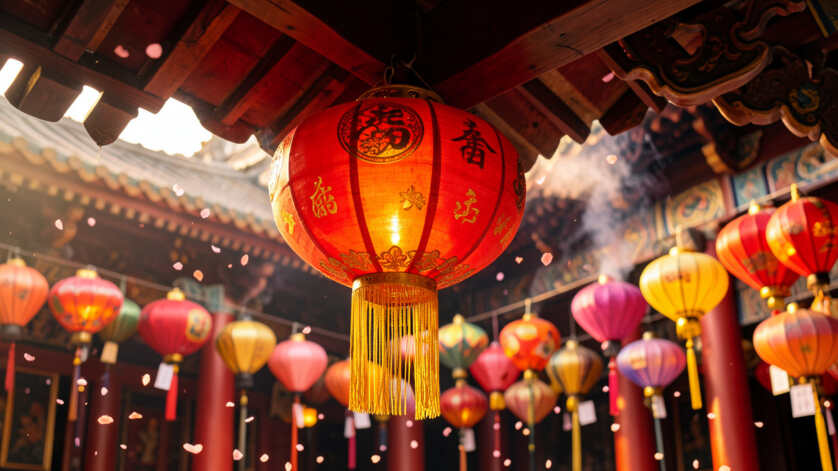
Chinese lanterns come in various types, each with specific symbolic meanings tied to color, shape, and design. The most prevalent is the red lantern, which represents good fortune, joy, and protection against negative energy. Round lanterns symbolize completeness and family unity, often seen during reunions like the Mid-Autumn Festival.
Other types include palace lanterns, which were historically used in royal courts and signify elegance and status, and lotus lanterns, which are associated with Buddhism and purity. According to a study by the Asian Arts Institute, over 50 distinct regional styles exist in China alone, each reflecting local customs and myths.
- Red Lanterns: Used in weddings and New Year to attract luck and prosperity.
- Yellow Lanterns: Symbolize royalty and were once reserved for imperial family.
- Green Lanterns: Represent health, growth, and harmony with nature.
- White Lanterns: Often used in memorials to honor the deceased.
- Decorated Lanterns: Feature paintings or calligraphy with messages of wisdom or blessings.
The symbolism extends to events; for example, during the Lantern Festival, participants release sky lanterns to send prayers to the heavens, a practice rooted in Taoist beliefs of connecting with the divine.
| Lantern Type | Key Symbolism | Common Use |
|---|---|---|
| Round Red Lantern | Prosperity, reunion, luck | Chinese New Year, family gatherings |
| Sky Lantern | Wishes, prayers, letting go | Festivals, memorials |
| Palace Lantern | Elegance, status, tradition | Formal events, historical reenactments |
| Lotus Lantern | Purity, enlightenment, spirituality | Religious ceremonies, Buddhist temples |
This table provides a quick reference for understanding the main types of Chinese lanterns and their uses, helping you appreciate the depth of their cultural context.
Who Uses Chinese Lanterns and Why?
Chinese lanterns are used by a wide range of people, from families celebrating festivals to artists creating installations. In China, communities gather to decorate streets with lanterns during the Lantern Festival, fostering social cohesion and shared identity. According to the Ministry of Culture and Tourism, over 100 million people participate in lantern-related events annually in China.
Beyond China, Chinese lanterns are popular in diaspora communities worldwide, such as in Chinatowns in San Francisco or London, where they serve as cultural ambassadors. They are also used in religious contexts, like in Taoist and Buddhist temples, to symbolize illumination and spiritual guidance.
- Individuals and Families: Use lanterns at home for decoration and to teach children about heritage.
- Festival Organizers: Create large displays to attract tourists and celebrate cultural events.
- Artists and Designers: Incorporate lanterns into modern art and fashion for aesthetic appeal.
- Businesses: Use red lanterns in storefronts to attract customers and signify prosperity.
- Global Events: Include lanterns in international festivals to promote cross-cultural understanding.
The why behind their use is multifaceted. For many, it’s about preserving traditions and passing down stories. For others, it’s the visual beauty that enhances spaces.
The Huaguo Lantern Festival in Jiangsu Province, for example, combines ancient techniques with digital projections to engage younger generations.
Important: In some regions, white lanterns are used in funerals, so it’s essential to understand local customs to avoid cultural insensitivity when using lanterns decoratively.
Chinese Lanterns in Modern Times
In modern times, Chinese lanterns have evolved with technology and globalization. LED lights have replaced candles, making them safer and more energy-efficient, while materials like synthetic fabrics offer durability for outdoor use. Festivals now feature massive interactive displays, such as those in Shanghai’s Yu Garden, which attract millions of visitors each year.
The influence of Chinese lanterns extends to global pop culture, appearing in movies, video games, and home decor trends. They are often associated with themes of celebration and mystery, appealing to diverse audiences. A report by the World Tourism Organization notes that lantern festivals boost local economies by up to 15% in tourist regions.
- Technological Integration: Smart lanterns with app-controlled lighting and sound effects are becoming popular.
- Sustainability Focus: Eco-friendly lanterns made from recycled materials are promoted for environmental awareness.
- Cultural Diplomacy: Lantern exhibitions are used in international relations to share Chinese heritage.
- Artistic Innovation: Contemporary artists blend traditional designs with modern themes, such as environmental conservation.
However, the core meanings remain intact. Even in digital forms, like virtual lantern releases online, the symbolism of hope and unity persists. The key is balancing innovation with respect for traditional craftsmanship, ensuring that the cultural essence is not lost.
Frequently Asked Questions
What is the primary meaning of a Chinese lantern?
The primary meaning of a Chinese lantern is to symbolize prosperity, good fortune, and family reunion, especially during festivals. Red lanterns, in particular, are believed to attract luck and ward off evil spirits, making them a central element in celebrations like Chinese New Year.
How are Chinese lanterns used during the Lantern Festival?
During the Lantern Festival, people hang lanterns in streets and homes, solve riddles written on them, and release sky lanterns to carry wishes upward. This event promotes community interaction and marks the end of New Year festivities, with activities that engage all ages.
Are Chinese lanterns only used in China?
No, Chinese lanterns are used worldwide, especially in areas with significant Chinese populations, such as Southeast Asia, North America, and Europe. They have been adopted in various cultural events and decorative contexts, symbolizing cross-cultural appreciation and global traditions.
What materials are traditional Chinese lanterns made from?
Traditional Chinese lanterns are made from bamboo or wooden frames covered with rice paper or silk, using natural dyes for colors. Modern versions may use plastic, fabric, or synthetic materials, but the classic bamboo and paper combination remains popular for its authenticity and lightweight properties.
Can Chinese lanterns be used for everyday decoration?
Yes, Chinese lanterns can be used for everyday decoration, especially in homes, restaurants, or businesses to add a festive touch. However, it’s important to consider cultural context, as certain colors and designs may have specific meanings, such as white for mourning in some regions.
Final Thoughts
Chinese lanterns embody a rich tapestry of history, symbolism, and artistry that continues to captivate people globally. From their practical origins to their role in modern festivals, they represent enduring values of community and hope. By appreciating their meaning, you connect with a cultural tradition that lights up both physical and spiritual spaces.