Why Whole Chicken Is Served at Important Meals
Serving a whole chicken is a tradition found at important meals and gatherings across countless cultures. This practice goes far beyond simple nourishment, carrying deep symbolic meaning and practical benefits. Understanding its significance reveals a lot about hospitality, family, and celebration.
Simply put, a whole chicken symbolizes unity, abundance, and honor. It represents the host’s ability to provide a complete, generous feast, serving as a centerpiece that feeds everyone from the same source and signals a special occasion.
Key Takeaways
- A whole chicken is a universal symbol of prosperity and completeness in hospitality.
- It represents the host’s generosity and effort, as preparing it requires time and care.
- The communal act of carving and sharing from one bird strengthens bonds among diners.
- Practical benefits include cost-effectiveness and the ability to serve a variety of dark and white meat.
- Cultural and religious traditions often prescribe the serving of a whole bird for ceremonies and festivals.
What Does a Whole Chicken Symbolize at a Gathering?
The symbolism of a whole chicken at a meal is layered and profound. It is one of the most accessible yet powerful symbols of a successful feast. Its presence on the table speaks directly to the heart of what it means to host.
At its core, a whole bird represents completeness and unity. Unlike pre-cut pieces, it is presented intact, signifying that nothing is missing. This wholeness often translates to wishes for a complete and happy life for the guests or for the family unit gathering around the table.
- Abundance: A plump, golden chicken suggests a bountiful harvest and prosperity. It signals that the host has provided generously.
- Respect: Serving a whole animal is considered a mark of high honor for important guests, such as in-laws, community leaders, or honored elders.
- Fertility and Life: In many traditions, poultry symbolizes life and continuity, making it appropriate for weddings, baptisms, or New Year celebrations.
- Unity: The act of everyone partaking from the same bird is a powerful metaphor for community and family unity.
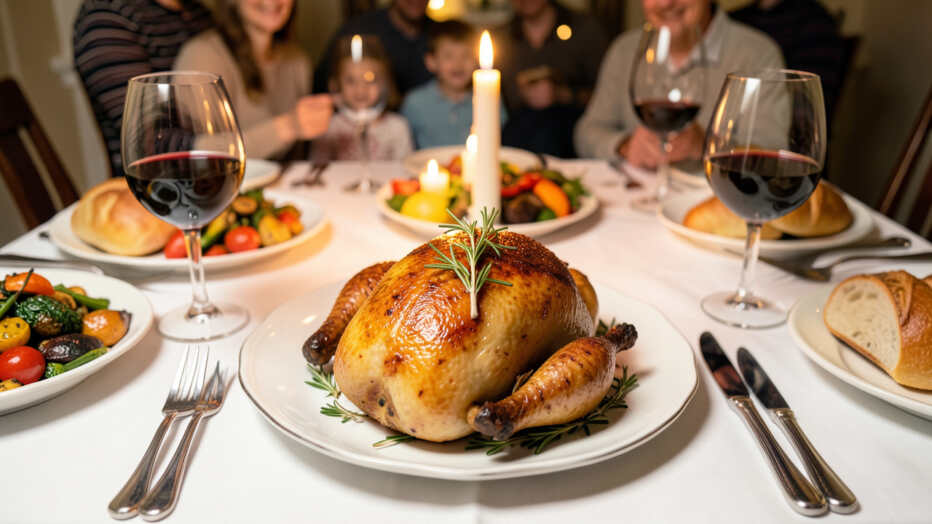
This symbolism is not just abstract; it shapes the entire experience of the meal. The moment the whole roasted chicken is brought to the table often marks the peak of the gathering, drawing all eyes and signaling that the main celebration has begun.
How Does Serving a Whole Chicken Demonstrate Hospitality?
Genuine hospitality is about making guests feel valued and cared for. Serving a whole chicken is a direct and effective way to communicate this. The preparation involved tells your guests that you invested significant time and effort into their welcome.
Cooking a whole bird properly is a labor of love. It involves planning, seasoning, roasting, and resting – a process that cannot be rushed. When a host presents a perfectly cooked chicken, it says, “I prepared this special occasion for you.” This act of service is a cornerstone of warm hospitality.
| Aspect of Hospitality | How a Whole Chicken Fulfills It |
|---|---|
| Generosity | Provides a substantial centerpiece that feeds many, showcasing ample provision. |
| Thoughtfulness | The host considers the preferences of all guests by offering both white and dark meat. |
| Skill & Effort | Demonstrates the host’s culinary skill and willingness to undertake a complex dish for their guests. |
| Inclusion | The communal carving ritual invites everyone to share in the bounty, reinforcing a sense of belonging. |
This form of hospitality is recognized worldwide. From a Sunday family roast to a Thanksgiving centerpiece, the whole chicken is a universal token of welcome. It transforms a meal from mere eating into a shared, respectful experience.
What Cultural and Religious Traditions Feature a Whole Chicken?
The practice of serving a whole chicken is woven into the fabric of many cultural and religious rituals. It often marks transitions, commemorates events, and binds communities together through shared feasts.
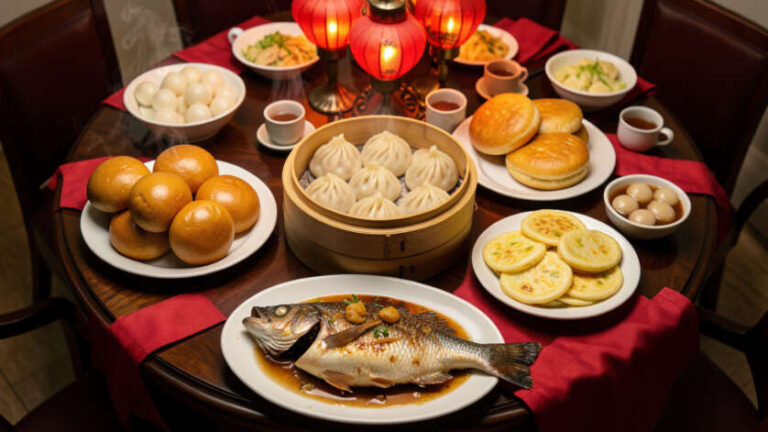
In Chinese culture, a whole steamed or roasted chicken is indispensable at banquets, especially for weddings and the Lunar New Year. It symbolizes prosperity, unity, and a good fortune that is whole and undivided. The bird is often presented with its head and feet intact to represent a complete beginning and end.
Warning: In some religious observances, such as during Jewish Passover or certain Christian fasting periods, specific rules about how poultry is prepared or consumed must be strictly followed. Always be mindful of dietary laws.
Similarly, in Jewish tradition, a roasted chicken often plays a role in Sabbath and holiday meals. For Rosh Hashanah, it may be served as a symbol of a year of bounty. In many Christian cultures, a roasted chicken or turkey is the centerpiece of Christmas dinner, representing the sacrifice and abundance of the season.
- Jewish Cuisine: Whole roasted chicken is a staple for Sabbath dinners and holiday feasts like Rosh Hashanah.
- Mediterranean & Middle Eastern: Dishes like Chicken Musakhan or whole roasted lamb/chicken are central to celebratory Eid or feast day meals.
- Caribbean & Latin American: A whole “pollo asado” is common for family gatherings and festivals like Nochebuena (Christmas Eve).
- South Asian: A whole tandoori chicken or a biryani served with a whole leg quarter is a sign of a festive wedding or feast.
These traditions persist because the whole bird acts as a tangible link to heritage and shared identity. Serving it connects the present celebration to a long line of ancestors who observed the same customs.
How Does the Practicality of a Whole Chicken Support a Feast?
Beyond deep symbolism, the whole chicken is a masterstroke of culinary practicality. It is an efficient and versatile choice for feeding a crowd, which is a key requirement for any important meal.
Economically, purchasing a whole bird is almost always more cost-effective per pound than buying pre-cut pieces. This allows the host to provide a substantial protein dish without exceeding the budget, making grand hospitality more accessible. According to industry data, whole chickens are consistently priced lower per ounce than boneless, skinless breasts or thighs.
| Practical Benefit | Advantage for a Feast |
|---|---|
| Cost Efficiency | Maximizes the budget, allowing more funds for sides, desserts, and drinks. |
| Versatility | Offers both white and dark meat to cater to different preferences in one dish. |
| Flavor | Roasting on the bone with skin yields deeper, more succulent flavor than quick-cooking parts. |
| Variety of Dishes | The carcass can be used for stock, ensuring no part of the expensive ingredient is wasted. |
| Visual Appeal | A beautifully roasted whole bird is an impressive and appetizing centerpiece that requires no extra garnish. |
The process of carving it tableside also adds a touch of ceremony and drama. It shows the host’s skill and turns the serving of the meal into an event in itself, further elevating the sense of occasion.
Why Is the Communal Aspect of a Whole Chicken Important?
The act of sharing a whole chicken is a powerful social ritual. In an age of individual portions, the communal bird forces a moment of connection and sharing. This is especially significant at events meant to strengthen family or community bonds.
When a host carves the chicken, they take on the role of provider and caregiver. The act of distributing pieces to each guest is a direct expression of care. The guest receiving their preferred part – perhaps a drumstick for a child or a thigh for someone who loves dark meat – feels personally considered and valued.
Tip: Learn to carve a chicken neatly before the event. A graceful carving process enhances the ritual, while a clumsy one can detract from it. Practice makes perfect.
This shared experience fosters conversation and interaction. Diners pass plates, comment on the food, and engage with one another as they wait for their portion. The chicken becomes a catalyst for the meal’s social atmosphere.
It breaks the ice and creates a focal point for the gathering’s energy.
Furthermore, this tradition teaches younger generations about sharing and community. Watching adults prepare and serve a whole bird models generosity and togetherness. It’s a lesson in hospitality passed down through observation and participation.
What Are the Steps to Perfectly Prepare a Whole Chicken for a Crowd?
Preparing a whole chicken for an important meal requires attention to detail. Following a reliable method ensures it is safe, delicious, and visually stunning. Here is a straightforward, step-by-step guide.
- Thaw and Dry: Ensure the chicken is fully thawed in the refrigerator. Remove giblets, and pat the skin completely dry with paper towels. Dry skin is essential for crispiness.
- Season Generously: Rub salt and pepper both under the skin and inside the cavity. Add herbs, garlic, and lemon for flavor. This can be done hours ahead for better penetration.
- Truss for Even Cooking: Tie the legs together with kitchen twine. Tuck the wing tips under the body. This compact shape helps the chicken cook evenly and presents beautifully.
- Roast at High Heat: Start in a preheated oven at 425°F (220°C) for 15-20 minutes to jumpstart browning. Then reduce to 375°F (190°C) until done.
- Check Temperature: Use a meat thermometer in the thickest part of the thigh. It must reach 165°F (74°C) for safety. Do not rely solely on time.
- Rest Before Carving: Let the chicken rest for 15-20 minutes after removing it from the oven. This allows juices to redistribute, ensuring moist meat.
- Carve with Confidence: Present it whole first, then carve in the kitchen or at the table if you are skilled. Use a sharp knife for clean cuts.
This process respects both the ingredient and the guests. Taking these steps guarantees a centerpiece that is as delicious as it is meaningful. It turns the whole roasted chicken from food into a gift of effort and care.
How Does the Ritual of Carving a Whole Chicken Add to the Occasion?
The ritual of carving transforms the meal into a memorable event. It is a performance of skill and generosity that heightens anticipation and adds a layer of formality to the gathering. This act is the climax of the host’s efforts.
When the whole roasted chicken is brought to the table, it creates a collective moment of appreciation. Guests pause, admire the golden skin, and express compliments. This pause elevates the meal beyond routine dining.
It signals that something special has been prepared.
The carving itself is a focused, almost ceremonial act. The host takes center stage, demonstrating competence and care. Each slice reveals the juicy interior, and the aroma fills the air, engaging all the senses.
This sensory experience makes the feast more vivid and memorable.
Important: The carving knife should be very sharp for clean cuts that don’t tear the meat. A carving fork helps stabilize the bird. Having these tools ready shows preparedness.
Distributing the carved pieces is the final step in this ritual. It is a personalized act of service. By handing someone their chosen piece, the host completes a circle of giving.
This direct exchange strengthens the bond between host and guest, making the hospitality feel deeply personal.
What Are Common Variations for Serving a Whole Chicken?
While roasting is the most classic method, the whole chicken can be prepared in many ways to suit different culinary traditions and flavor profiles. Each method brings its own character to the important meal.
- Roasting: The quintessential method for Western-style feasts. Produces crispy skin and moist meat, perfect for Thanksgiving or Sunday dinners.
- Steaming: Common in Chinese cuisine, often with ginger and scallions. Results in incredibly tender, delicate meat and a clean flavor.
- Frying: A whole fried chicken is a centerpiece for Southern American celebrations, offering a dramatic, crunchy exterior.
- Braising: Cooked slowly in liquid with vegetables and herbs. Creates fall-off-the-bone tenderness and a rich, flavorful sauce.
- Tandoori or Clay Oven: Marinated in yogurt and spices, then roasted at high heat in a tandoor. A vibrant, smoky centerpiece for Indian celebrations.
The choice of preparation often tells a story about cultural identity and family heritage. A family might have a signature way of making their whole chicken that is passed down through generations. This variation ensures the tradition stays fresh and personally meaningful while retaining its core symbolic power.
Frequently Asked Questions
Why is chicken often the bird of choice over turkey or duck for these meals?
Chicken is more widely available, affordable, and familiar to most palates than turkey or duck. It cooks faster and is less likely to dry out, making it a reliable centerpiece. Its mild flavor also pairs well with a vast array of seasonings and side dishes from different cultures.
Does the way a whole chicken is presented change its meaning?
Yes, presentation significantly impacts the message. A simple, herb-roasted chicken feels homey and heartfelt. An elaborately trussed and glazed bird for a formal banquet signals high honor and meticulous effort.
The setting and presentation style amplify the symbolic meaning.
Can a whole chicken serve more than just as a main course?
Absolutely. The leftovers are a bonus. Carcass can be used to make rich stock for soups.
Leftover meat can be used in sandwiches, salads, or pies the next day. This extends the host’s generosity and ensures nothing goes to waste.
Is serving a whole chicken still common in modern, casual gatherings?
While less common for casual weeknight meals, a whole chicken still appears at modern family dinners and potlucks. Its cost-effectiveness and “feel-good” presentation make it a popular choice when people want to cook something special without excessive fuss.
How far in advance can you prepare a whole chicken for a dinner party?
You can season and truss the chicken up to 24 hours ahead, keeping it covered in the refrigerator. This not only saves time day-of but also allows the salt to penetrate, resulting in more flavorful meat. However, roasting is best done close to serving time for optimal crispiness.
Final Thoughts
The tradition of serving a whole chicken at important meals endures because it masterfully blends practicality with profound meaning. It is a universal symbol of generosity, unity, and honor that requires genuine effort from the host. By understanding and participating in this ritual, we connect with deep-seated human values of community and celebration.
Whether roasted, steamed, or fried, the whole bird remains a powerful and delicious centerpiece for any meaningful gathering.