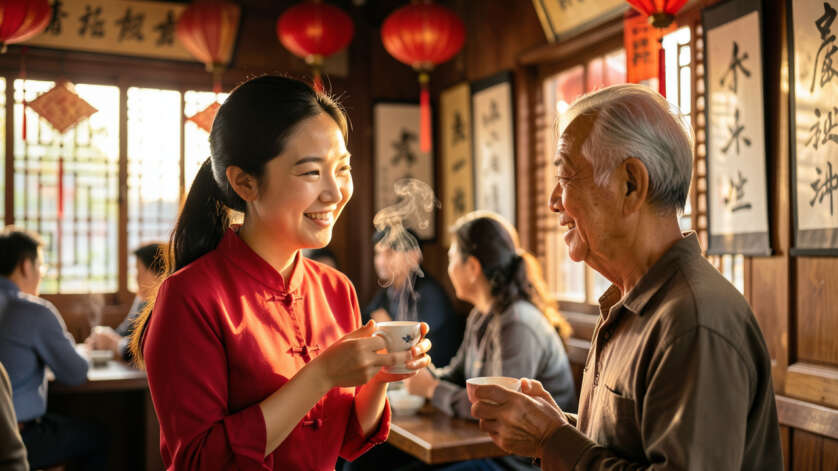
Essential Mandarin Greetings for Daily Conversations
Learning basic Mandarin greetings is the first and most important step for anyone wanting to connect with Chinese culture and people. These simple phrases build immediate goodwill and show respect, whether you’re traveling, working with Chinese colleagues, or just curious. This guide covers the essential greetings you need for confident, everyday interactions.
Simply put, mastering basic Mandarin greetings allows you to make a positive first impression and navigate daily social situations with ease. The key is learning a handful of versatile phrases for hello, goodbye, and thank you, along with their correct pronunciation and the right context to use them.
Key Takeaways
- Mandarin greetings are fundamental for showing politeness and building rapport in Chinese-speaking environments.
- The most universal greeting is “Nǐ hǎo” (你好), but context often calls for more specific phrases like “Nǐ hǎo ma?” or “Zǎo shang hǎo”.
- Pronunciation and tone are crucial. Getting the tone wrong can change the meaning of a greeting entirely.
- Cultural awareness, like using a slight nod or smile, enhances the effectiveness of your verbal greeting.
- Consistent practice with the core phrases listed below will make them second nature for daily use.
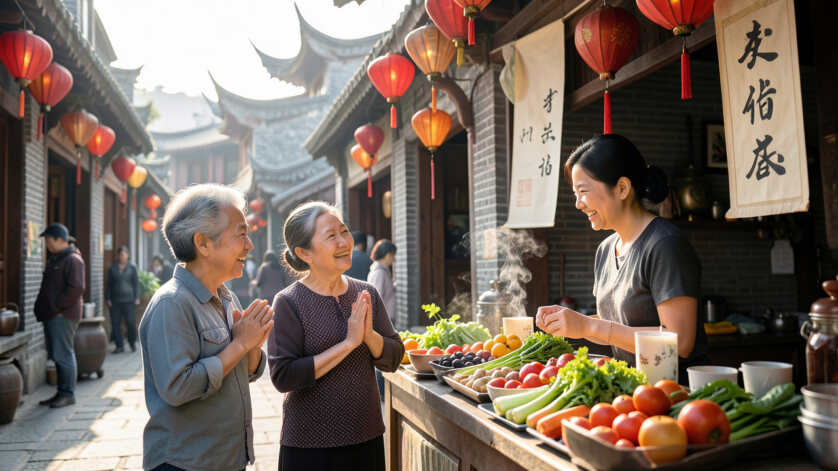
What Are Basic Mandarin Greetings and Why Do They Matter?
Mandarin greetings are the foundational social formulas used to acknowledge someone’s presence, open a conversation, or show respect. They are more than just words; they are a cultural handshake. Using them correctly signals that you’ve made an effort to understand local customs, which is always appreciated.
In China and other Mandarin-speaking regions, proper greetings establish a harmonious atmosphere. They are the gateway to further communication, whether for business, friendship, or simple transactions. Skipping a greeting or using the wrong one can be perceived as rude, while a well-delivered “Nǐ hǎo” can instantly put someone at ease.
| Greeting Type | Mandarin Phrase | Literal Meaning | Primary Use Case |
|---|---|---|---|
| General Hello | Nǐ hǎo (你好) | You good | Universal, neutral greeting |
| How are you? | Nǐ hǎo ma? (你好吗?) | You good? | Checking in on someone you know |
| Good Morning | Zǎo shang hǎo (早上好) | Morning good | Before noon, warm and polite |
| Goodbye | Zàijiàn (再见) | Again see | Formal or final goodbye |
| Casual Bye | Bàibài (拜拜) | Bye-bye (loanword) | Informal, friendly farewell |
| Thank You | Xièxiè (谢谢) | Thank | General gratitude |
This table provides a quick reference. The sections below will break down each phrase with detailed pronunciation guides and cultural context.
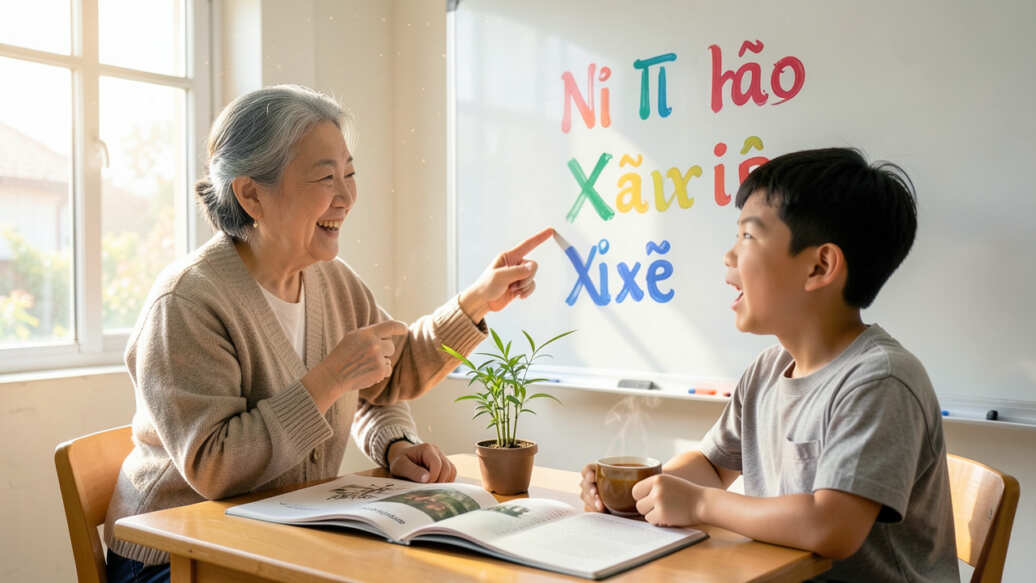
How to Pronounce Key Mandarin Greetings Correctly
Pronunciation is where many learners stumble. Mandarin is a tonal language, meaning the pitch contour of a syllable changes its meaning. A “ma” with a flat tone is “mother,” while with a falling tone, it’s “horse.” For greetings, getting the tone right is essential for being understood.
Don’t be intimidated. Focus on the core syllables and the main tone for each phrase. Listen to native speakers, mimic the sounds, and don’t worry about perfection at first.
Consistency and a willingness to try are what matter most.
- Nǐ hǎo (你好) – Hello: The “nǐ” is a third tone (falling then rising), and “hǎo” is also a third tone. When two third tones are together, the first one changes to a second tone (rising). So, it sounds like “Ní hǎo.” Practice the smooth, rising then falling-rising flow.
- Zǎo shang hǎo (早上好) – Good Morning: “Zǎo” is a third tone, “shang” is a neutral/light tone, and “hǎo” is third. The emphasis is on “Zǎo.” It flows as “Dzow shang how.”
- Zàijiàn (再见) – Goodbye: “Zài” is a fourth tone (sharp, falling), and “jiàn” is also fourth tone. This gives it a firm, decisive sound. It’s like saying “Dzai jien” with a downward punch.
- Xièxiè (谢谢) – Thank You: Both “xiè” syllables are fourth tones. The first is stressed. It sounds like “Shyeh shyeh.” Keep it short and crisp.
- Nǐ hǎo ma? (你好吗?) – How are you?: This adds the neutral-tone question particle “ma” at the end. The “ma” is light and quick, almost like a soft murmur. The overall intonation rises slightly at the end, as with most questions.
Tip: Use a free online dictionary or app with audio to hear native pronunciations. Record yourself and compare. Focusing on one phrase per day is more effective than cramming ten at once.

What Are the Most Versatile Mandarin Greetings for Any Situation?
You don’t need a huge vocabulary to be polite. A few key phrases can cover 90% of daily social interactions. Memorizing these core greetings gives you a solid foundation for any encounter, from buying a coffee to meeting a new neighbor.
The versatility comes from understanding the slight nuances in context. While “Nǐ hǎo” works almost everywhere, knowing when to add a time-specific greeting or a question shows deeper cultural awareness and warmth.
- Nǐ hǎo (你好): The universal standby. Use it with shopkeepers, strangers, officials, or anyone you don’t know well. It’s safe and always appropriate.
- Nǐ hǎo ma? (你好吗?): Use this with friends, colleagues, or acquaintances you see regularly. It shows you care about their well-being. A common response is “Hěn hǎo” (很好 – very good).
- Zǎo shang hǎo (早上好): Perfect for mornings before noon. It feels warmer and more personal than a plain “Nǐ hǎo” during that time.
- Nǐ chī le ma? (你吃了吗?): Literally “Have you eaten?” This is a very common, informal greeting, especially around mealtimes. It’s a cultural way of showing care. The expected answer is often just a smile or “Chī le” (吃了 – eaten), not a detailed menu report.
- Gōngzuò máng ma? (工作忙吗?): “Is work busy?” This is a common conversation starter among colleagues or acquaintances, showing interest in their daily life.
Warning: Avoid overly familiar greetings like “Nǐ hǎo a” or slangy terms until you are very comfortable with the language and your relationship with the person. Sticking to the basics is always respectful.
How Should You Use Mandarin Greetings in Different Contexts?
Choosing the right greeting depends on the setting, your relationship with the person, and the time of day. A formal business meeting requires a different approach than a casual chat at a market stall. Being contextually aware makes your interactions smoother and more genuine.
Body language is also part of the greeting. A slight nod, a smile, and appropriate eye contact complement your words and convey friendliness and respect. In more formal settings, a handshake may be appropriate among men, while a nod or slight bow is more common for women.
| Context | Recommended Greeting(s) | Body Language Notes |
|---|---|---|
| Meeting a new person | Nǐ hǎo + handshake (if appropriate) | Friendly smile, moderate eye contact |
| Morning with a colleague | Zǎo shang hǎo | Warm smile, brief nod |
| Casual encounter with a friend | Nǐ chī le ma? or Nǐ hǎo ma? | Relaxed, genuine smile |
| Entering a small shop | Nǐ hǎo (or just a smile) | A simple nod is sufficient |
| Ending a phone call | Zàijiàn | Tone of voice should be polite and clear |
Notice how the formality of the greeting matches the setting. In the market, a simple “Nǐ hǎo” with a smile is perfect. With a work colleague you see daily, a time-specific greeting feels more natural.
What Are Common Mistakes to Avoid When Greeting in Mandarin?
Even with good intentions, learners often make small errors that can affect communication. Being aware of these common pitfalls helps you avoid awkward moments and present yourself more confidently. Most mistakes are easily fixable with a little attention.
The biggest issues usually revolve around tone, formality, and overcomplication. Remember, the goal is clear and respectful communication, not poetic perfection. Your effort to use the correct greeting is already highly valued.
- Mixing Up Tones: The classic error. Saying “Māo” (猫 – cat) instead of “Mǎo” when trying to say a name is a common example. For greetings, consistently practicing the correct tone for “Nǐ” and “Hǎo” is the first priority.
- Being Too Formal or Too Casual: Using a slang greeting with a business partner, or a very formal one with a close friend, can feel odd. Stick to neutral “Nǐ hǎo” until you gauge the relationship.
- Over-Greeting: Saying “Nǐ hǎo” every single time you pass someone in the office hallway can become repetitive. After the first greeting of the day, a smile and nod are often sufficient.
- Ignoring the Response: When someone asks “Nǐ hǎo ma?”, don’t just say “Nǐ hǎo” back. A simple “Hěn hǎo” (很好) or “Hái hǎo” (还好 – so-so) is the expected reply.
- Forgetting “Xièxiè”: “Thank you” is a greeting of sorts in social transactions. Always use “Xièxiè” when someone helps you. Forgetting it is a more significant cultural misstep than mispronouncing a hello.
- Worrying Too Much About Perfection: The biggest mistake is not trying at all because you fear making an error. A slightly mispronounced “Nǐ hǎo” delivered with a smile is infinitely better than no greeting.

How Does Cultural Understanding Enhance Your Mandarin Greetings?
Language and culture are inseparable. Understanding the “why” behind Mandarin greetings gives them deeper meaning and ensures you use them appropriately. Chinese culture places high value on harmony, respect, and social hierarchy, and this is reflected in daily interactions.
Greetings are a tool for maintaining social harmony (“hé” 和). They acknowledge the other person’s presence and status. This is why using the correct greeting with elders, authority figures, or in formal settings is particularly important.
It’s a sign of acknowledging the social order.
- Respect for Age and Hierarchy: When greeting someone older or of higher status (like a boss or professor), “Nǐ hǎo” is sufficient, but your tone should be more measured and respectful. You might add “Nín hǎo” (您好), which uses the polite form of “you.”
- The Concept of “Face” (Miànzi 面子): Greetings help both parties “save face” by being polite and avoiding embarrassment. A cold or incorrect greeting can cause a loss of face, creating social discomfort.
- Indirect Communication: Greetings often serve as a buffer before getting to the point. Starting a business negotiation immediately with “Let’s discuss the price” is abrupt. Beginning with a greeting and small talk builds the necessary rapport first.
- Collectivism over Individualism:
Important: In some parts of China, especially with older generations, the traditional greeting is not “Nǐ hǎo” but rather “Nǐ chī le ma?” or simply acknowledging someone’s presence with a nod. “Nǐ hǎo” became the universal standard partly due to Western influence and its use in textbooks.
What Are Essential Mandarin Phrases That Pair With Greetings?
A greeting often opens the door to a short exchange. Having a few follow-up phrases ready allows the conversation to continue naturally and shows you’re engaged. These phrases help you move from a simple hello to a more meaningful interaction.
You don’t need to be fluent. Just knowing how to introduce yourself, ask a simple question, and say goodbye provides a complete communication loop. These building blocks are crucial for boosting your confidence in real-world situations.
- Self-Introduction: “Wǒ jiào ” (我叫. – My name is.). This is the natural next step after greetings in a first meeting.
- Basic Question: “Zhège duōshǎo qián?” (这个多少钱? – How much is this?). Essential for shopping, it often follows a greeting with a vendor.
- Expressing Understanding: “Dǒng le” (懂了 – I understand). Useful after someone gives you directions or an explanation.
- Polite Apology: “Duìbuqǐ” (对不起 – Sorry). A fundamental courtesy for minor bumps or mistakes.
- Basic Plea: “Qǐng” (请 – Please). Adding this to requests (e.g., “Qǐng wèn” – Please may I ask) dramatically softens your tone.
- Final Farewell Phrase: “Míngtiān jiàn” (明天见 – See you tomorrow). This specific goodbye reinforces a future connection.
Practice chaining these with greetings. For example: “Zǎo shang hǎo. Wǒ jiào Lì.
Nǐ hǎo ma?” (Good morning. My name is Li. How are you?).
Frequently Asked Questions
Is “Nǐ hǎo” really used all the time in China?
While “Nǐ hǎo” (你好) is the most universally taught and recognized greeting, in daily life, Chinese people often use more contextual greetings. Among friends, “Nǐ chī le ma?” is common. In formal settings or with strangers, “Nǐ hǎo” remains perfectly correct and safe.
Its frequency has increased with globalization.
How do I respond when someone says “Nǐ hǎo ma?”
The most common response is “Hěn hǎo” (很好), which means “very good.” You can also say “Hái hǎo” (还好) for “so-so” or “bù cuò” (不错) for “not bad.” It’s polite to return the question: “Nǐ ne?” (你呢? – And you?), which shows reciprocal interest.
What’s the difference between “Zàijiàn” and “Bàibài” for goodbye?
“Zàijiàn” (再见) is the standard, polite term for goodbye and implies a sense of “see you again.” It’s suitable for most situations. “Bàibài” (拜拜) is a casual loanword from English “bye-bye.” Use it with close friends or in very informal settings. With elders or in professional contexts, “Zàijiàn” is always the safer choice.
Do I need to use titles when greeting someone in Mandarin?
Yes, using a title is a sign of respect, especially for people older or of higher status. Combine the title with “Nǐ hǎo.” For example: “Lǎoshī nǐ hǎo” (老师你好 – Hello, Teacher) or “Wáng zǒng nǐ hǎo” (王总你好 – Hello, Director Wang). It’s important to know the correct title for the person’s role or position.
Are Mandarin greetings the same in Taiwan and Singapore?
The core phrases like “Nǐ hǎo” and “Xièxiè” are the same, as they speak Mandarin. However, there can be differences in accent, intonation, and the frequency of certain colloquial greetings. For instance, in Taiwan, the Hokkien influence means you might also hear “Li-hó” (from Hokkien “Lí hó”) used alongside “Nǐ hǎo.”
Final Thoughts
Mastering basic Mandarin greetings is about more than vocabulary; it’s about showing respect and building bridges. Start with “Nǐ hǎo,” “Xièxiè,” and “Zàijiàn,” and focus on getting the tone right. These phrases, delivered with a smile, will open doors and enrich your interactions in any Mandarin-speaking context.
Remember, every attempt to speak the language is appreciated and a sign of genuine cultural curiosity.